

Lightbox Signs – Single-Sided and Double-Sided LED Lightboxes
Lightbox signs are internally illuminated boxes displaying logos, lettering and advertising graphics. Also known as illuminated signboards or LED advertising panels, their main feature is a translucent face allowing the content to be lit from inside the structure.
Metaling DOO Belgrade designs, manufactures and installs lightbox signs in different dimensions, shapes and lighting configurations. Housings use suitable aluminium profiles and other structural components, with acrylic (Plexiglas) or specialised translucent sign fabric for the illuminated face.
Depending on purpose, lightboxes can be single-sided or double-sided, with constant or specially designed dynamic LED lighting. They identify commercial buildings, shops, pharmacies, hotels, restaurants, shopping centres and other business premises.
This technology offers a large illuminated surface, custom graphics and various installation methods on walls, facades or separate structures. Every sign is made to the building's dimensions, design and technical requirements.


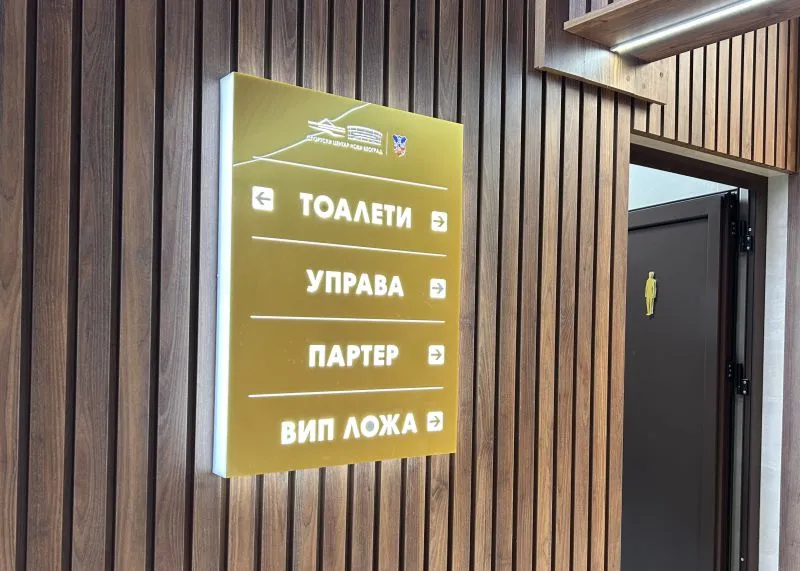
Lightbox Signs – Types and Construction
Lightboxes are housings with one or more translucent surfaces. Construction is adapted to dimensions, shape, face material, lighting and installation conditions.
Metaling manufactures different lightbox designs, from simple facade boards to double-sided signs and specially shaped illuminated elements.
Single-Sided Lightbox Signs
Single-sided lightboxes have one main illuminated surface, while the back and sides are generally opaque. They are primarily intended for walls, facades and other surfaces viewed from the front.
The housing contains the structure, translucent face material, LED lighting and fixings.
Single-sided lightboxes identify shops, restaurants, business premises and other buildings where a name or logo needs to be clearly displayed.
Double-Sided Lightbox Signs
Double-sided lightboxes have two illuminated faces, displaying content on opposite sides of the housing.
They can be mounted on suitable support structures or in other positions specified by the technical design.
When a double-sided sign is installed perpendicular to the facade on a dedicated cantilever structure, it is a projecting sign. Brackets, fixings and structural stability then require specific design.
View Metaling's double-sided projecting signs.
Specially Shaped Lightboxes
Alongside rectangular and square formats, lightboxes can have rounded corners, circular shapes or custom outlines.
Manufacturing options depend on materials, dimensions, shape complexity and connections between structural elements.
Special shapes can suit logos, symbols and signs whose design does not require a conventional rectangle.
Materials for Lightbox Signs
Suitable structural and translucent materials are used to manufacture illuminated sign boxes. Their selection affects appearance, dimensions, weight, lighting and maintenance.
Aluminium Structures and Housings
Many lightboxes are based on aluminium profiles and components forming the returns, support structure and illuminated face frame.
Aluminium allows various dimensions, with profiles adapted to the required strength and fixing methods.
Side surfaces can be finished and coloured to project requirements, including RAL shades where a suitable protective coating system is used.
Housing depth and shape depend on illuminated face dimensions, face type and the space required for LEDs and electrical components.
Acrylic-Faced Lightbox Signs
Acrylic lightbox signs use acrylic glass, or Plexiglas, as the translucent face.
Suitable white or coloured acrylic sheets can be used, with graphics produced using appropriate vinyl, printing or other decorative technologies.
Opal white acrylic diffuses light from inside the housing to create an illuminated face with lettering or graphics.
The acrylic sheet's dimensions, thickness and fixing methods depend on construction and conditions of use.
Lightboxes with Translucent Fabric Faces
Large lightboxes can use specialised tensioned translucent fabric for the face.
This technology creates large illuminated sign areas using flexible material on a suitable tensioning system instead of rigid acrylic sheet.
Metaling's gallery includes signs with 3M translucent fabric as examples of this construction type.
Fabric, compatible graphics processing and LED lighting are selected according to material specifications and project requirements.
Structural stability, correct tensioning and appropriate light distribution are particularly important for large formats.
LED Lighting for Lightbox Signs
Lightbox LED lighting uses suitable modules or other purpose-selected lighting elements inside the housing.
Their function is to illuminate the face and make the content legible in daytime and night-time conditions.
LED layout is determined by housing dimensions, sign depth, face light transmission and the selected lighting's characteristics.
Uniform Illumination of the Sign Face
LED design should provide the most uniform possible light distribution across the face.
Unsuitable module layouts can produce prominent bright spots, dark zones or uneven graphics.
The number and arrangement of modules are therefore coordinated with housing depth and the face's optical characteristics.
Selecting LED Modules and Power Supplies
Lightboxes use LED systems with suitable electrical and lighting characteristics.
Component selection considers required brightness, electricity consumption, lighting layout, operating conditions and maintenance.
Power supplies and electrical protection are selected according to the LED modules and conditions of use.
Outdoor lightboxes require components and electrical installations suited to weather exposure.
Constant and Dynamic LED Lighting
Standard lightboxes usually have constant lighting for a continuous display of the lettering.
Depending on design and requirements, controlled LED lighting can provide brightness changes or particular dynamic effects.
These functions require suitable LED components and controls, with feasibility defined for the specific sign.
Pharmacy Lightbox Signs – Illuminated Pharmacy Crosses
An illuminated pharmacy cross is a specially shaped sign that can use lightbox construction.
Instead of a rectangular box, the housing follows a cross outline with suitable translucent faces and internal lighting.
Pharmacy crosses can have constant illumination or specifically defined dynamic effects according to project requirements.
Dimensions, installation, light colour and construction are adapted to the position on the building and technical installation requirements.
The gallery shows illuminated signs and pharmacy crosses completed by Metaling.
Lightbox Dimensions and Technical Considerations
Lightboxes are made in different dimensions according to face material, shape, required illuminated area and installation method.
Smaller acrylic-faced boxes are designed around a rigid face. Large fabric-faced signs use appropriate tensioning systems and support structures.
Technical feasibility depends on several factors:
- sign face height and width,
- translucent material type and thickness,
- housing depth and available LED space,
- sign structure shape,
- installation location and anticipated loads,
- transport and installation options,
- component access for maintenance.
Lightbox Depth
Depth is determined by construction, lighting type, translucent face characteristics and the required arrangement of electrical components.
Some designs allow a shallower box, while larger signs or different lighting requirements can need greater depth.
Where a particularly slim illuminated sign is required, LED edge-lit acrylic panel technology is considered.
View edge-lit signs and slim illuminated panels.
Where Are Lightbox Signs Used?
Lightboxes identify various business and commercial premises, with construction selected according to location and expected visibility.
Illuminated Facade Signboards
Single-sided lightboxes often identify entrances to shops, commercial buildings, restaurants and other premises.
The sign can be installed on a suitable facade surface, with construction and fixings selected for the building's characteristics.
Lightbox Signs for Shops and Boutiques
Retail lightboxes display names, logos and other graphics on an illuminated surface.
Shape, housing colour and face graphics can match the brand's visual identity.
Illuminated Advertising Panels for Shopping Centres
Shopping centres use lightboxes to identify shops, highlight brands and display information or advertising.
Depending on location and purpose, they can be mounted on walls, dedicated brackets or other suitable structures.
Interior Lightbox Signs
Lightboxes are also used indoors to illuminate logos, advertising graphics or information surfaces.
Applications include receptions, hospitality venues, retail premises and other interior locations.
Wall and Facade Lightbox Installation
Installation depends on construction, dimensions, weight and substrate.
Single-sided signs can sit against prepared walls or facades, while other designs require appropriate support structures.
Preparing the Installation Location
Before installation, fixing positions, available space, electrical connection location and cable routing must be checked.
Some designs allow cables behind the housing for a tidy appearance without visible wiring.
This requires suitable substrate and electrical preparation before installation.
Installation on Demanding Facade Surfaces
Ventilated facades, external insulation systems, glass cladding and other specific substrates require suitable fixing methods.
Outdoor signs need particular consideration of wind loading, structural stability, electrical protection and safe site access.
Lightbox Maintenance and Servicing
Maintenance includes checking the housing, translucent face, LED lighting, electrical installations and fixings.
Depending on construction, service access can be through the front, back or another purpose-designed part of the housing.
For tensioned fabric signs, the material and fixing system require particular checks.
Maintenance frequency depends on environmental conditions, installed components and installation access.
What Determines the Price of Lightbox Signs?
Lightbox prices depend on dimensions, construction, translucent face type, LED lighting and installation conditions.
Simpler boxes in standard shapes can require fewer operations, while complex shapes, special structures and demanding installation affect the total price.
Factors Affecting Lightbox Prices
- Dimensions: overall area and shape affect material consumption and construction.
- Single-sided or double-sided: the number of illuminated faces affects construction and lighting selection.
- Face type: acrylic and translucent fabric use different manufacturing and fixing technologies.
- Graphics processing: vinyl, printing and other processes affect manufacturing costs.
- LED lighting: module quantities and characteristics, power supplies and any lighting controls affect price.
- Housing construction: depth, side finishes and special shapes can increase complexity.
- Installation: height, building access, support structures and equipment affect total costs.
Because manufacturing options vary, an accurate price is determined for each project.
For a quotation, supply vector lettering or logo artwork, approximate dimensions, a location photograph and whether the sign is indoors or outdoors.
Lightbox and Cut-Out Alubond Signs – The Difference
Conventional lightboxes and cut-out Alubond signs are both illuminated sign boxes, but differ in face construction and graphic illumination.
A conventional lightbox generally illuminates most of its translucent acrylic or fabric face. A cut-out Alubond sign has an opaque metal or composite face, with LED light passing through cut-out lettering and logos fitted with translucent elements.
Technology selection depends on design, dimensions, desired daytime and night-time appearance and the building's technical requirements.
Learn more about cut-out aluminium and Alubond signs.
Frequently Asked Questions About Lightbox Signs
What Is a Lightbox Sign?
A lightbox is an illuminated sign housing containing a suitable structure, internal lighting and one or more translucent faces with lettering or graphics.
What Is the Difference Between Single-Sided and Double-Sided Lightboxes?
A single-sided sign has one main illuminated face, while a double-sided sign displays content on two opposite faces. Construction and installation are adapted to each design.
Are Lightbox Faces Made from Acrylic or Fabric?
Both are possible. Acrylic forms rigid translucent faces, while specialised fabric is tensioned over a suitable structure, particularly for larger illuminated surfaces.
Can Lightbox Signs Be Installed Outdoors?
Yes, with suitable materials, construction, LED lighting and electrical components adapted to outdoor conditions.
Can Lightbox Brightness Be Adjusted?
Yes, if suitable LED modules, compatible power supplies and controls are specified. Functionality is defined for the particular project.
What Determines Lightbox Depth?
Depth depends on face dimensions, face type, construction, LED layout and the conditions required for uniform illumination.
Are Lightbox Signs Custom-Made?
Yes. Metaling designs and manufactures illuminated sign boxes to the dimensions, artwork and technical requirements of each building.
What Is Needed for a Quotation?
Supply the lettering or logo, required dimensions, building photograph, installation location and purpose. This allows face type, construction, lighting and installation to be considered.
Lightbox References and Completed Projects
The gallery shows lightboxes completed by Metaling, including illuminated facade boards, advertising panels, interior signs and pharmacy crosses.
Completed projects illustrate different structures, materials, shapes and lighting methods.
Learn More and Request a Quotation
- Double-sided illuminated projecting signs
- Cut-out aluminium and Alubond signs
- Edge-lit signs and slim illuminated panels
- LED-illuminated 3D letters
- Guide to choosing a lightbox sign
- Guide to choosing a sign
- How to determine sign size
- Available 3M vinyl colours
- RAL colours
- Help with illuminated sign design
- Request a lightbox quotation

