

Interior signs - making signs for business premises and hotels
Interior signs serve to mark rooms, orient visitors and present visual identity in the interior space. In hotels, offices, shopping centers, healthcare facilities and business facilities, they connect clear information, materials and interior architecture. A well-designed sign should be easily visible, legible and placed where the user needs it.
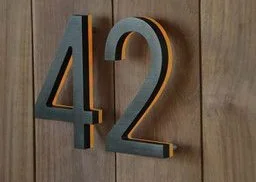
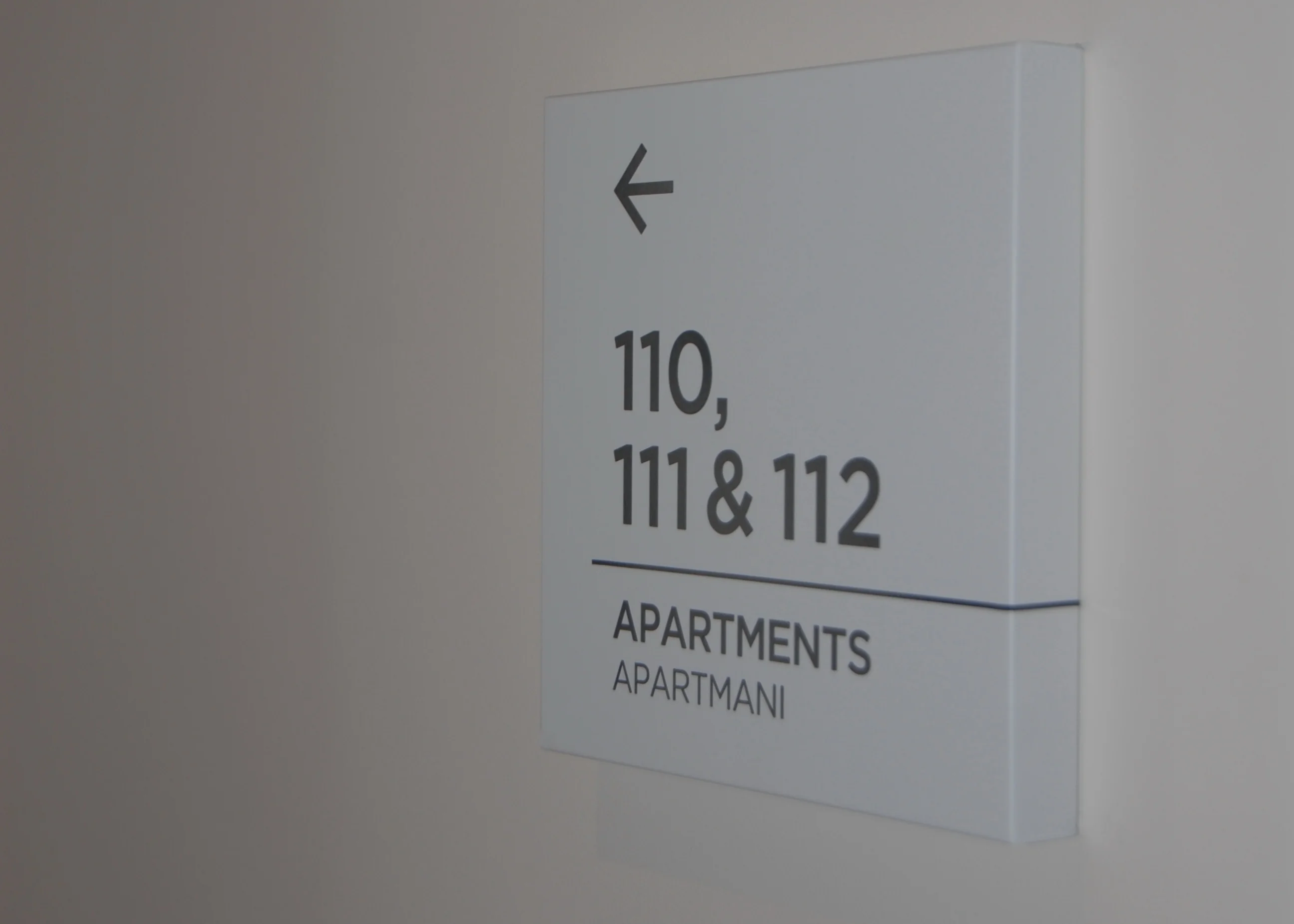
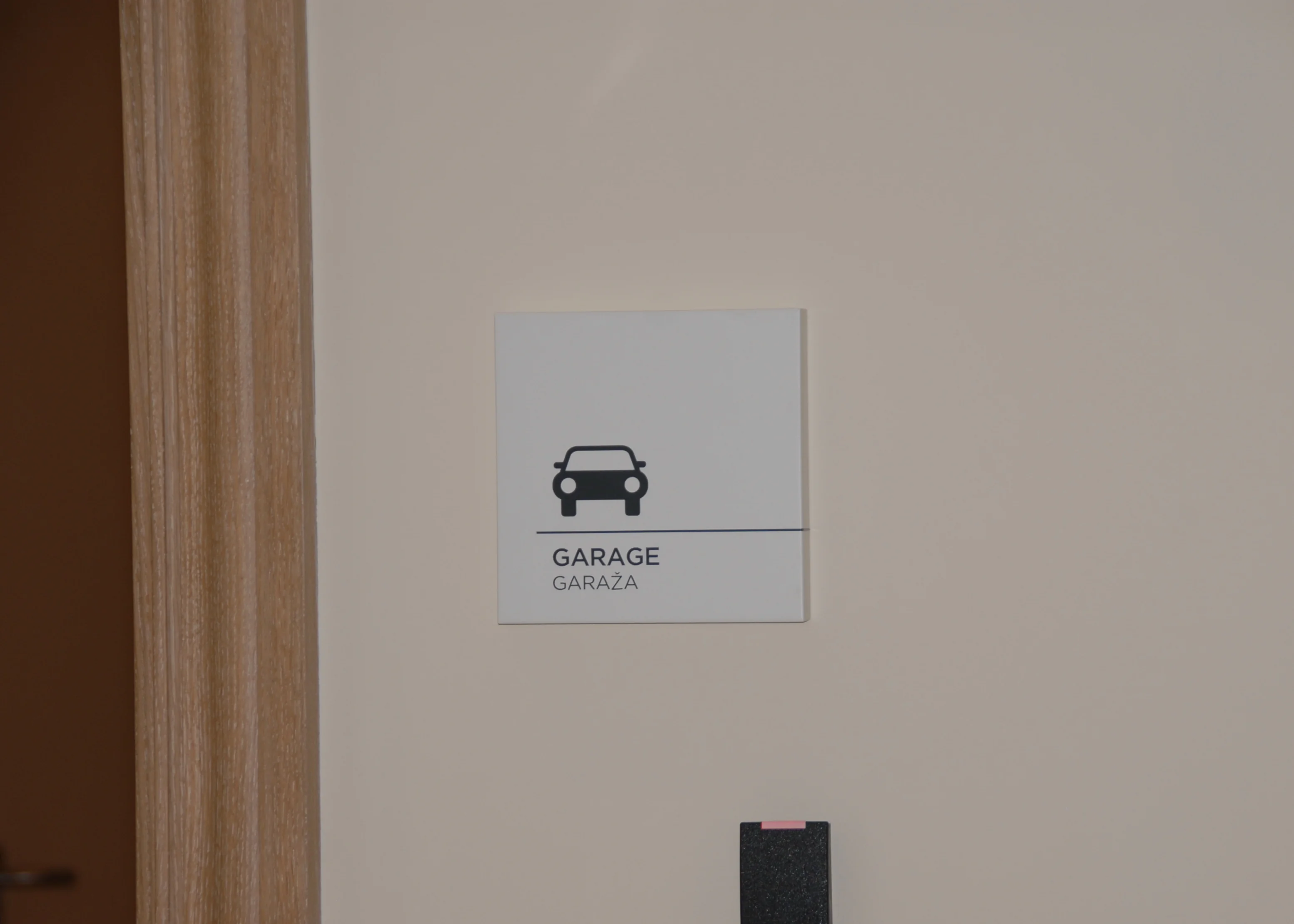
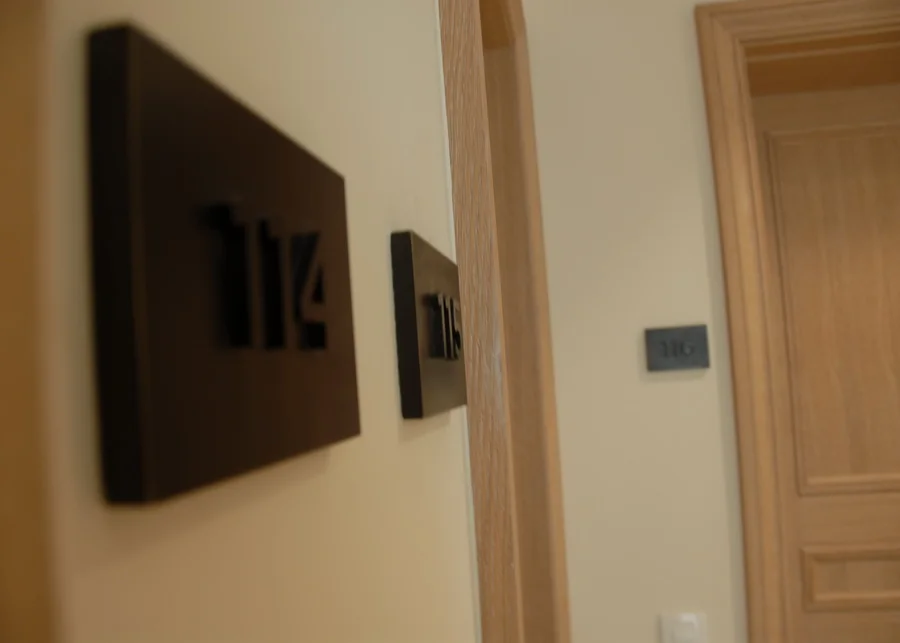
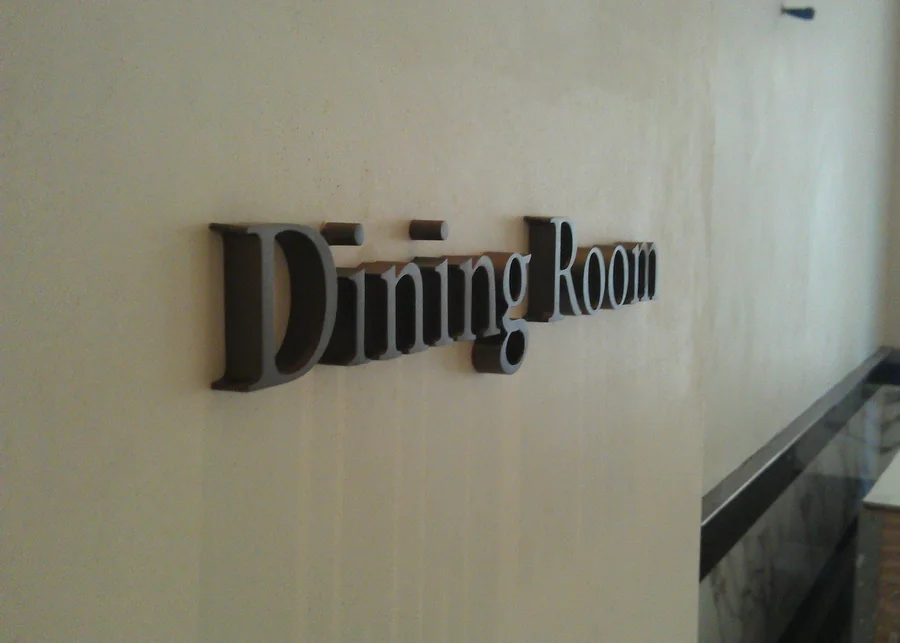
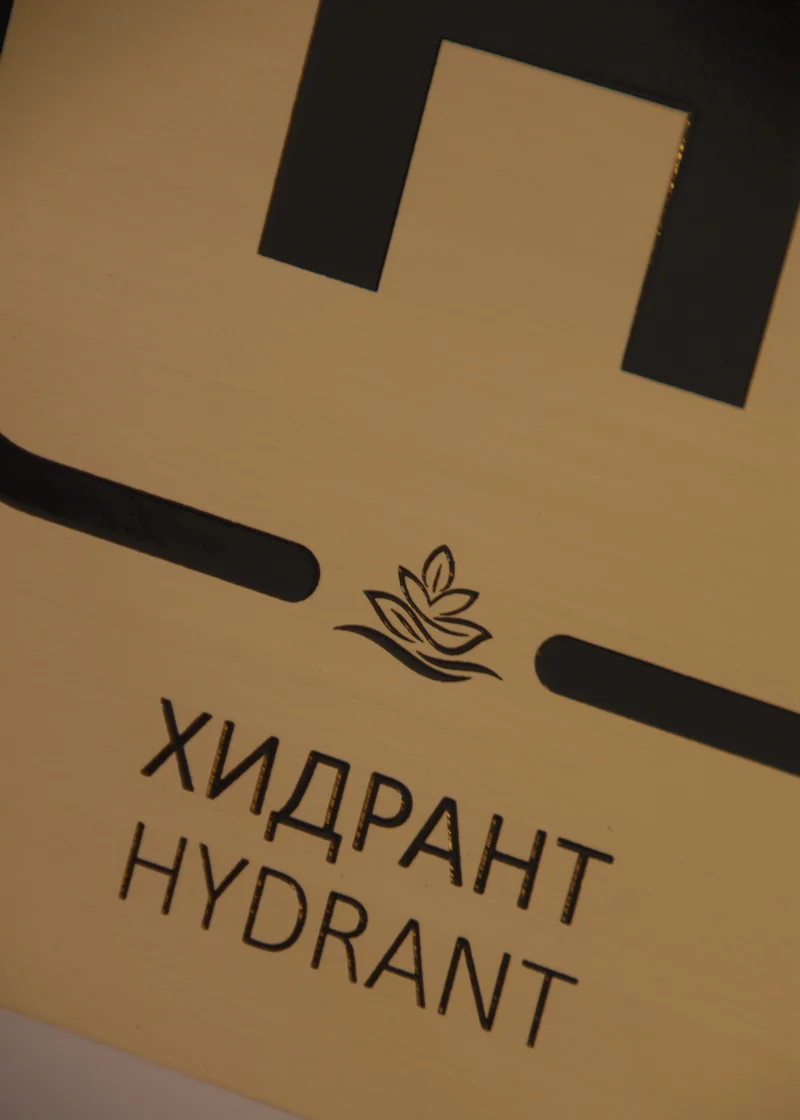
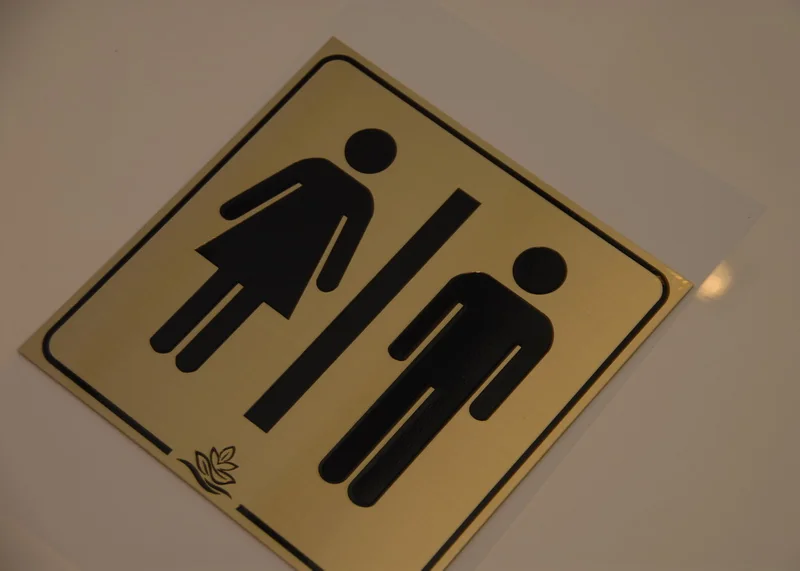
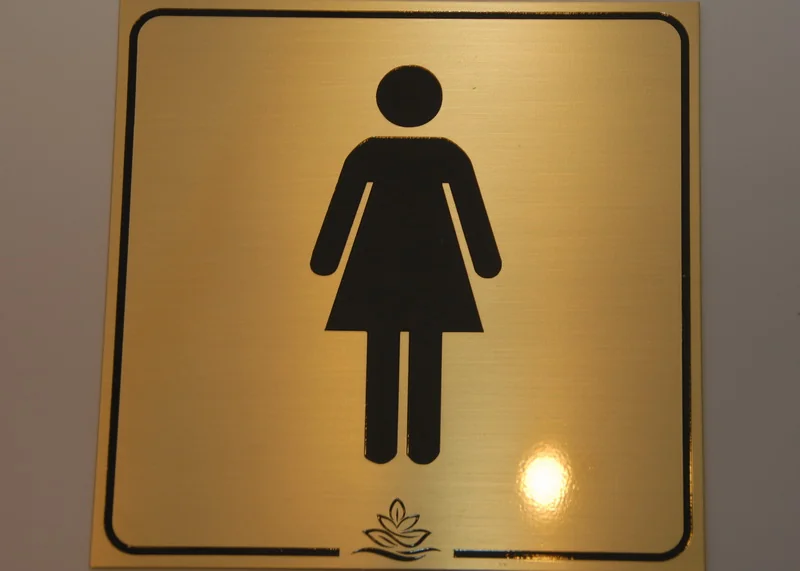
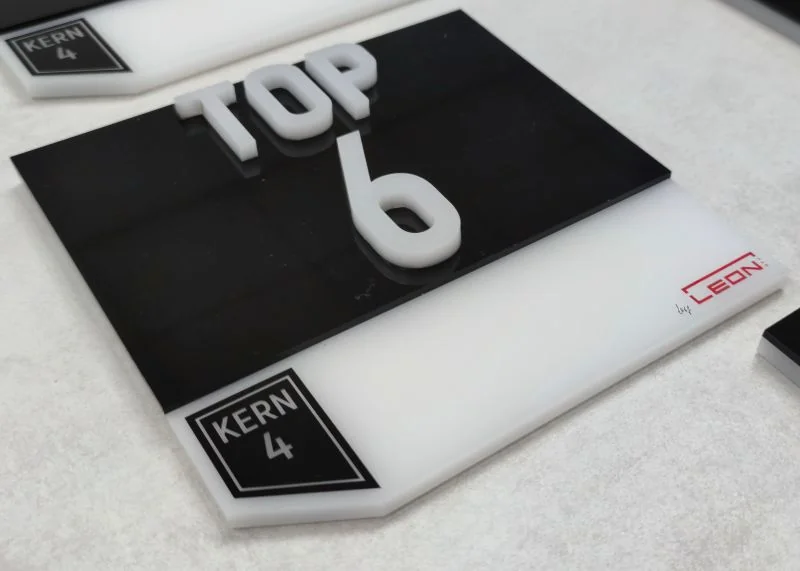
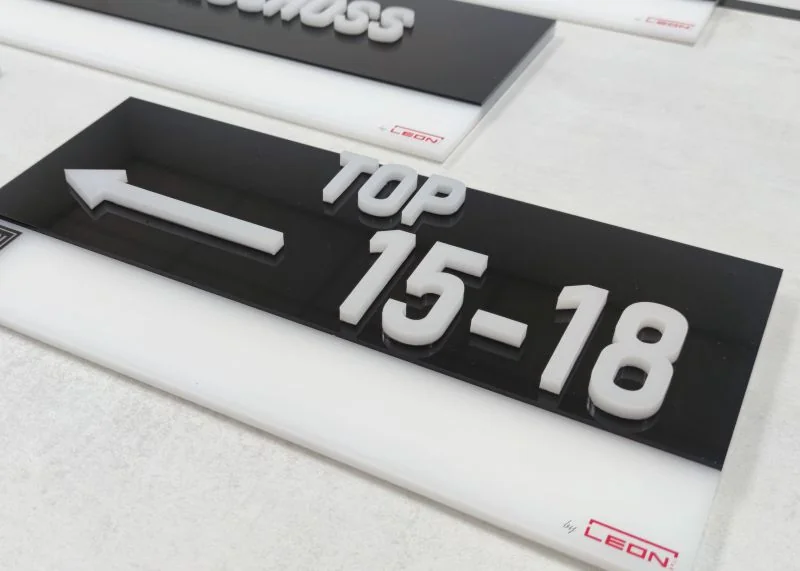
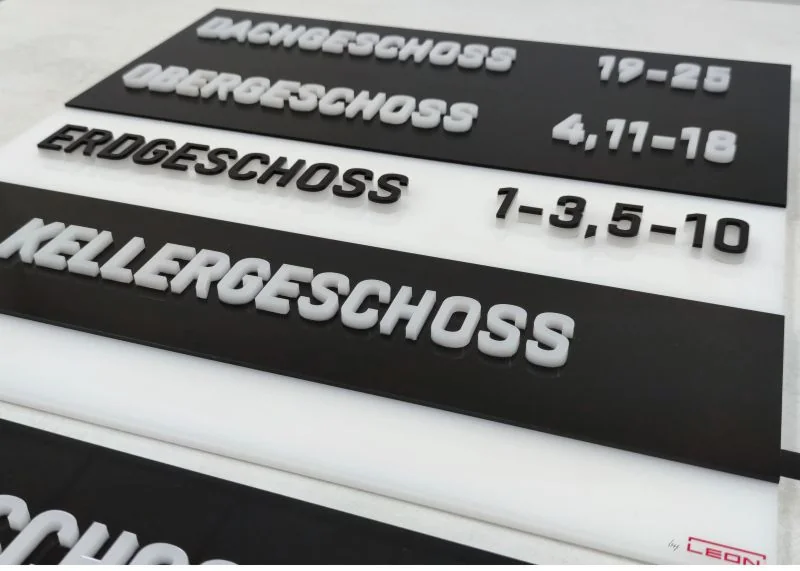
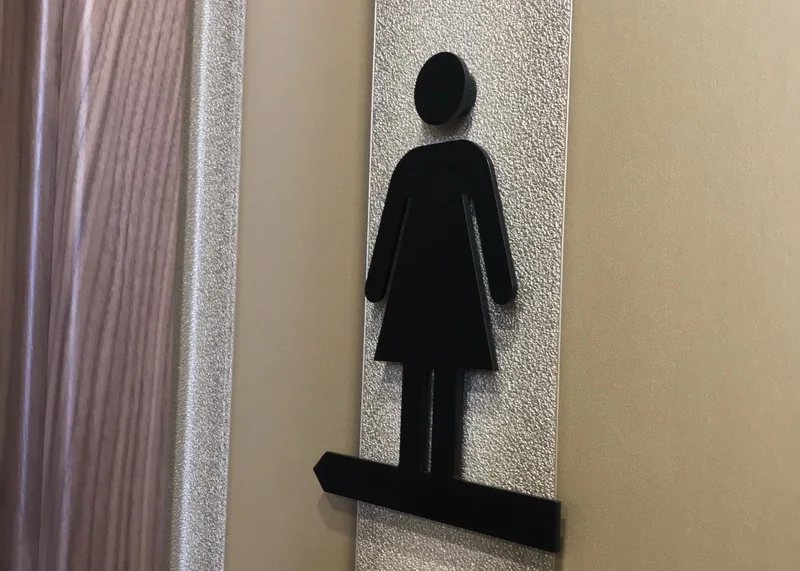
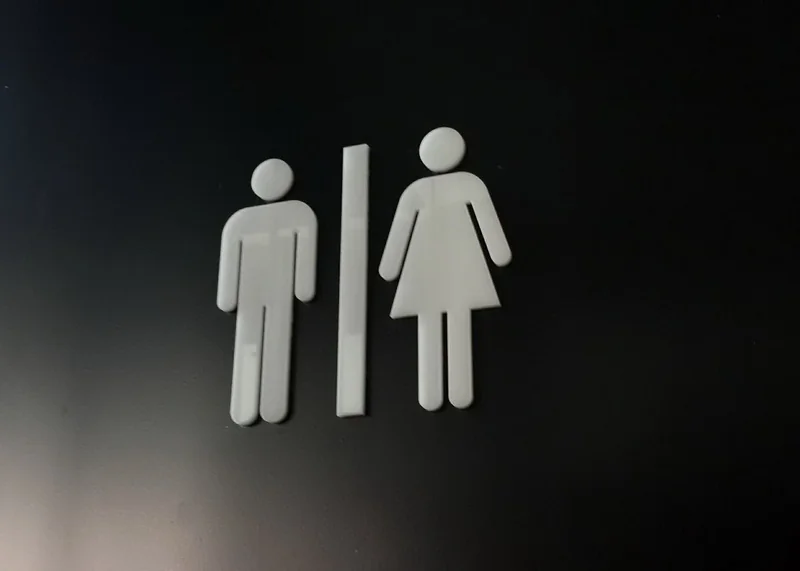
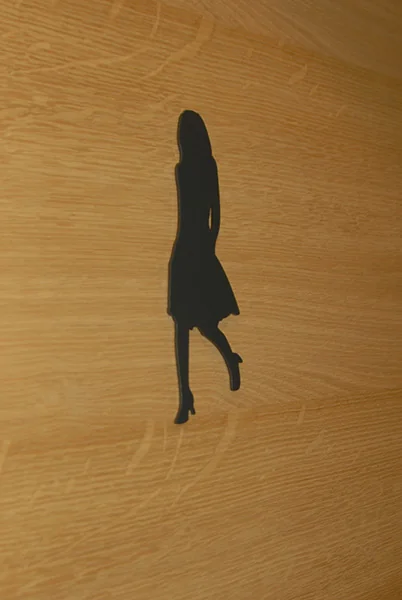
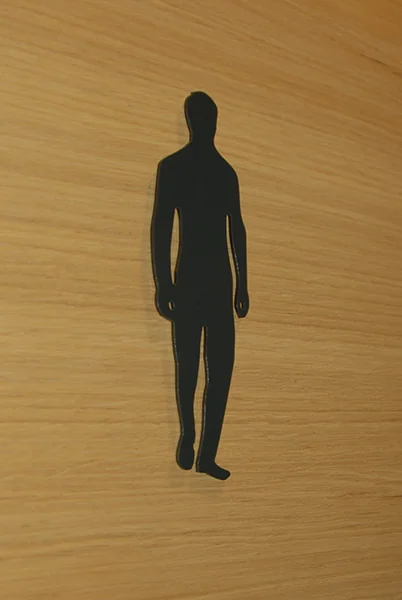
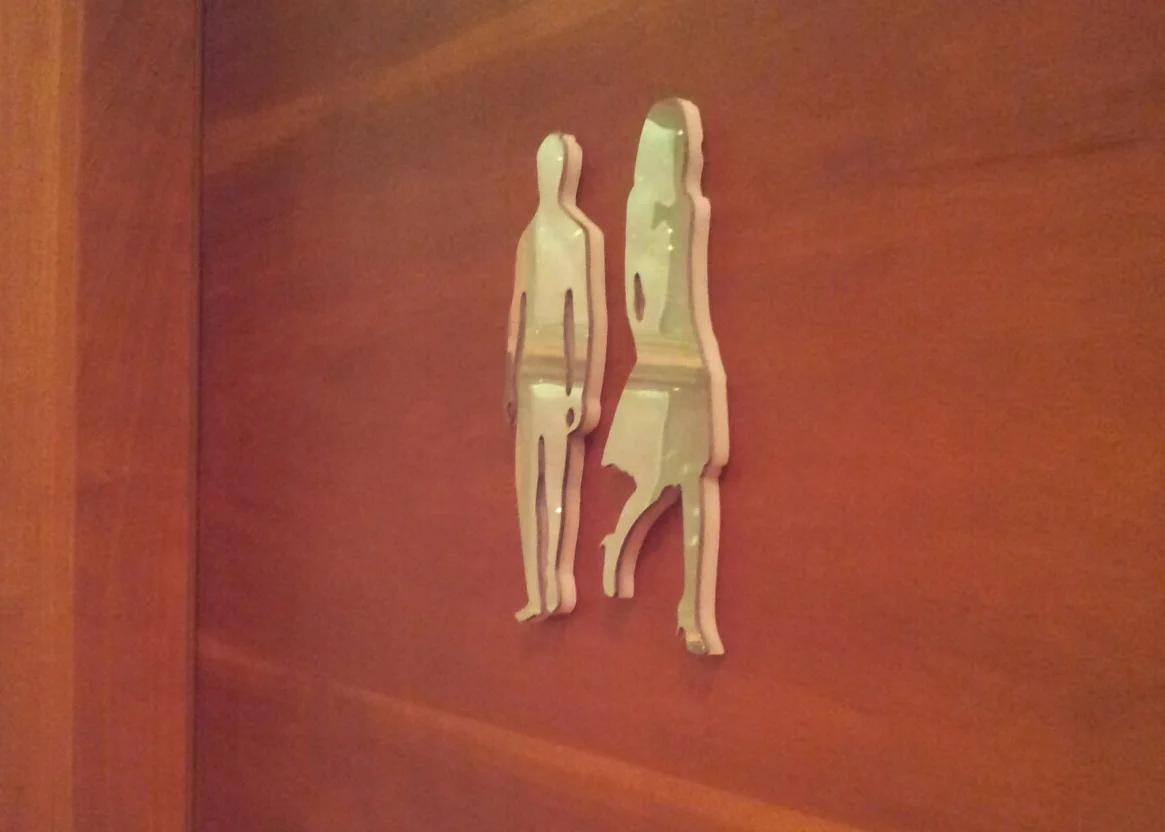
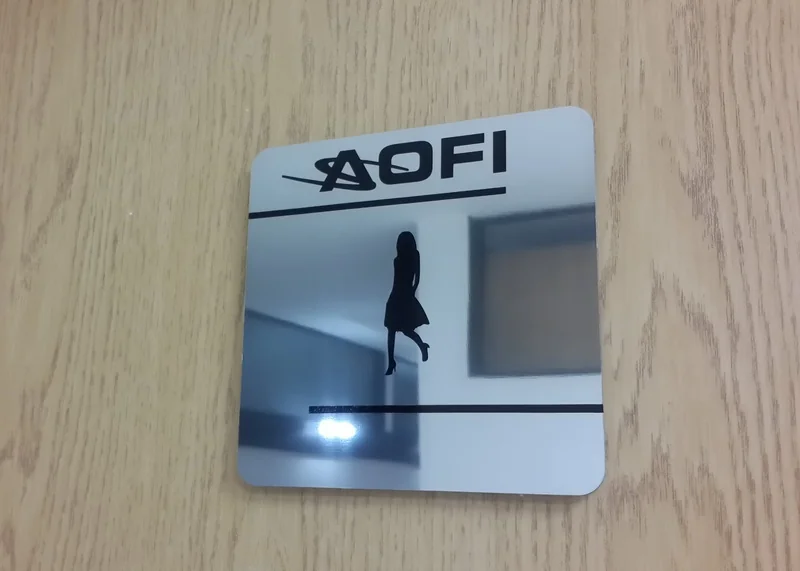
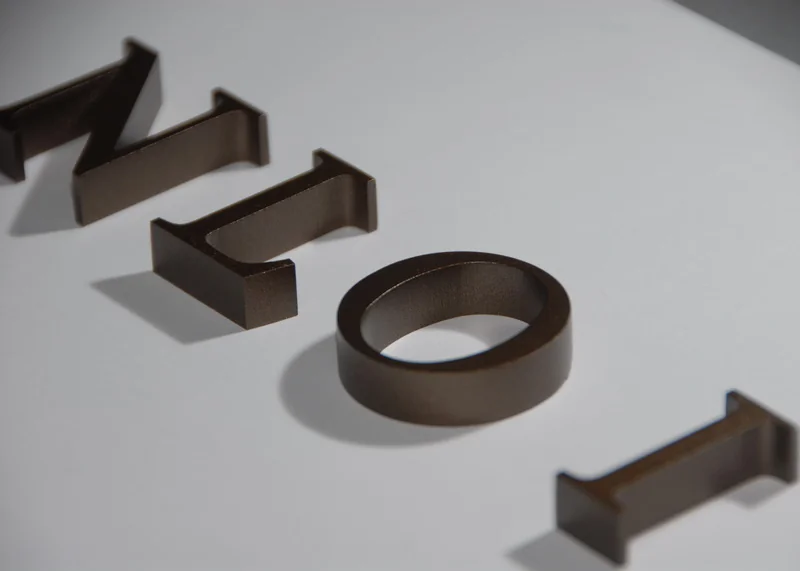
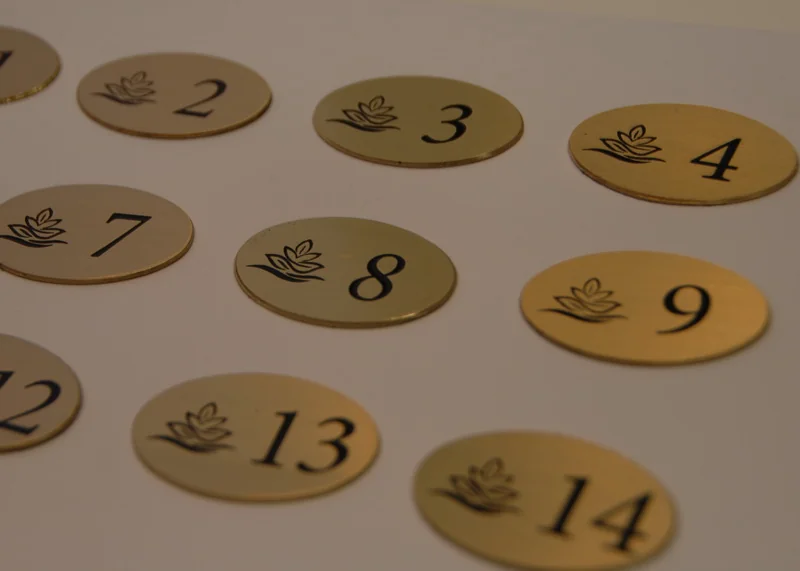
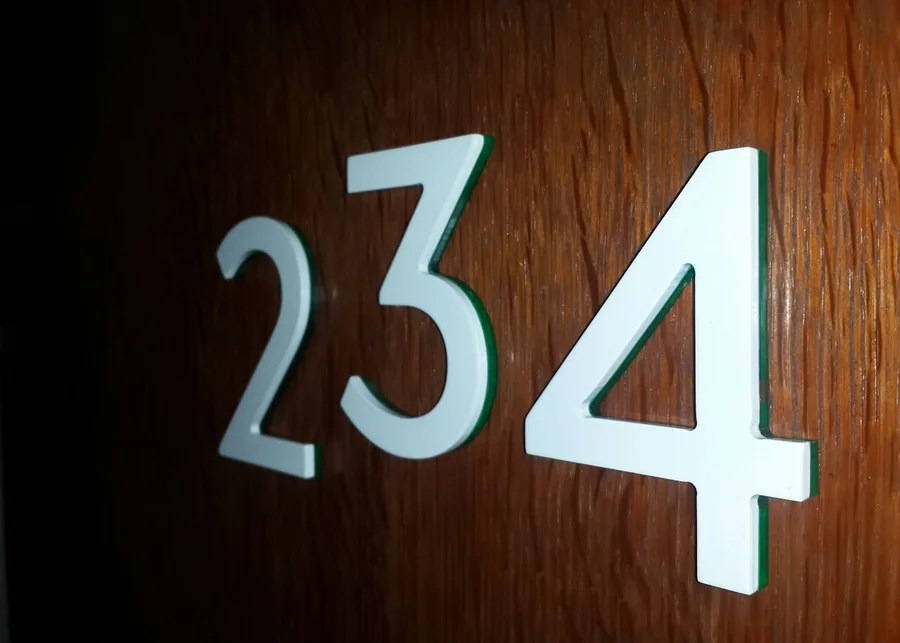
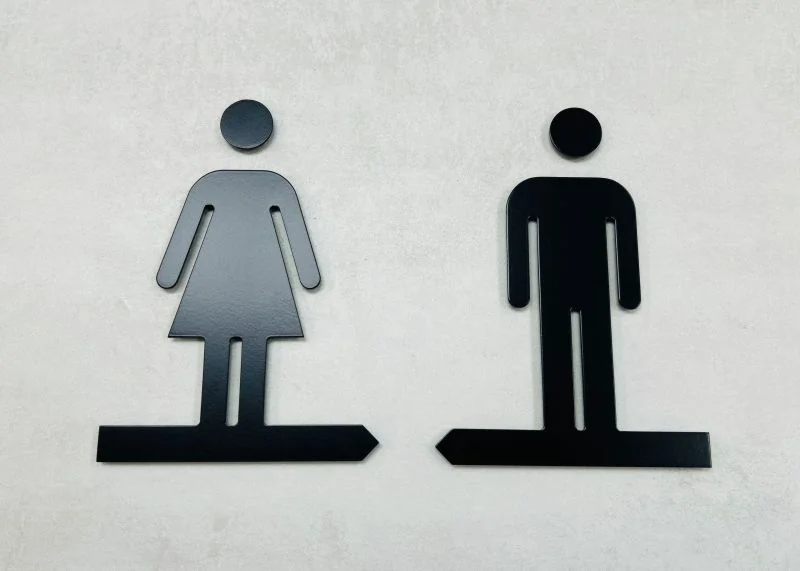
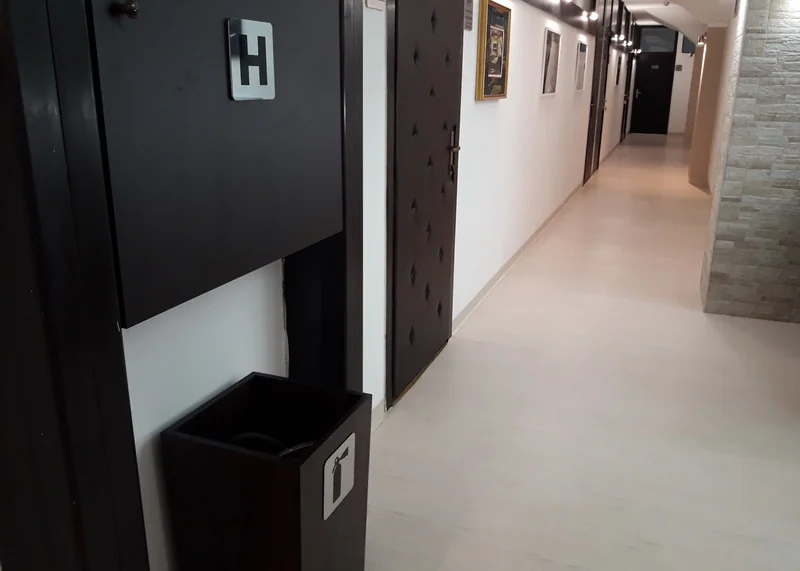
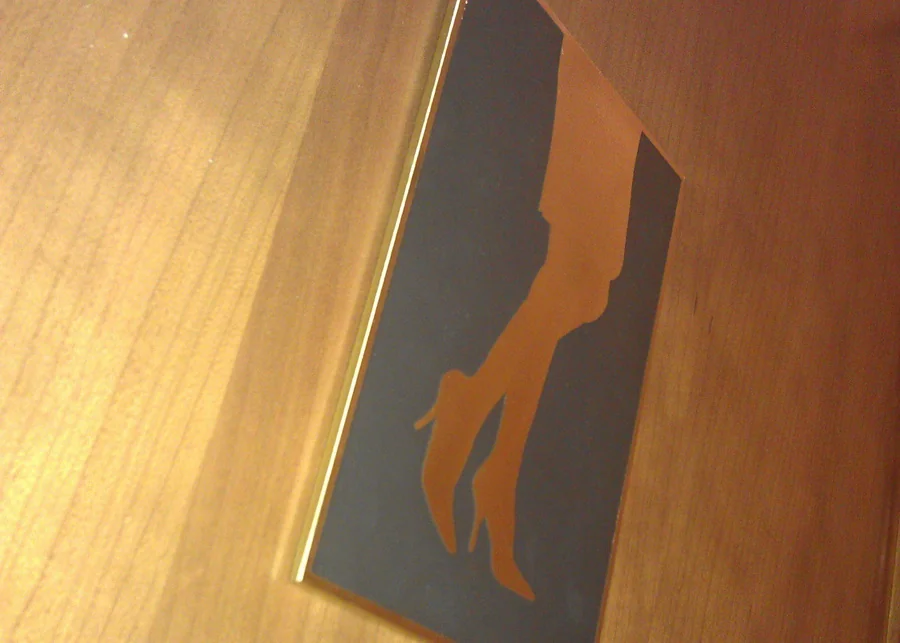
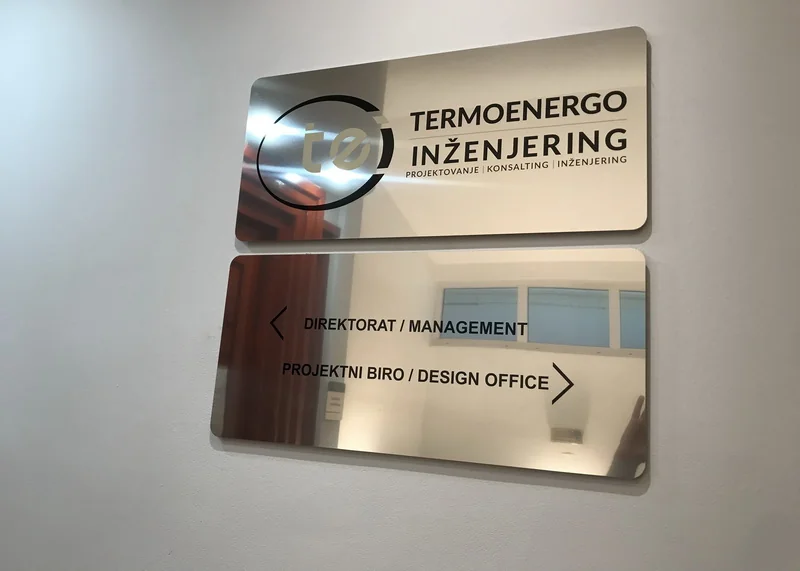
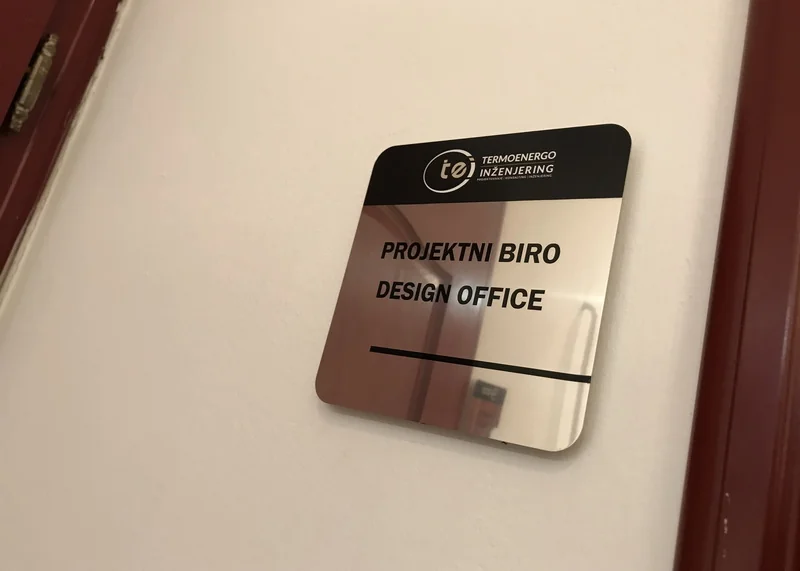
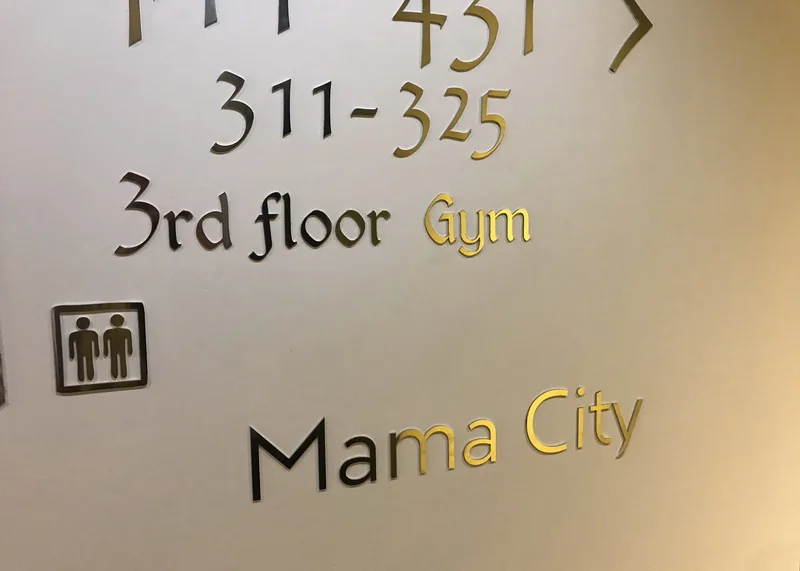
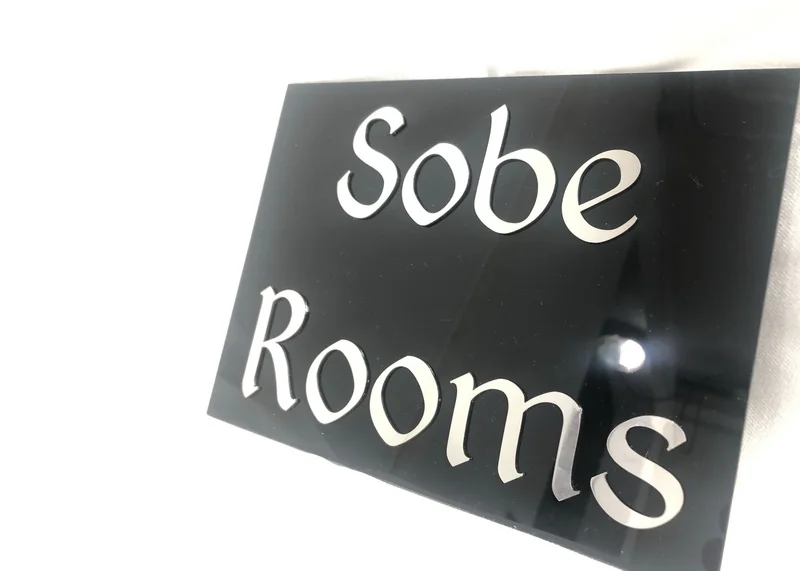
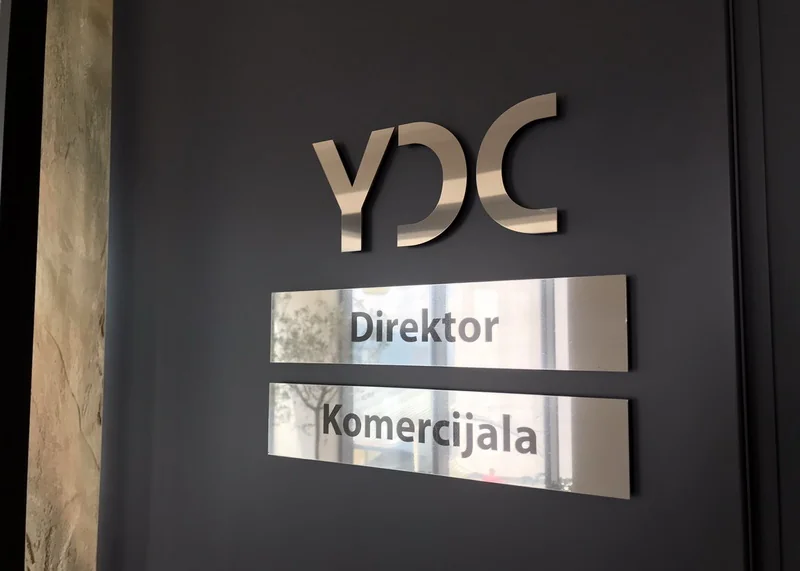
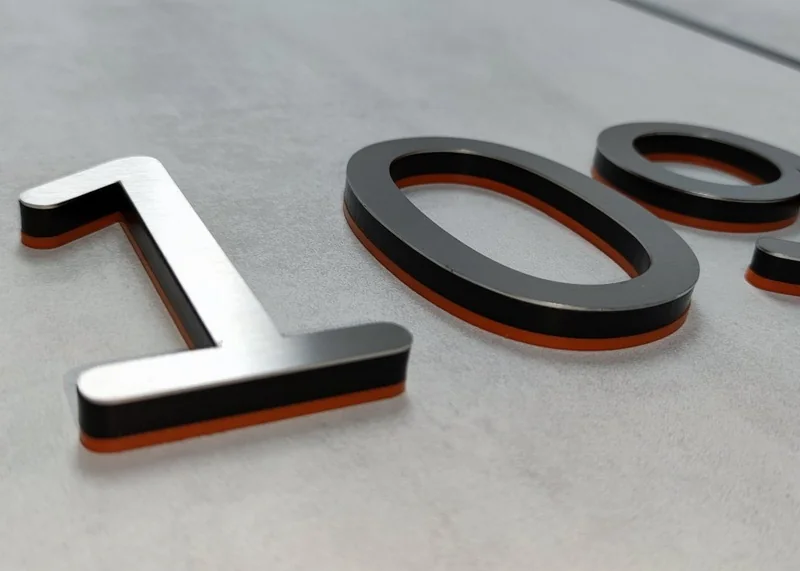
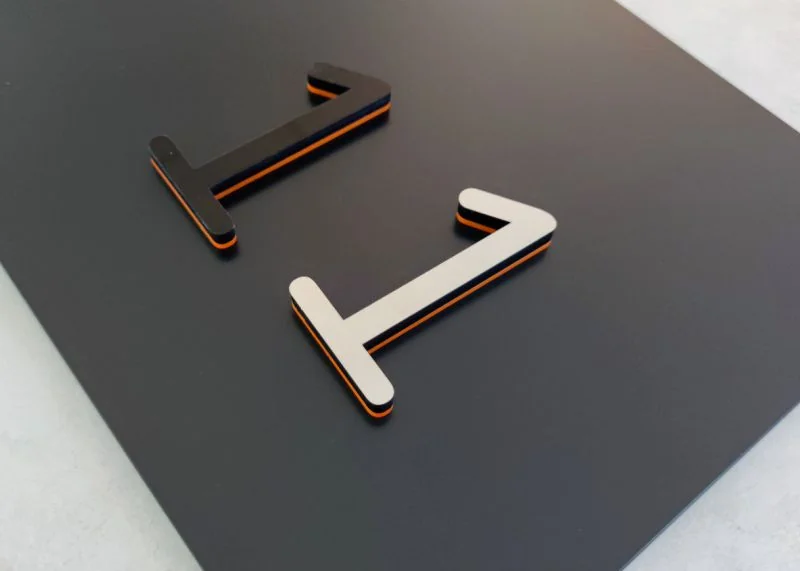
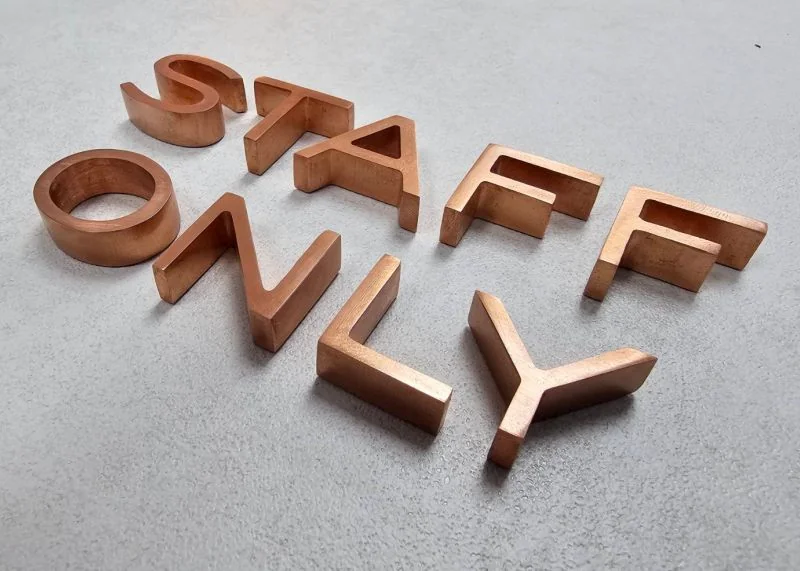
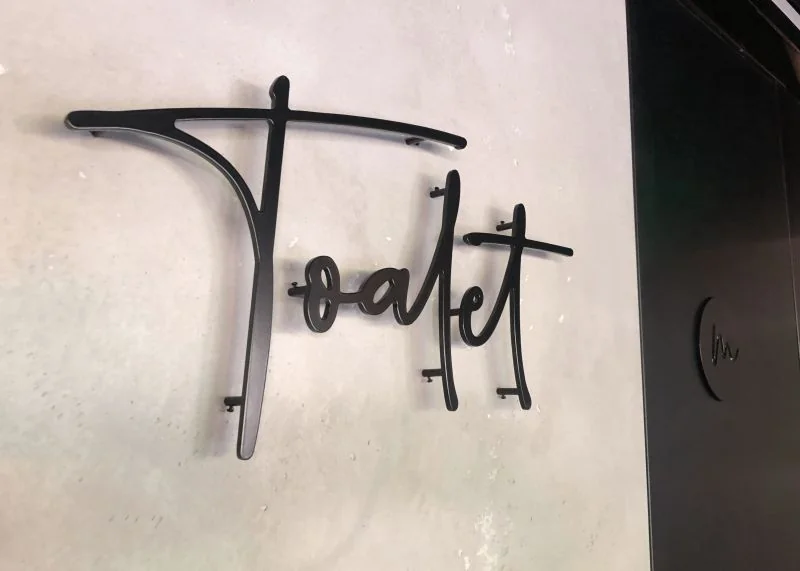
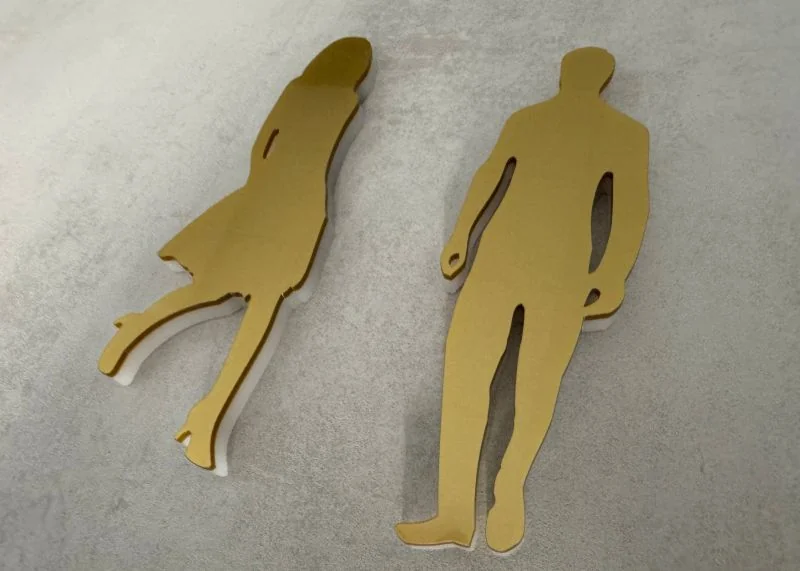
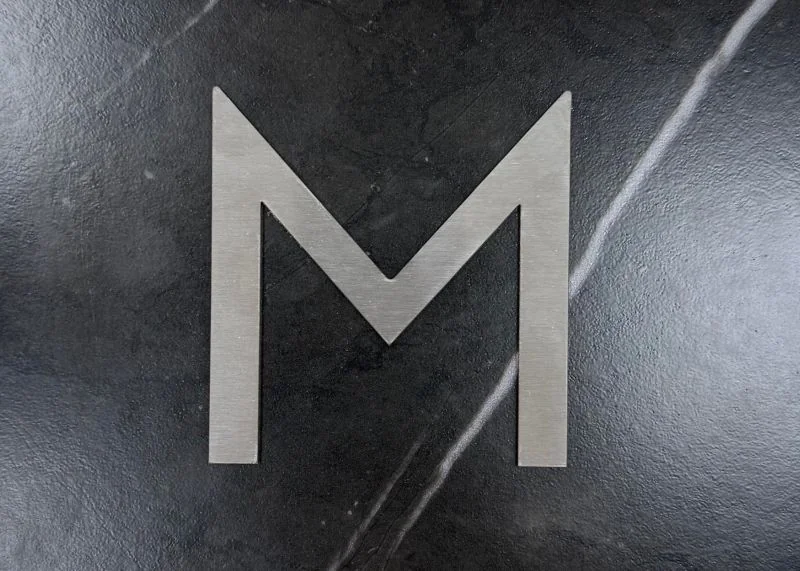
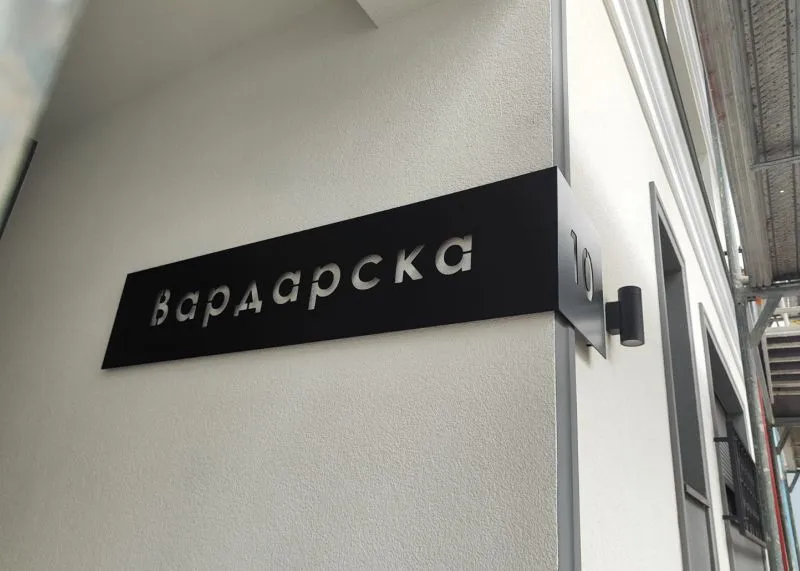
Metaling DOO Belgrade designs and manufactures custom-made interior signs: room numbers, office, toilet, floor, corridor and reception signs, directional signs, information boards and decorative brand signs. The solution is adapted to the purpose of the space, the client's graphic standards, the method of assembly and maintenance requirements.
Interior signs - types and purpose in business premises
Different functions require different form and way of reading the sign. Instead of all signs being the same size and format, it is more useful to develop a harmonized system that differentiates identification, directional and informational signs.
Signs for doors, offices and room numbers
Signs on the doors allow quick identification of rooms, departments and users of the space. In hotels, they are used for numbering rooms and marking common facilities; in business buildings for the names of offices, meeting rooms and administrative units. The text can be engraved, printed or made as a relief element.
Signs for toilets and common areas
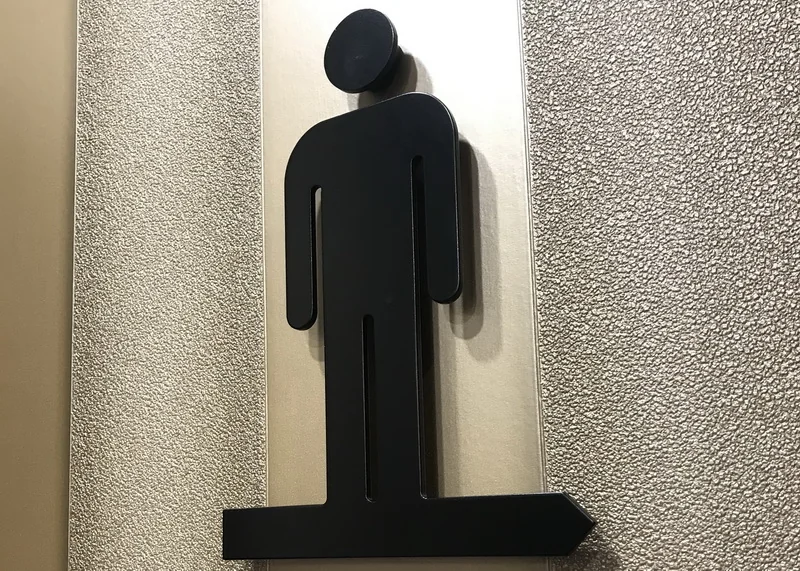
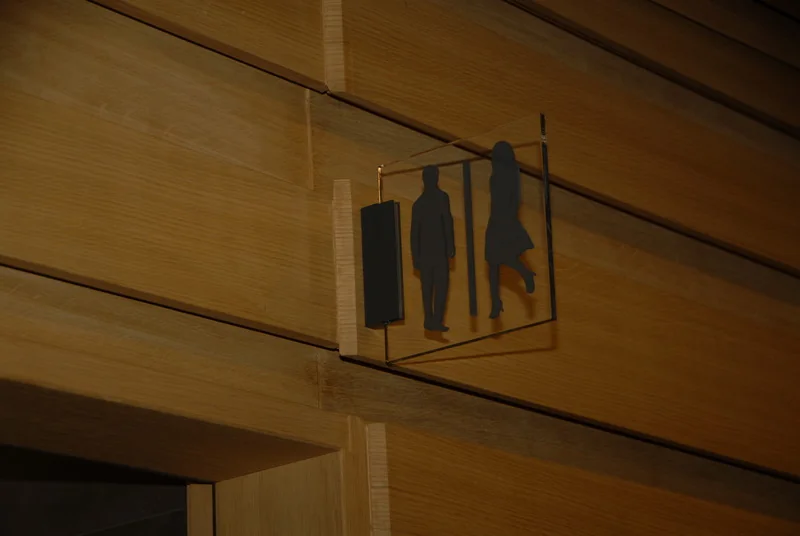
Pictograms, symbols and inscriptions are used to indicate toilets, cloakrooms, lifts, staircases and other contents. It is important that the symbol is understandable and that the same signage system is used consistently throughout the object.
Directional signs and wayfinding signaling
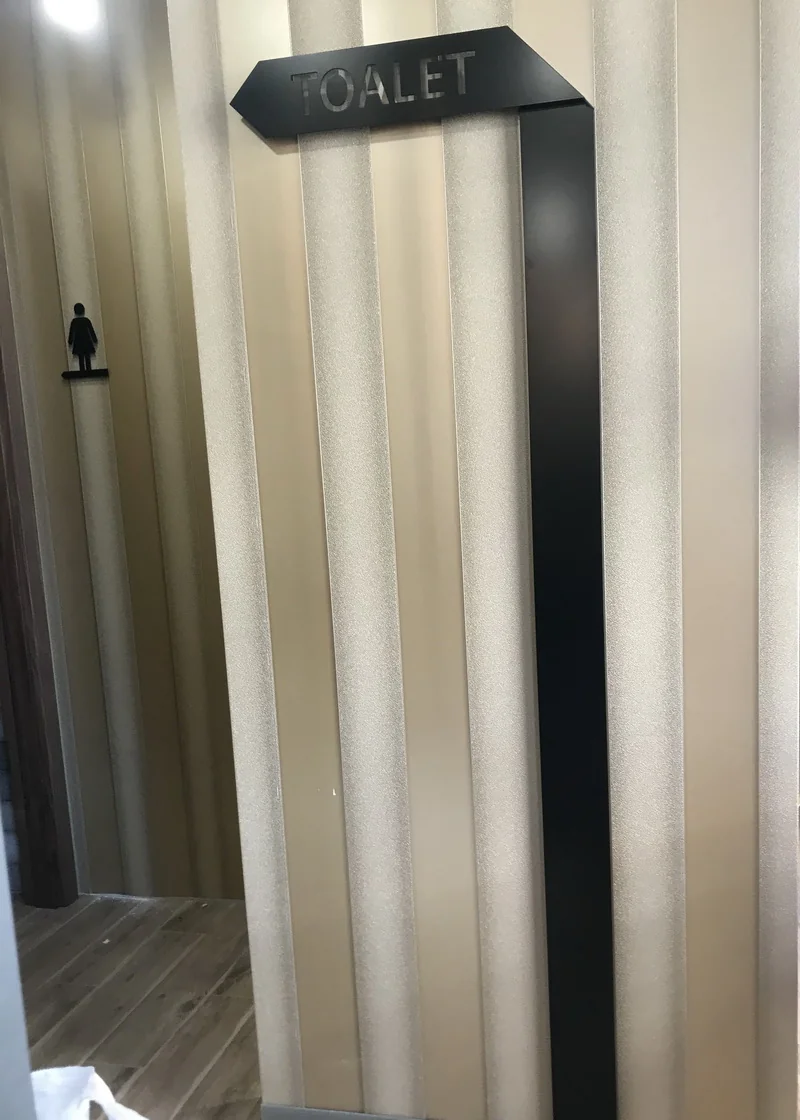
Directive signs guide visitors to their destination through corridors, intersections and elevators. Wayfinding includes the planning of the information hierarchy, the position of directional signs and the directions of movement, and not only the physical production of tables.
Branding of receptions and business interiors
In addition to functional signage, logos, company names, relief letters and decorative elements are created for receptions and representative areas. Their role is primarily identification and aesthetic, so the materials and lighting method are chosen according to the architectural concept.
Materials for making interior signs
The choice of material affects appearance, mass, resistance to touch and cleaning, engravability and cost. aluminium, stainless steel, acrylic, PVC, brass and bronze are most often used, alone or in combination.
Aluminium and stainless steel
Aluminium signs allow relatively low mass and various finishes, including painting in a selected RAL shade, when such technology is suitable for the project. stainless steel designations are applied when a distinctive metal surface, brushed or polished, is required. The choice of the appropriate type and finish depends on the conditions of use.
Brass, Bronze and Decorative Metals
Brass and bronze are used for representative interiors, hotel signs, signs and details in a classic or contemporary style. Various surface treatments and combinations with other materials are possible. The appearance of the metal during use depends on the final protection, touch and maintenance method.
Acrylic, PVC and combined materials
Acrylic (acrylic glass, Plexiglas) offers the possibility of making colour signs, with transparent or translucent parts. PVC is used for certain simpler boards and tiles. By combining materials, layered markings, inscriptions on spacers and other solutions adapted to the space can be realized.
Techniques for creating inscriptions, numbers and symbols
Graphics on signs can be made by engraving, laser or mechanical processing, chemical etching (etching) of suitable metals, UV printing, application of vinyl film or creation of separate relief elements. The technology is chosen according to the material, the size of the details, the amount of marks and the desired finish.
For example, a room number sign may have a metal base with an engraved number, while an information board may use printed graphics or interchangeable elements. With a larger signage system, it is important to pre-define unique fonts, symbols, colours and layout of information.
Lighting and non-illuminated interior signs
Non-illuminated interior signs utilize the ambient lighting of the facility and are suitable for most office and hotel applications. Illuminated signs may have integrated LED lighting, illuminated symbols or a backlit effect, depending on the design.
For the lighting performance, it is necessary to foresee the electrical supply, the position of the cables, the eventual access to servicing and the method of scattering the light. Lighting should not be seen as a substitute for sufficient contrast and legibility of the underlying information.
Readability, accessibility and braille signage
When planning signs, it is important to consider the distance from which they are read, the size of the letters, the contrast between the text and the background, the reflection of the material and the height of the placement. Spaces used by people with different accessibility needs require special attention.
For projects that foresee this, tactile and Braille markers can be created. Their dimensions, position, content and method of installation must be harmonized with the requirements of the specific object and the applicable regulations and project. The decorative design alone with protruding elements does not automatically mean that the sign is accessible.
Dimensions and installation of interior signs
Dimensions are determined according to the type of information, visibility, material, installation surface and required number of elements. The room number, the large direction board and the logo behind the reception cannot have a single recommended range of measurements. For each type of sign, the spacing of the elements, the thickness of the material and the method of attachment are checked.
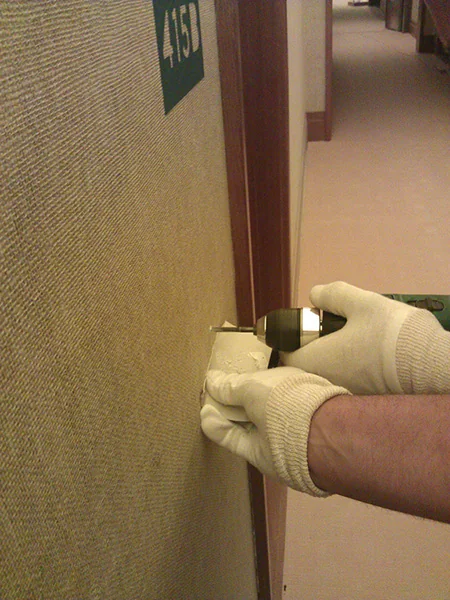
Smaller markings can be applied with suitable adhesives or tapes, according to the type and condition of the substrate. Spacers and mechanical elements are used for more demanding, larger or multi-layered markings. In the case of glass, coated and specially treated surfaces, the assembly method should be coordinated before production.
The price of interior signs - what does it depend on?
The production price depends on the specification of the individual sign, quantity and method of installation. In the existing assortment, you can distinguish between simple signs made of PVC or acrylic, standard aluminium and acrylic signs, as well as more demanding designs made of stainless steel, brass or other decorative materials.
- Production material: PVC and acrylic, aluminium, stainless steel, brass and bronze differ in cost of acquisition, processing possibilities and final protection.
- Dimensions and number of pieces: size and batch production affect material consumption, preparation and production process.
- Technology and finishing: engraving, etching, UV printing, vinyl film, sanding, polishing, sandblasting and protective treatments can significantly change the price.
- Assembly method: direct gluing, spacers, mechanical fastening and layered constructions require different scope of work.
- Additional requirements: LED lighting, tactile elements, Braille, changeable information, and special packaging or batch labeling affect the calculation.
For an accurate offer, it is useful to submit a list of required signs with the number of pieces, dimensions, texts, selected material, artwork and installation location. Send a request for a quote for interior signs.
Examples of derived interior signs
The gallery on this page shows different completed projects: hotel room numbers, toilet signs, office signs, suite signs and directional signs. Examples illustrate the choice of metal and acrylic, surface treatment and different ways of displaying inscriptions and symbols.
Frequently Asked Questions About Interior Signs
What signage is required for a hotel or office building?
It depends on the organisation of the facility. Common groupings are room numbers, room names, toilet and common facilities signs, floor boards, directional signs and information signs. A single labeling plan is recommended for larger facilities.
Can interior signs be made in small batches?
Yes, the scope of the order is defined according to the project. For larger series, it is practical to prepare a list of all inscriptions and numbering in advance so that the markings are uniform.
Do signs have to have LED lighting?
No. Most signs can be non-illuminated. LED lighting is applied when it is justified by the design, the conditions in the space or the purpose of the specific sign.
Do you make Braille signs?
Tactile signage and Braille can be part of an interior signage project. Technical details are determined according to project documentation and accessibility requirements.

