

3D letters without lighting - metal and acrylic letters
3D letters without lighting are 3D lettering and logos that do not have built-in light sources. They are made of suitable metal or plastic materials and are used when the shape, depth, finish surface and fitting of the inscription into the architecture of the object is important. Unlike LED illuminated letters, no power supply or electrical installation is required inside the sign.
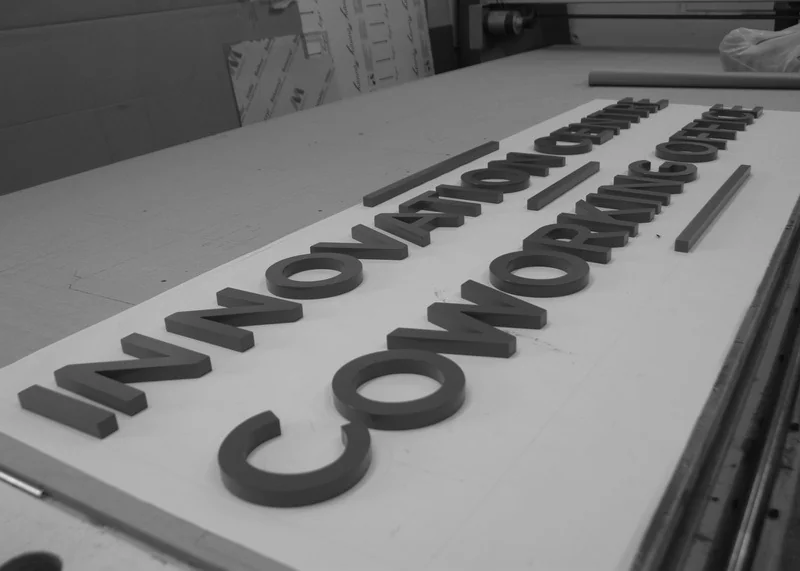
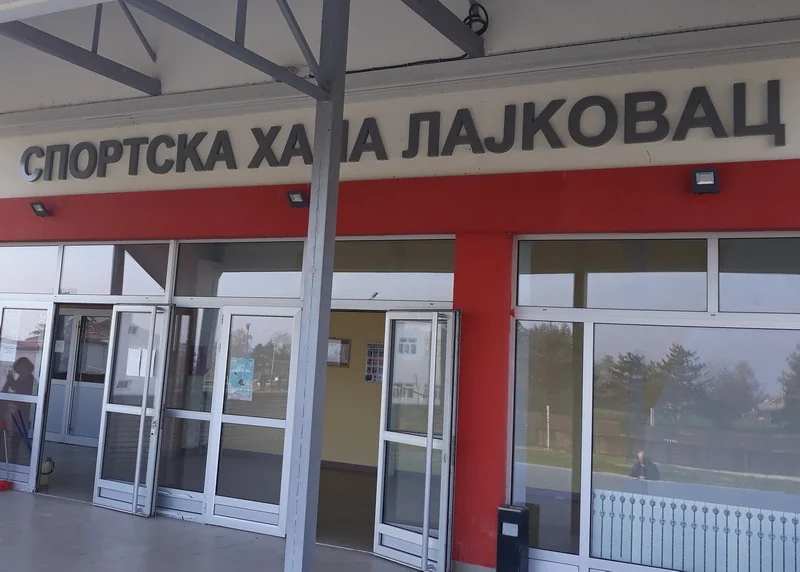
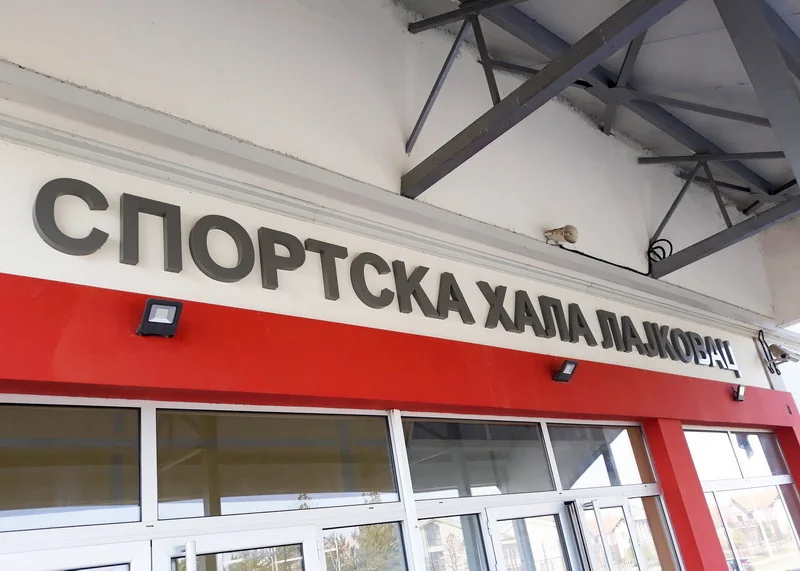
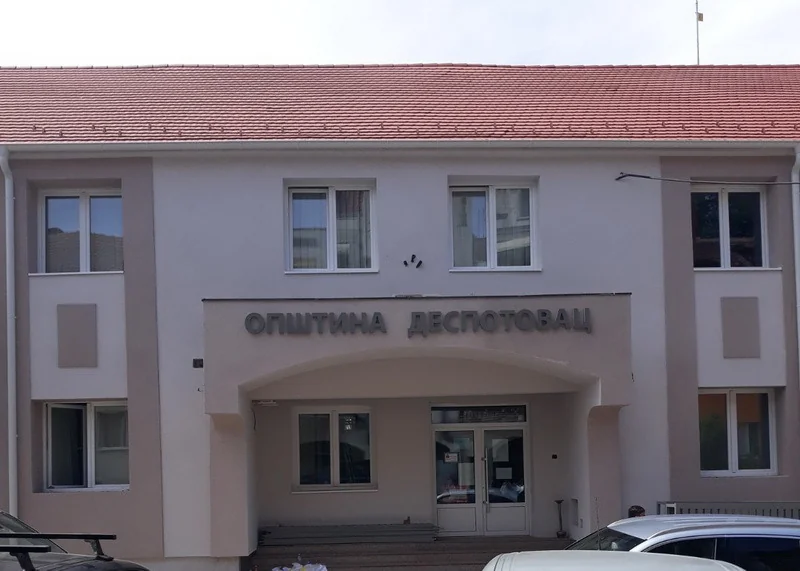
Metaling DOO Belgrade produces non-illuminated 3D letters from aluminium, stainless steel, brass and acrylic according to the artwork and installation conditions. This type of signs is used on facades, entrances to business facilities, receptions, hotels, restaurants, retail spaces and other interiors. The inscription can be made in colour according to the visual identity or with a visible metal texture.
3D letters without lighting - materials and construction variants
Non-illuminated 3D letters can have a construction with a separate face and sides, be made of solid material or be a combination of plate elements. The method of production depends on the geometry of the logo, the required depth, the stroke size and the place of installation. That is why it is important to distinguish 3D letters with a body from flat metal letters (flat-cut inscriptions).
Aluminium 3D letters without lighting
Aluminium enables the creation of lighter spatial constructions and different geometric shapes. The letters can have shaped sides, a metal face and back elements according to the technical solution. The final colour is chosen according to the design and conditions of exploitation, with the possibility of powder coating or suitable liquid paint. The decision on the final treatment depends on the shape, processing method and the desired appearance of the surface.
Stainless Steel 3D Letters
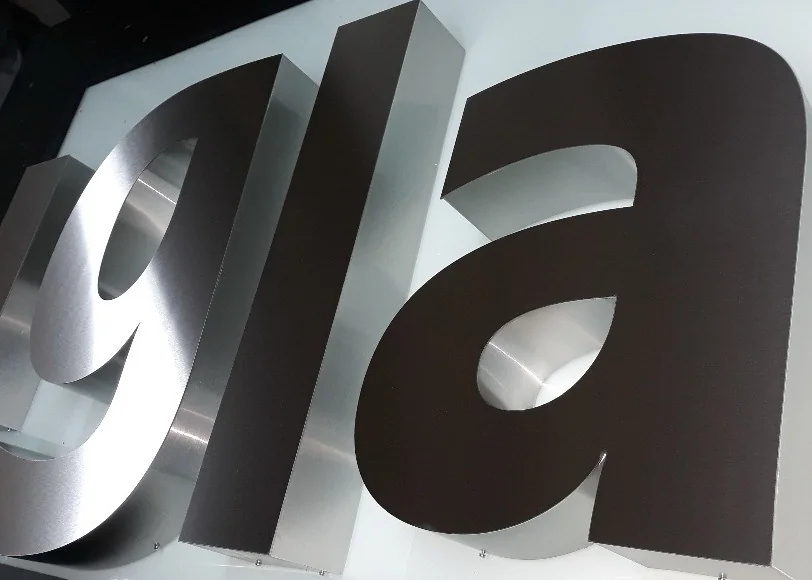
Stainless steel letters are used when the goal is a pronounced metal surface and a representative appearance of the inscription. They can be sanded, satin or polished, according to the type of material and project requirements. For external application, it is necessary to choose the appropriate alloy and maintenance according to atmospheric and corrosion conditions. The thickness of the material and the method of joining are adapted to the construction of the letter.
Brass 3D Letters
Brass is used for signs that require a warm metallic hue and a distinctive decorative effect. Depending on the requirements, polished, sanded or patinated surfaces can be considered. The appearance of brass can change during exploitation, so the final protection and maintenance are defined according to the place of installation. Brass letters are particularly interesting for representative interiors and for marking buildings with a specific architectural identity.
3D acrylic letters
3D acrylic letters are made of acrylic material, including milky white and colored varieties, according to the available plate types. They can be full, layered or spatially shaped in accordance with the required geometry. Such inscriptions are suitable for marking interiors, business premises, receptions and sales facilities, without the need for built-in LED lighting.
Surface treatment and colours of metal letters
The chosen finish affects the appearance, resistance and maintenance of the sign. With aluminium, powder coating or polyurethane painting is applied, when it suits the construction and the project. colours are chosen according to the RAL colour chart or other confirmed sample. With stainless steel and brass, different mechanical finishing processes can be used, including grinding and polishing.
It is important to distinguish materials that are standardly painted from metals whose natural appearance is part of the design. Not every combination of coating and substrate is equally suitable, especially on facades and in places with demanding cleaning conditions. The final appearance should be agreed before production based on colour, texture or appropriate pattern.
Dimensions and technical feasibility of 3D letters without illumination
The size and depth of the letters depend on the technology: solid or layered letters, flat-cut elements and hollow metal 3D letters do not have the same constructive possibilities. Overall dimensions, font stroke width, small openings, depth, weight and substrate type should be checked before determining feasibility.
For individual metal elements of small thickness, full plate processing may be appropriate, while greater spatial depth usually requires a different construction solution. Therefore, the minimum and maximum height data cannot be unconditionally applied to all variants. Vector caption and mounting position are the basis for technical evaluation.
Application of non-illuminated letters in the interior and on facades
In the interior, non-illuminated signs are used for reception logos, room markings, tenant identification, hall markings and decorative elements. On the facades, they can be part of the architectural identity of the object when a discreet inscription is desired or when the introduction of electrical installation for illuminated signage is not planned.
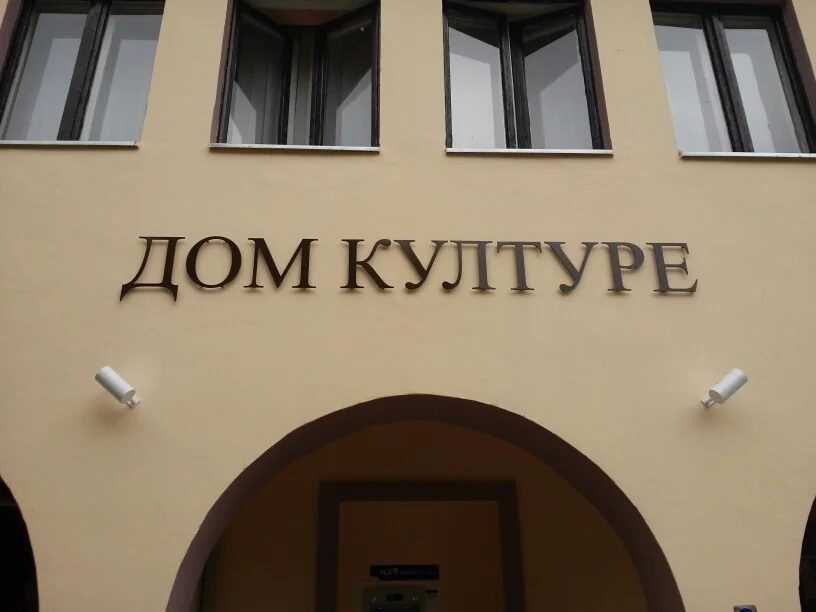
On buildings under the protection of cultural heritage, the type of signage, construction and method of attachment must be in accordance with the specific conditions of the competent institutions. A non-illuminated design in itself does not mean that installation is automatically allowed. For such locations, technical documentation and the method of intervention on the existing foundation are particularly important.
External illumination of non-illuminated 3D letters
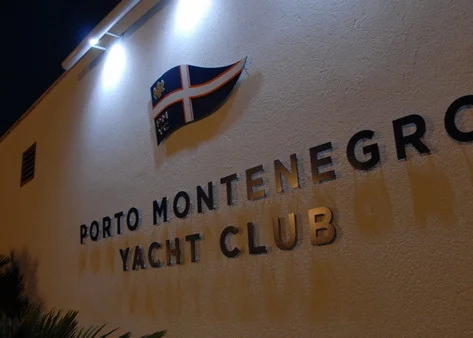
Inscriptions without built-in lighting can, if necessary, be additionally illuminated with external LED reflectors or decorative lights. In that case, the lighting is a separate system, and the letters still do not have integrated LED modules. The project determines the positions of the lamps, the direction of illumination, possible glare and the visibility of the sign during the night.
External lighting should be coordinated with the architecture of the building, the intended cables and maintenance conditions. Not always necessary or justified: the choice depends on the environment and the actual need for visibility.
Montage of 3D letters without lighting
Letters can be attached directly to a suitable substrate or placed via spacers, brackets or a special substructure. The method of fastening is determined according to the material of the letters, mass, dimensions, type of wall or facade and conditions of exploitation. Visible or hidden spacers can also have a decorative function.
Before installation, it is necessary to determine the characteristics of the substrate, access to the place of installation, possible restrictions for drilling and working conditions at height. In the case of composite, thermal insulation or ventilated facades, the reception of signage must be coordinated with the supporting structure and the technical solution of the object.
What does the price of 3D signage without lighting depend on?
The price is calculated for a specific inscription based on material, dimensions, technology and assembly. Two signs of the same overall width can have significantly different costs if the typeface, required depth or surface finish differ.
- Material: aluminium, PVC, acrylic, stainless steel and brass differ in purchase costs and production methods.
- Dimensions and depth: large elements consume more material, while small details may require more precise machining; complexity is estimated for a specific shape.
- Processing and surface finish: powder coating, polyurethane painting, sanding, satin or polishing have different technological requirements.
- Installation site: interior, facade, work at height and specially protected objects require different equipment, preparation and possible documentation.
- Additional options: spacers, special brackets, decorative details and separate lighting with reflectors affect the total cost of the project.
For a precise offer, please provide a vector logo or inscription, the desired dimensions and depth, the material if known, the number of pieces, a photo of the place of installation and the location of the object. Send a quote request.
References - 3D letters without lighting
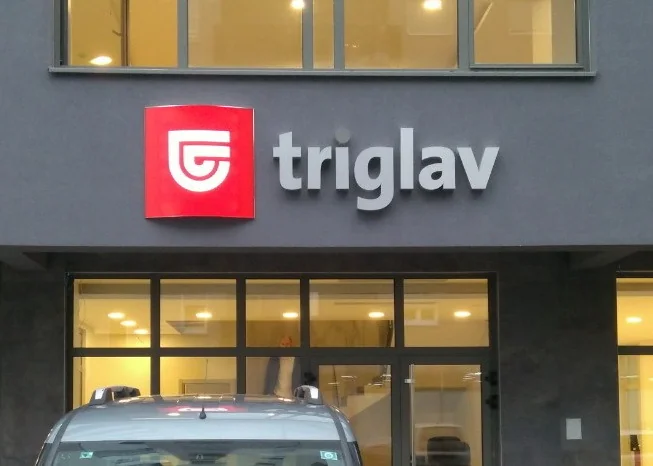
The gallery shows various examples of metal and other non-illuminated inscriptions, including completed projects of Porto Montenegro, Triglav, Gajdobra Cultural centre, Lajkovac Sports Hall and Despotovac Municipality. Examples show the possibilities of forming letters and installing them on various architectural substrates.
FAQs about 3D letters without lighting
What is the difference between 3D letters without lighting and flat-cut lettering?
3D letters have an emphasized spatial depth and can be hollow or made of solid material. flat-cut letters are made from a flat plate, so the depth is determined primarily by the thickness of the material. The choice depends on the desired appearance, dimensions and mounting method.
Can non-illuminated 3D letters be placed on the facade?
Yes, when the construction and method of assembly are adapted to the particular facade. It is necessary to check the lining material, the method of attachment, the outdoor conditions and the possible need for approvals.
Which material to choose for metal 3D letters?
The choice between aluminium, stainless steel and brass depends on the final appearance, mass, installation and maintenance conditions. aluminium enables different colored finishes, stainless steel a metallic texture, and brass a characteristic decorative effect.
Can unlit letters be visible at night?
Yes. They can be illuminated by external reflectors or other separate lamps. It is not the same as making LED illuminated letters, in which the lighting is integrated into the construction.
Related Products and Useful Information
- 3D letters - types and technologies
- Flat-cut metal signs
- 3D letters with front LED lighting
- 3D letters with halo illumination
- Colour display 3M vinyl film
- RAL colour chart
- Benefits of signage
- How to determine the sign size?
- Launch the Sign Configurator
- Online 3D Letter Designer
- Sign design help


Request a quote for 3D letters without lighting
Metaling DOO Belgrade creates 3D signs and logos without built-in lighting according to the project's request. Send the artwork, dimensions, selected material and information about the place of installation so that we can propose a suitable construction and prepare an offer.