

Flat-cut signs - signs made of stainless steel, brass, bronze and aluminium
Flat-cut signs are signage inscriptions, letters, logos and signs made of flat metal plates or sheets. Unlike classic spatial 3D letters with separately shaped sides, flat-cut letters are made by cutting the material according to the given contour, whereby the thickness of the material itself forms the side surface of the element.
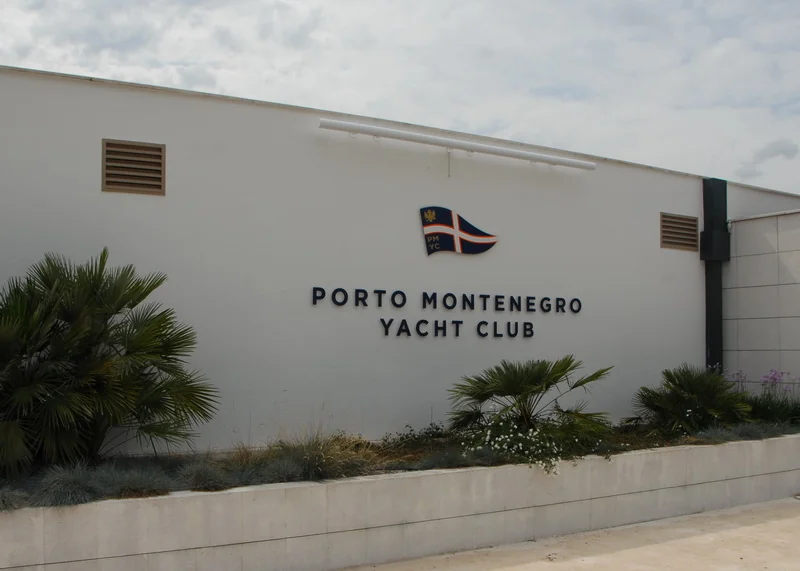
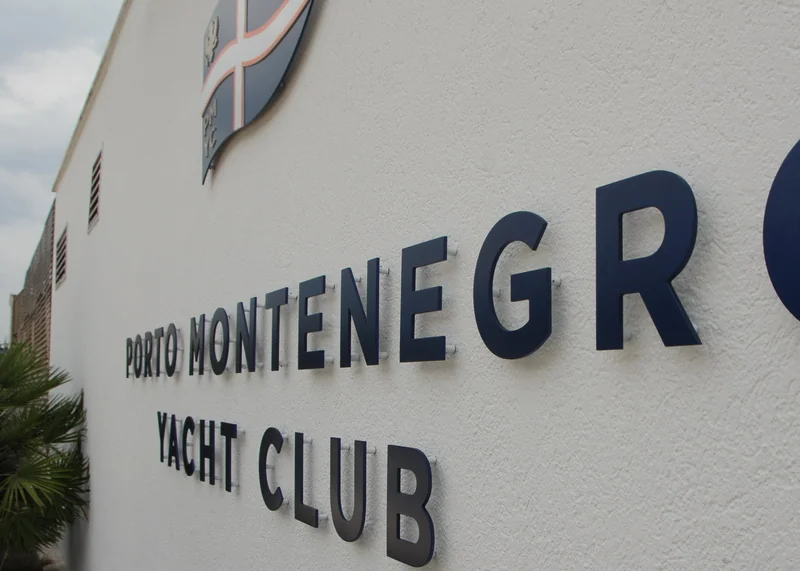
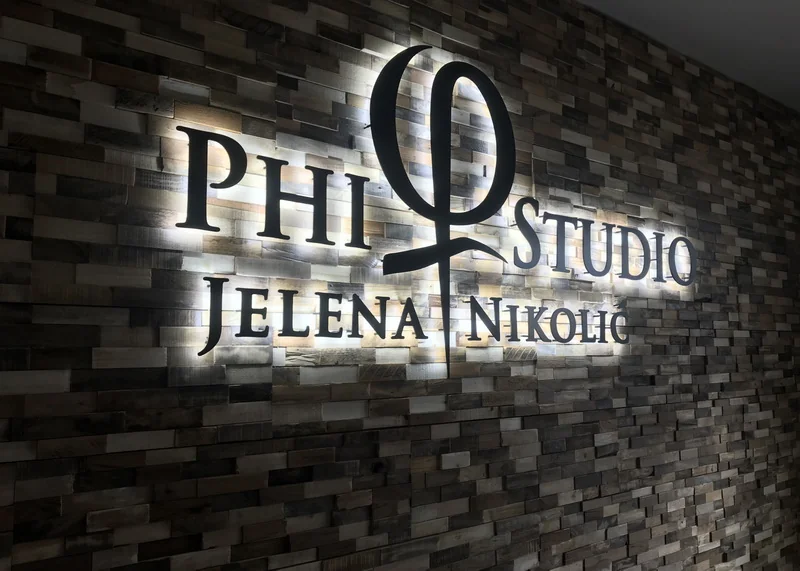
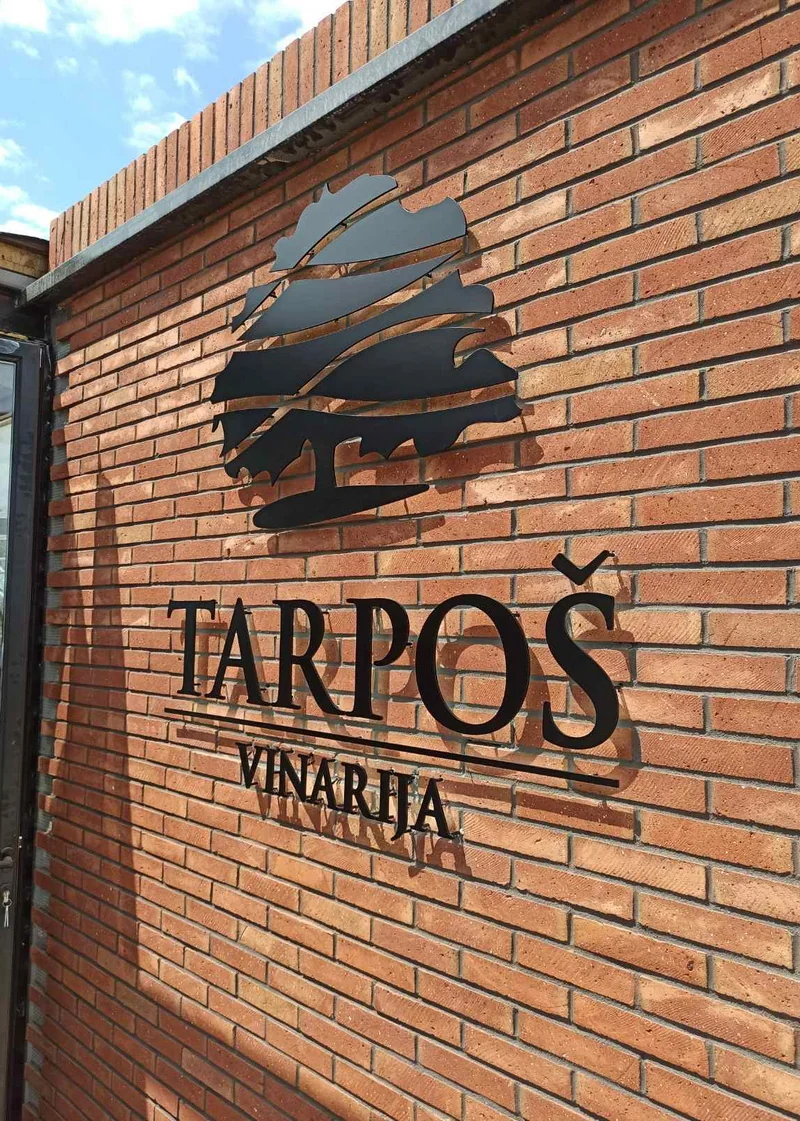
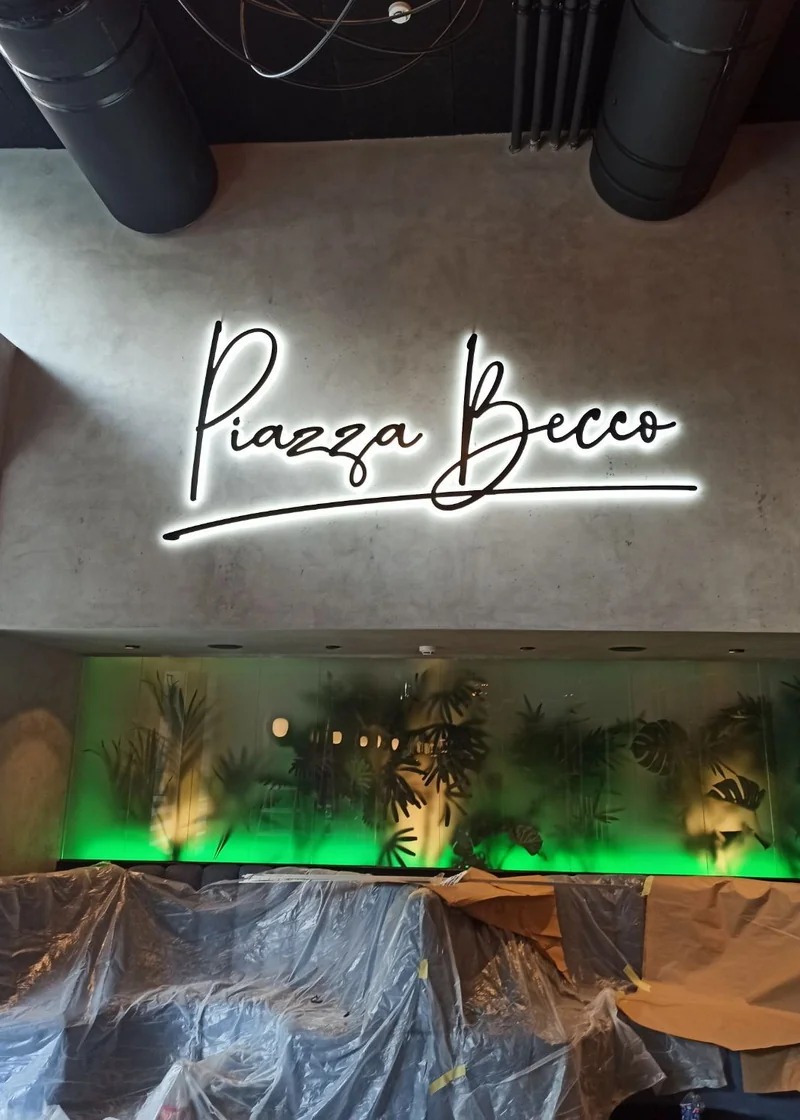
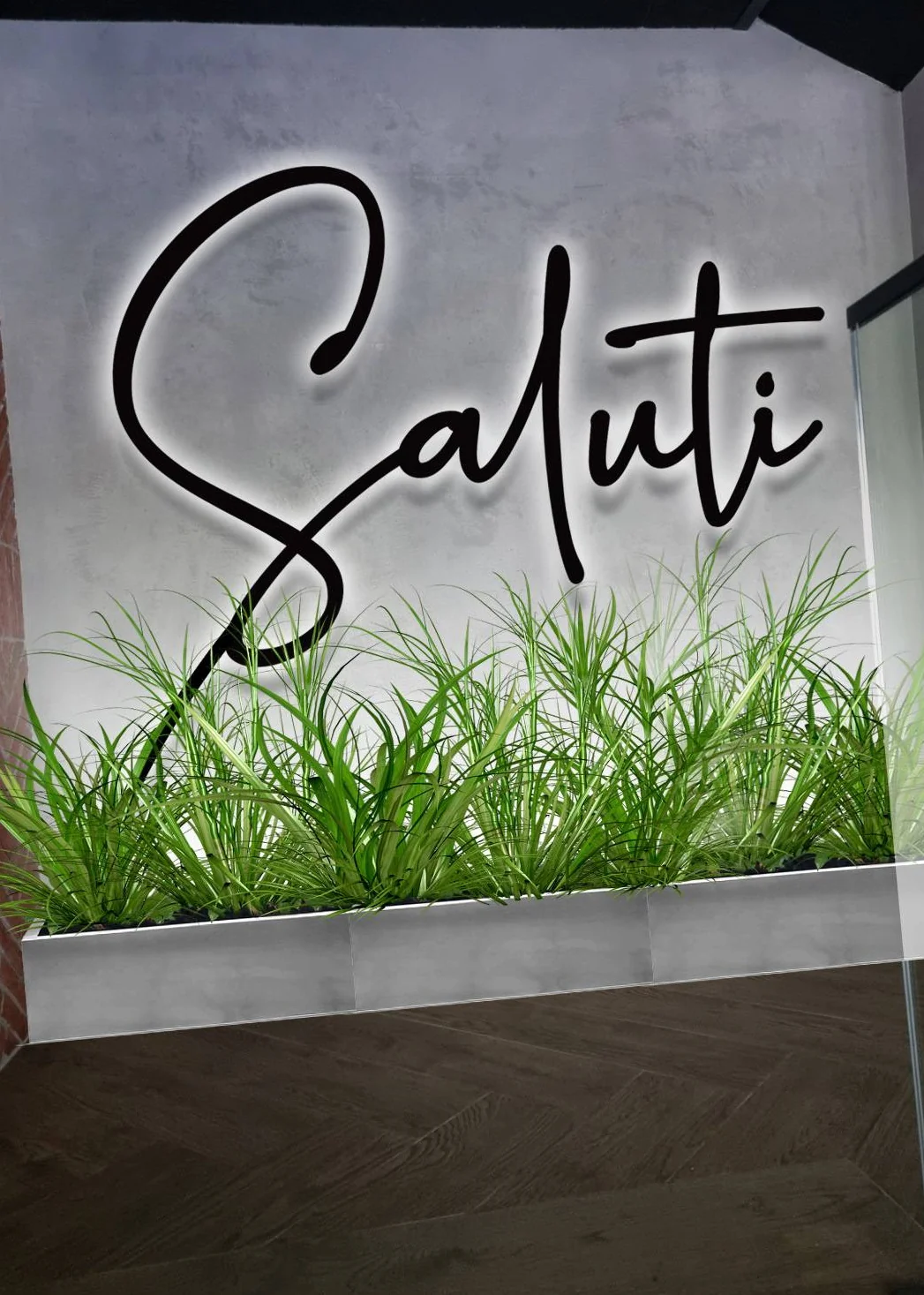
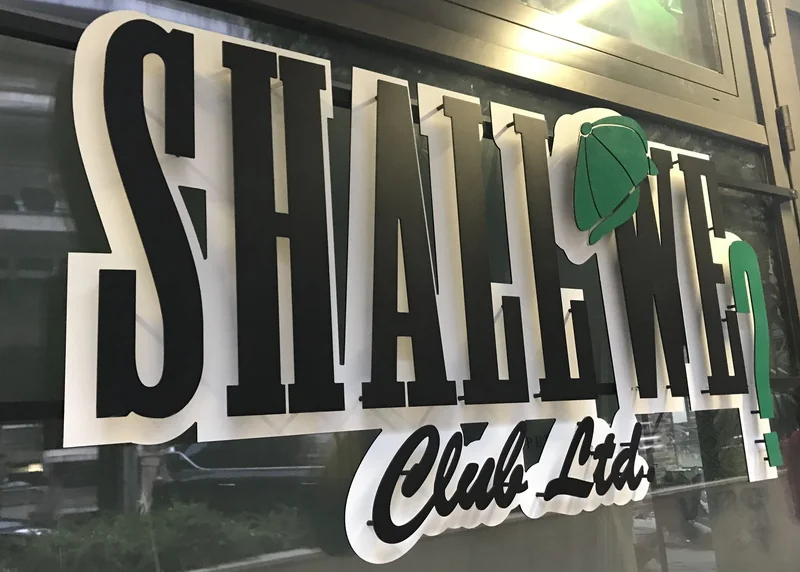
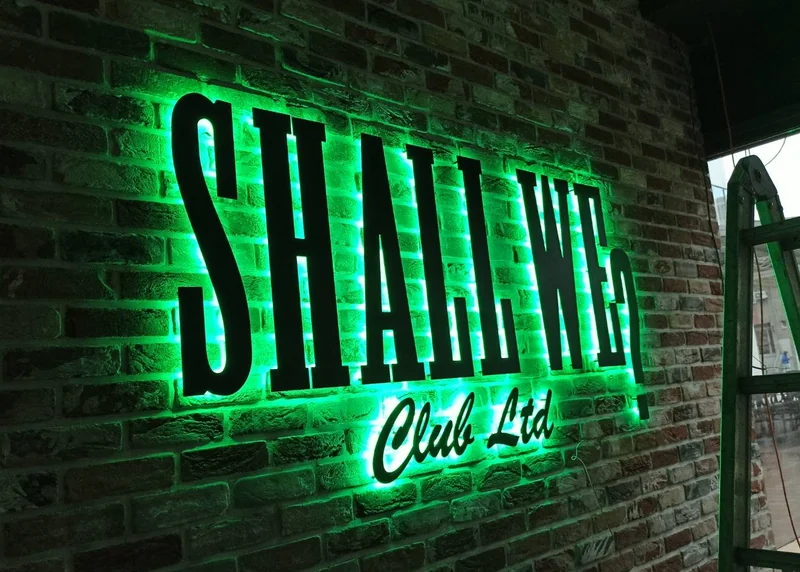
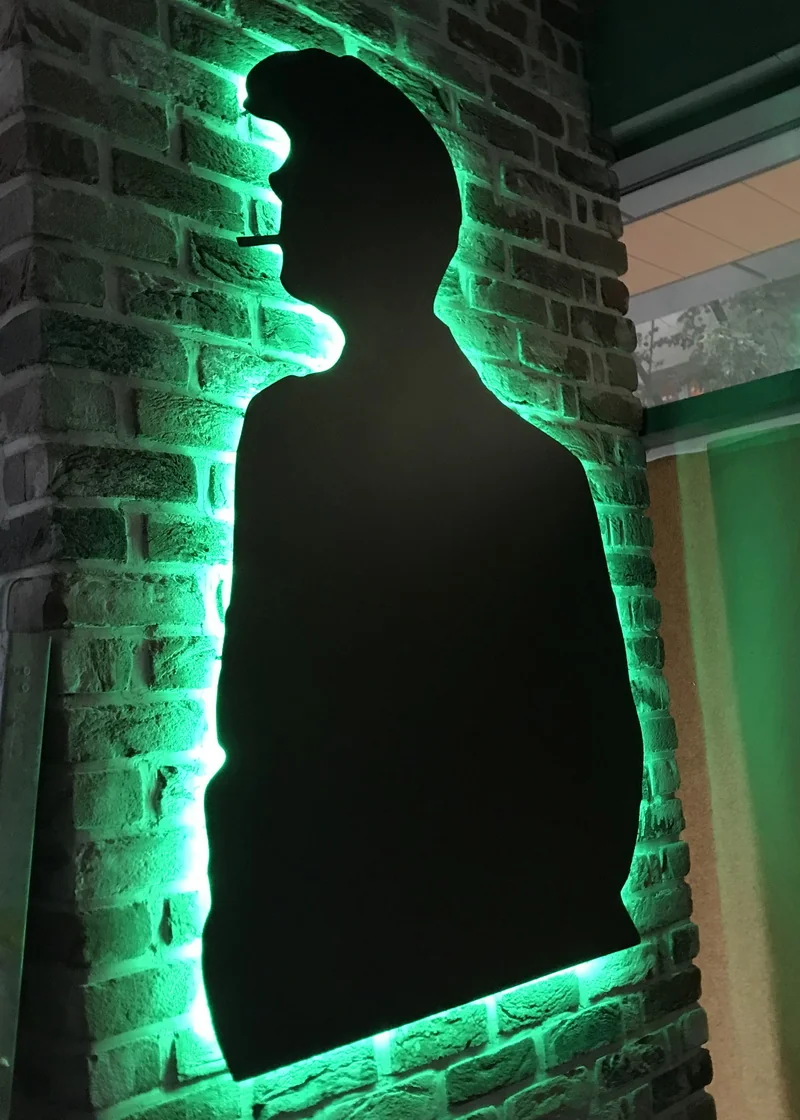
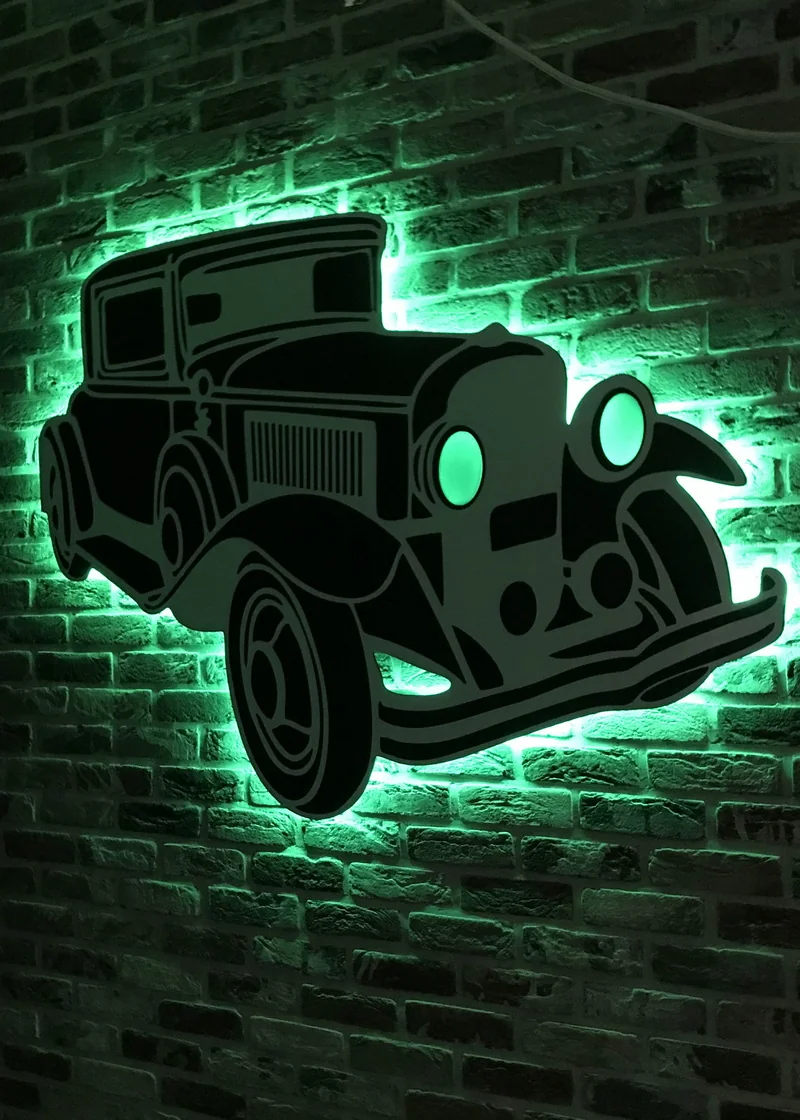
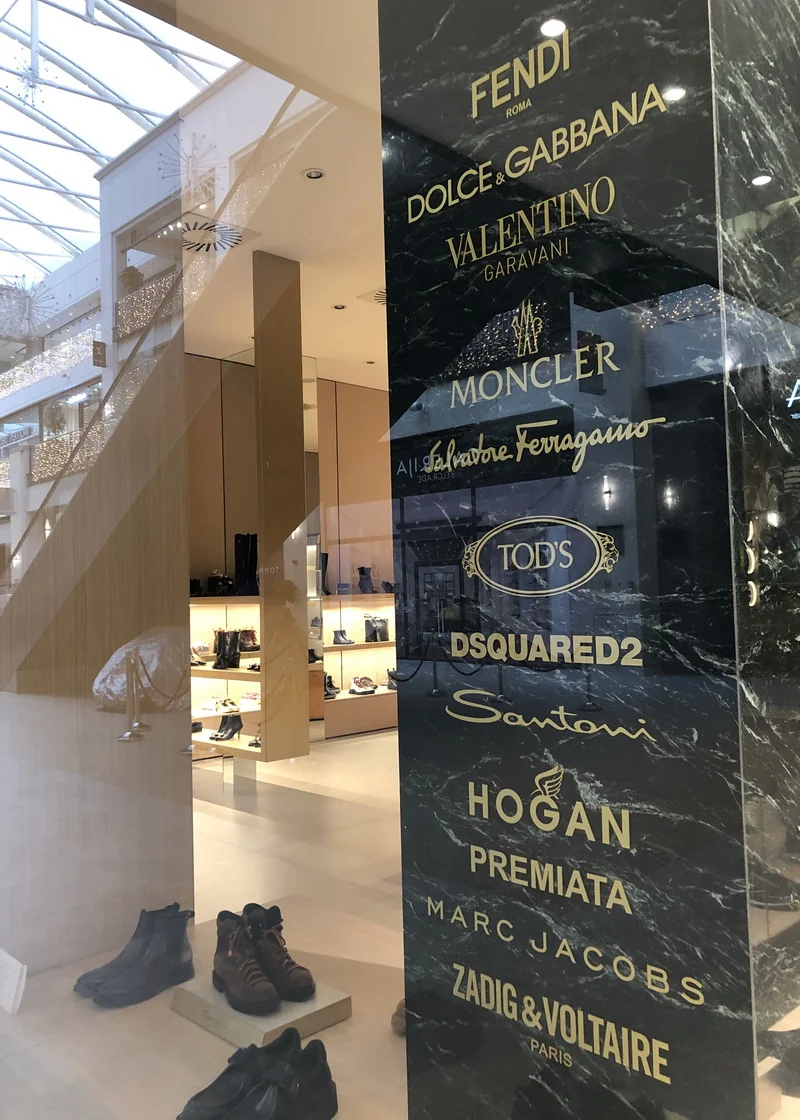
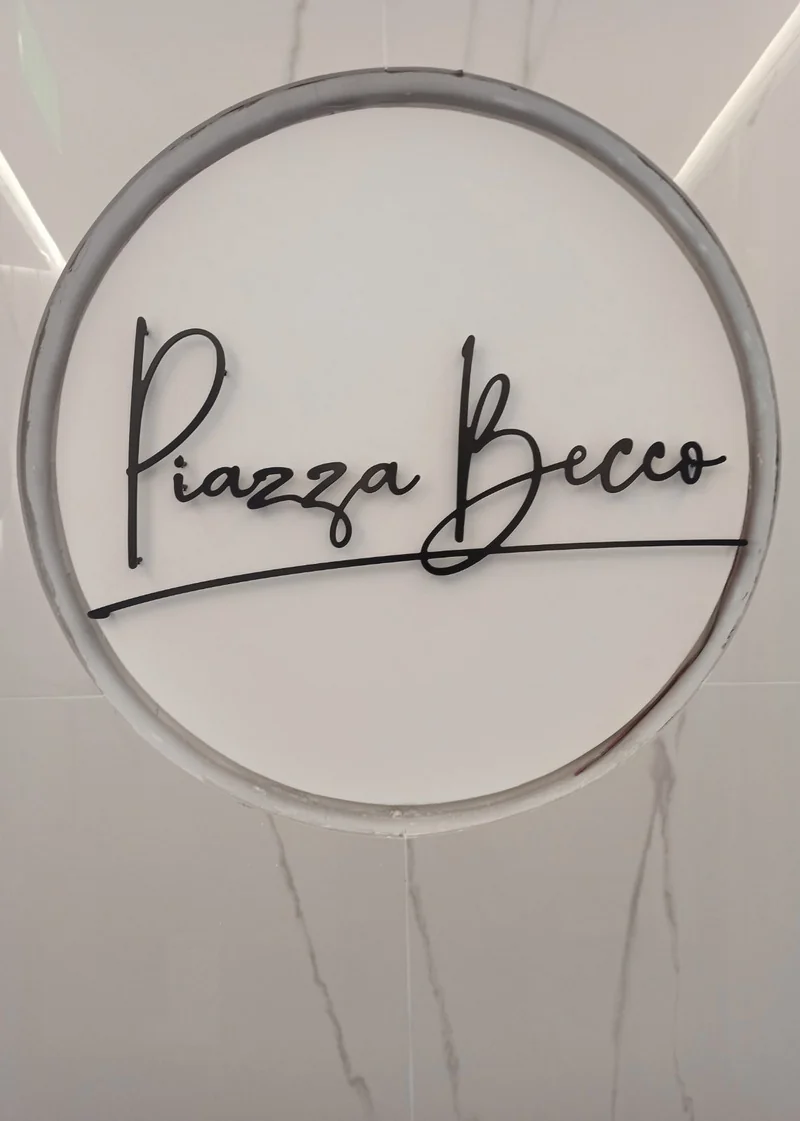
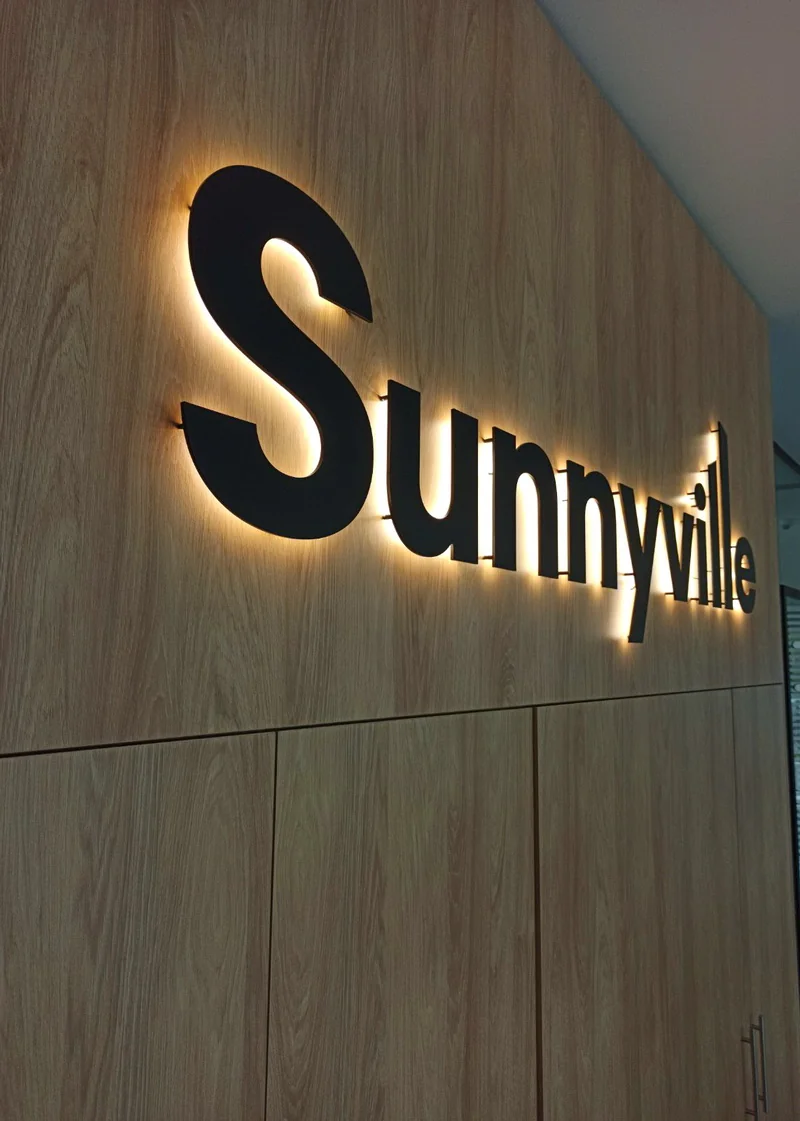
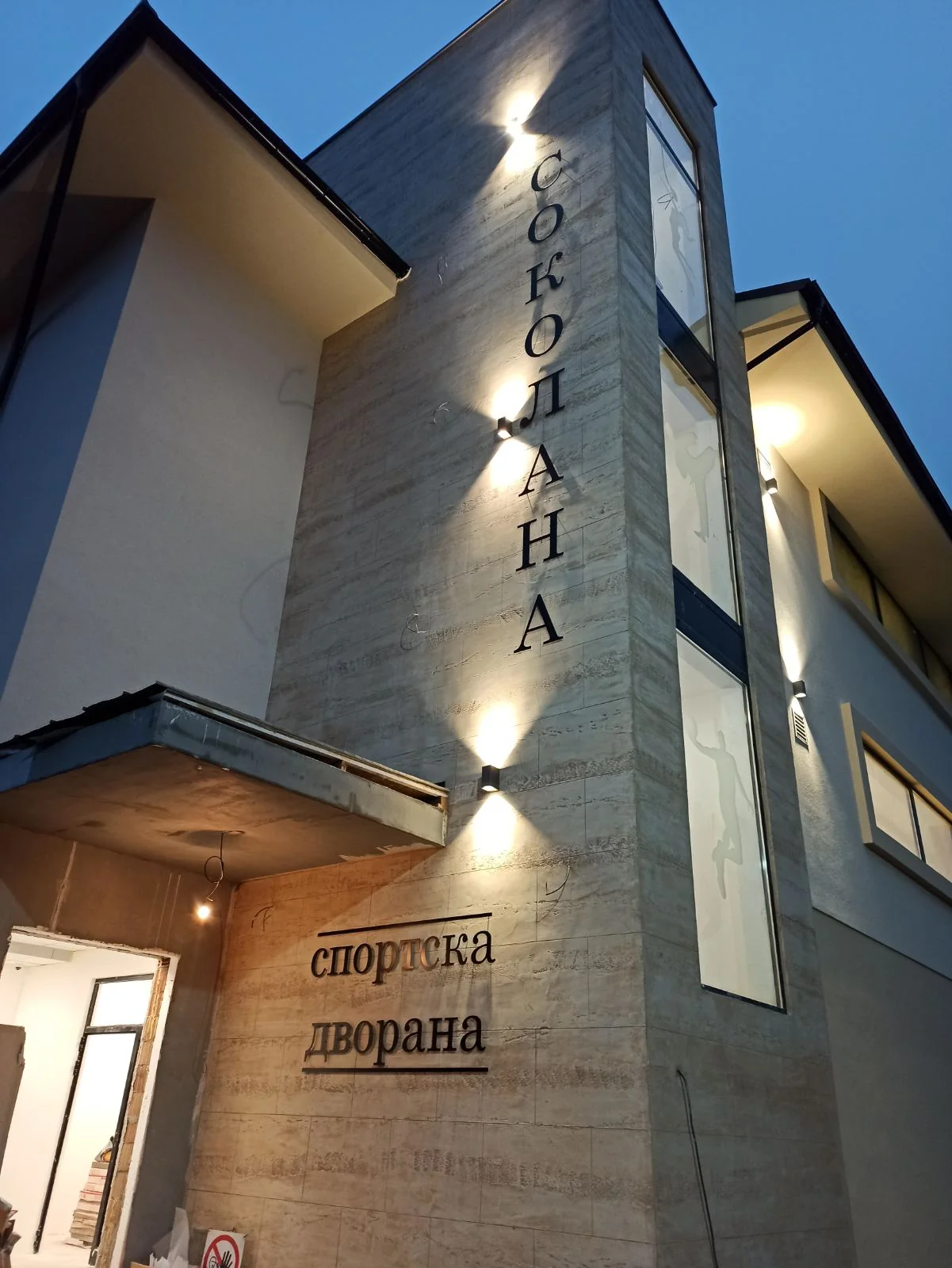
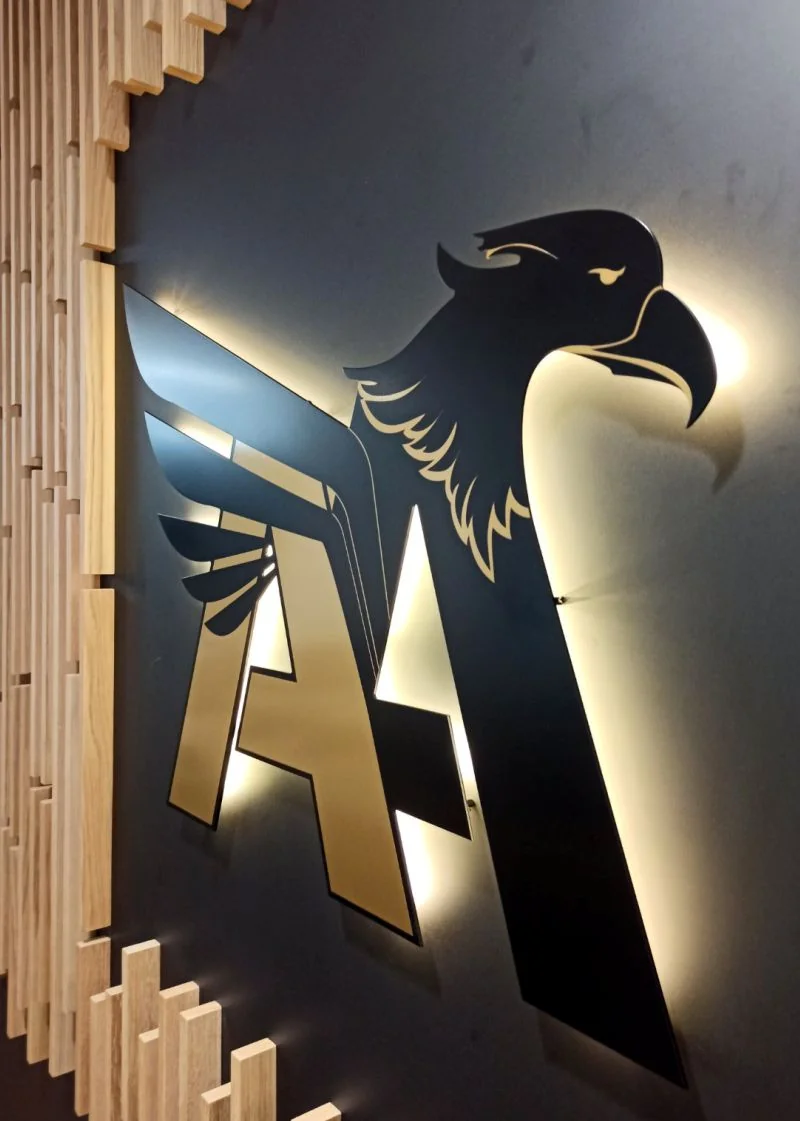
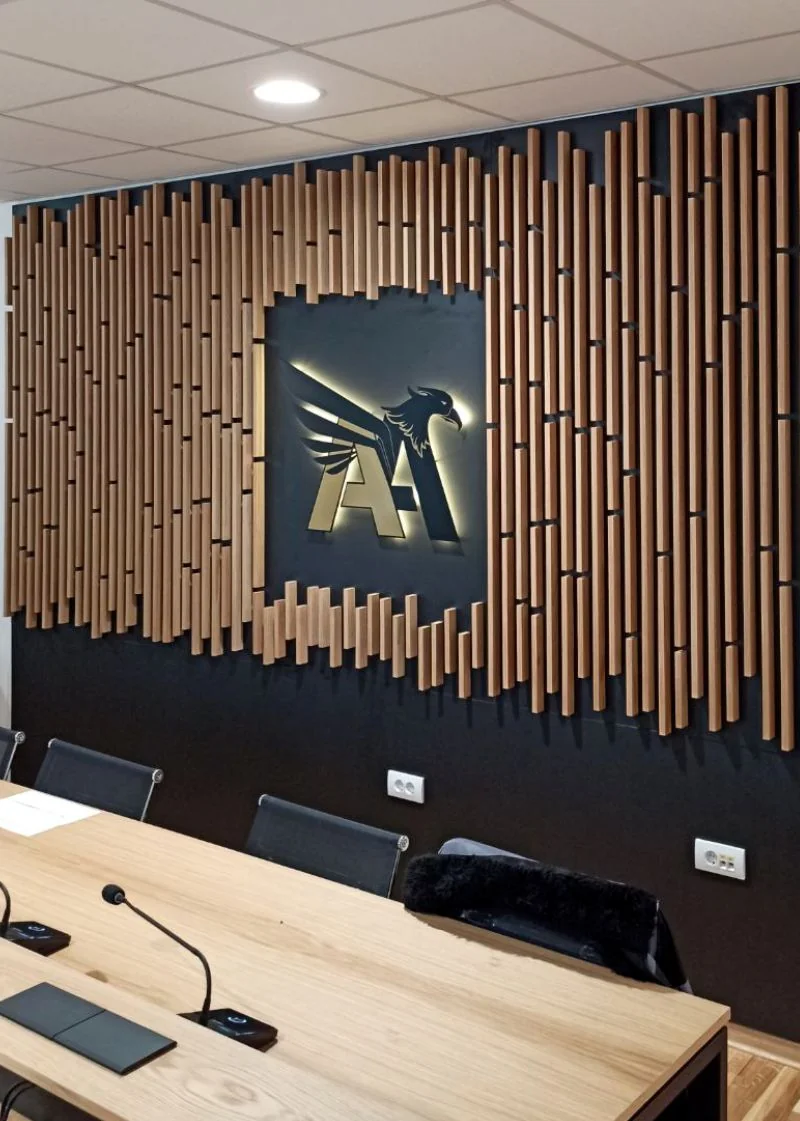
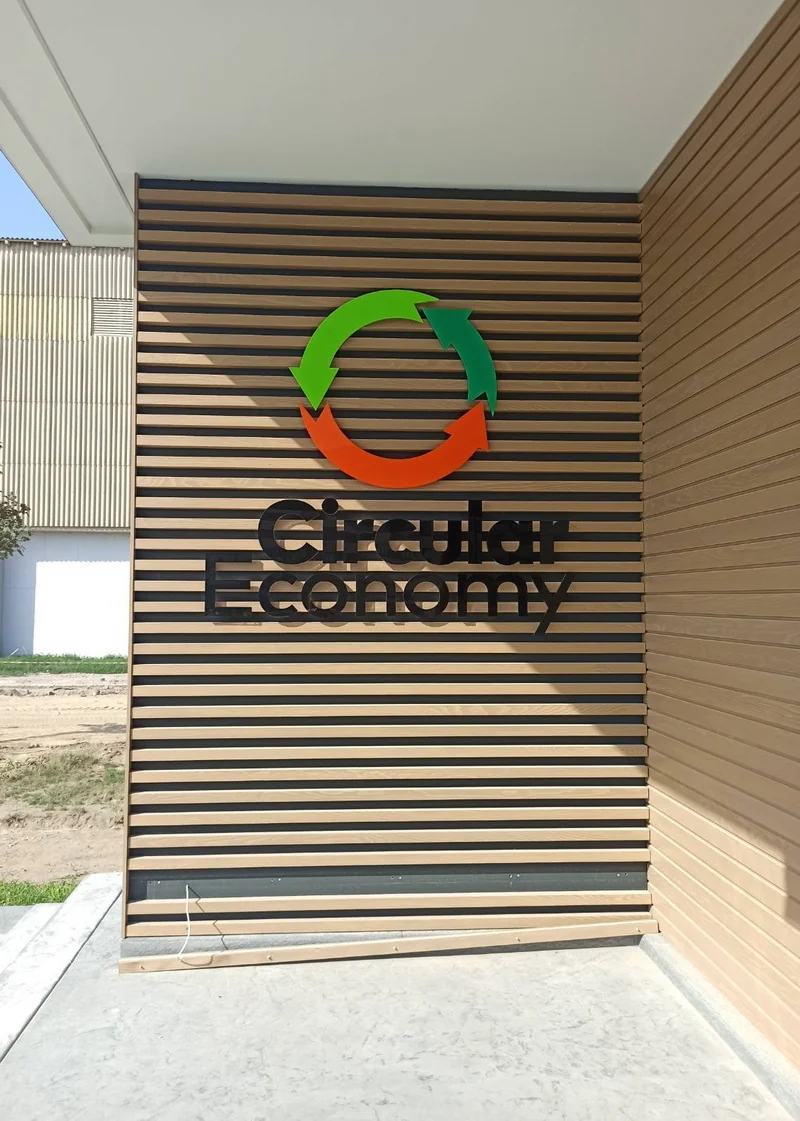
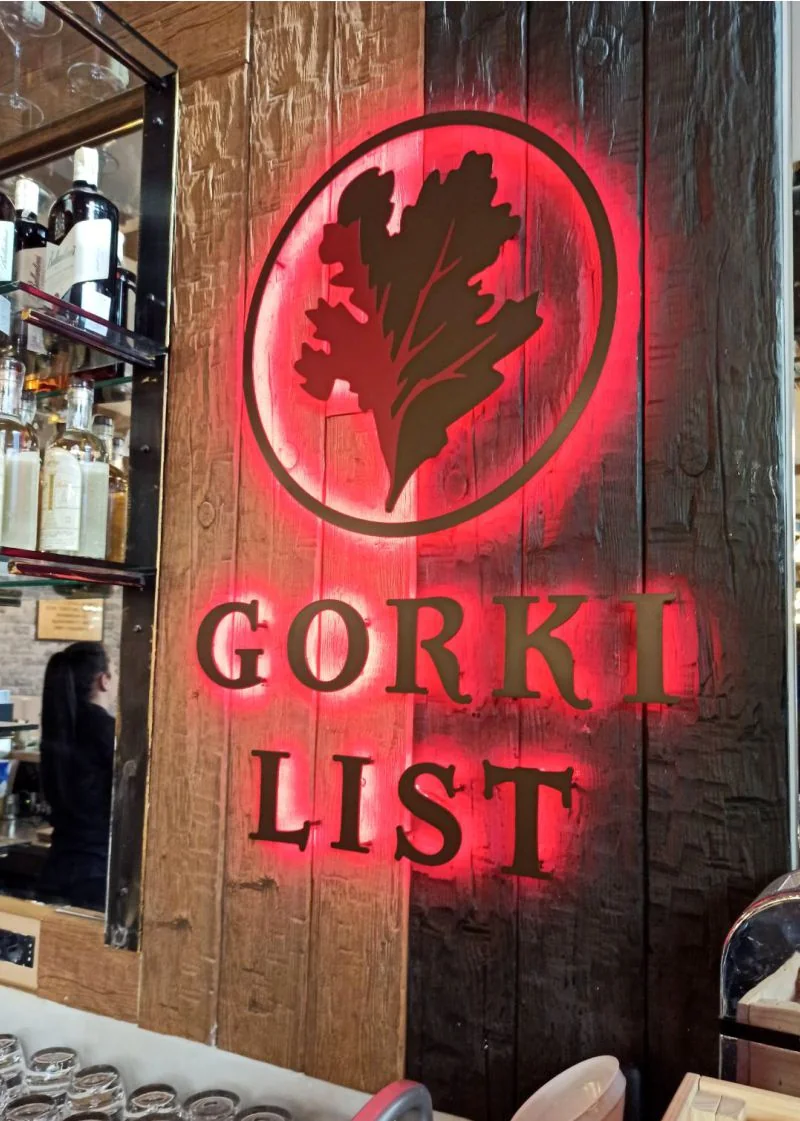
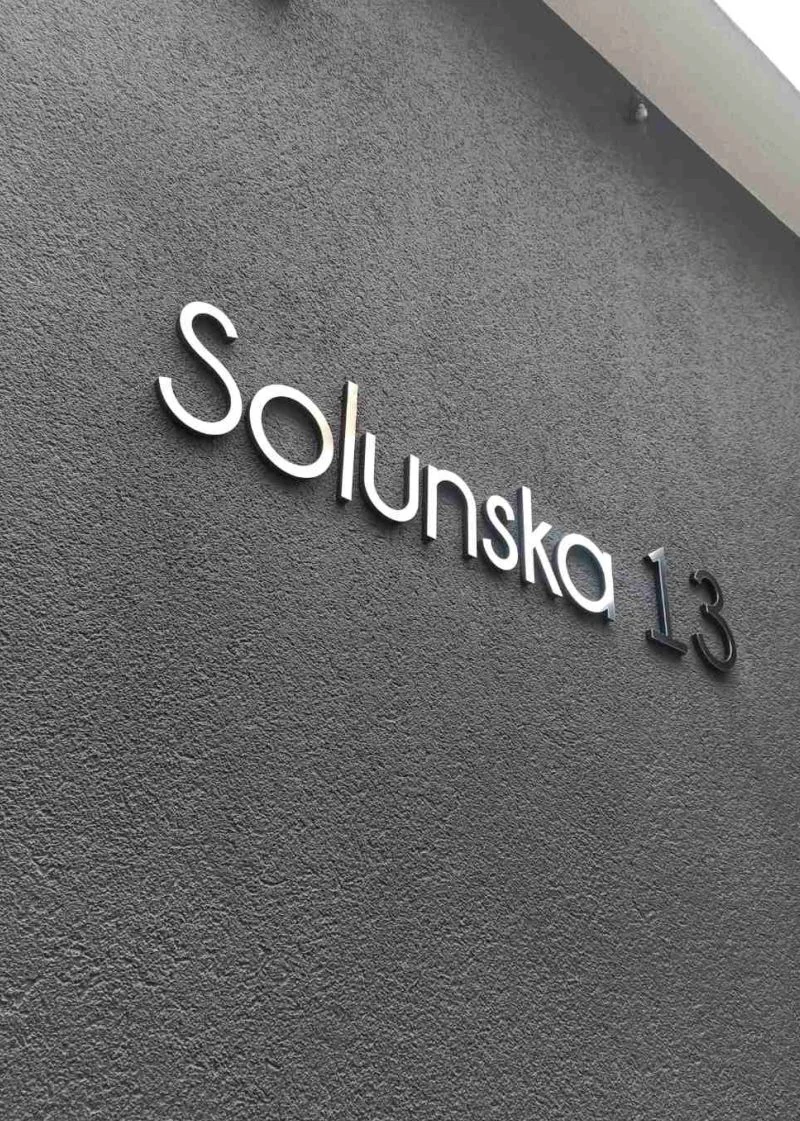
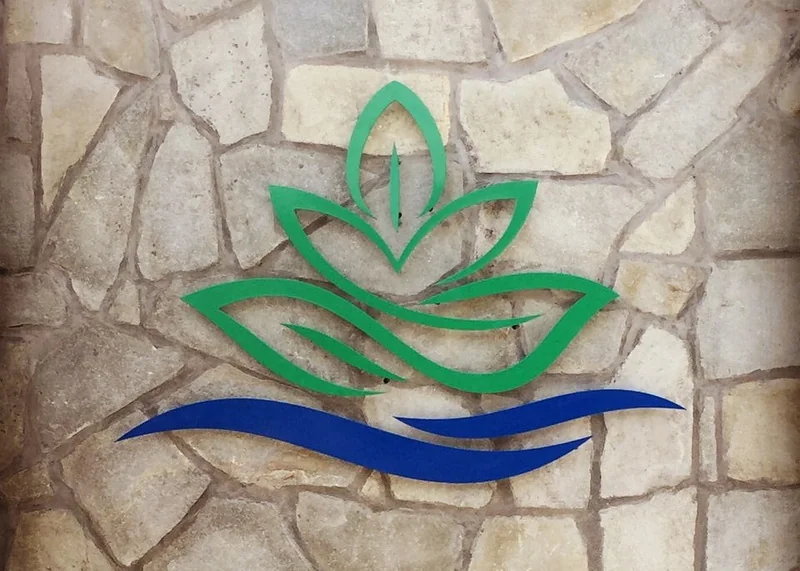
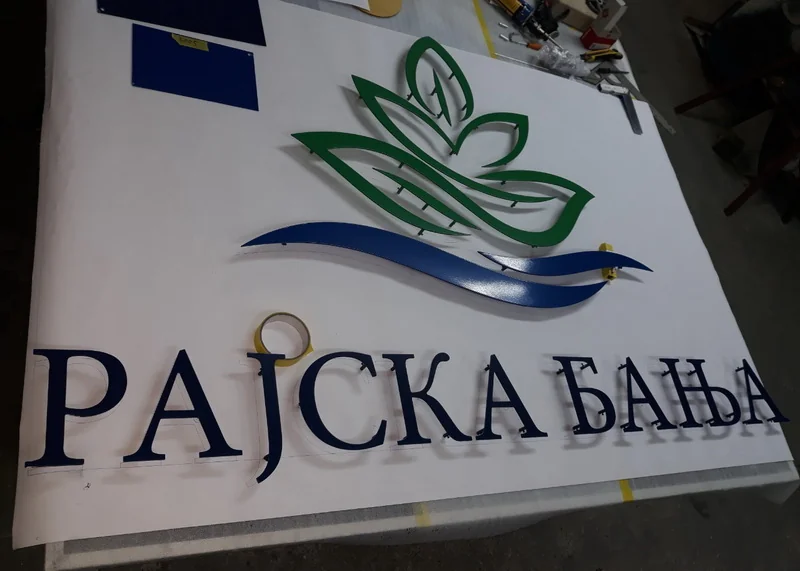
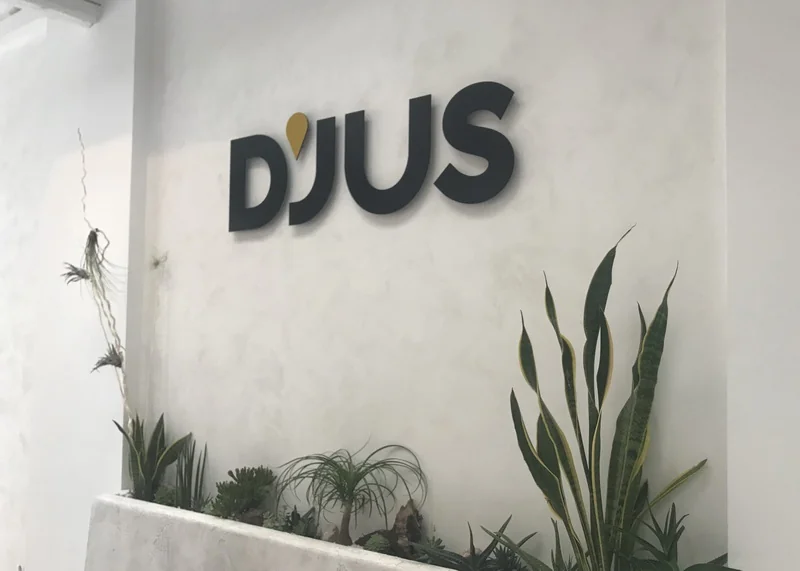
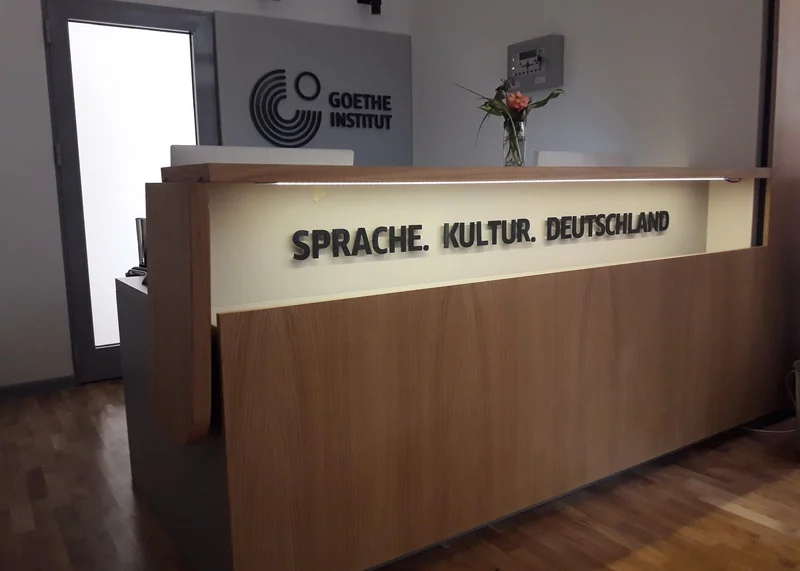
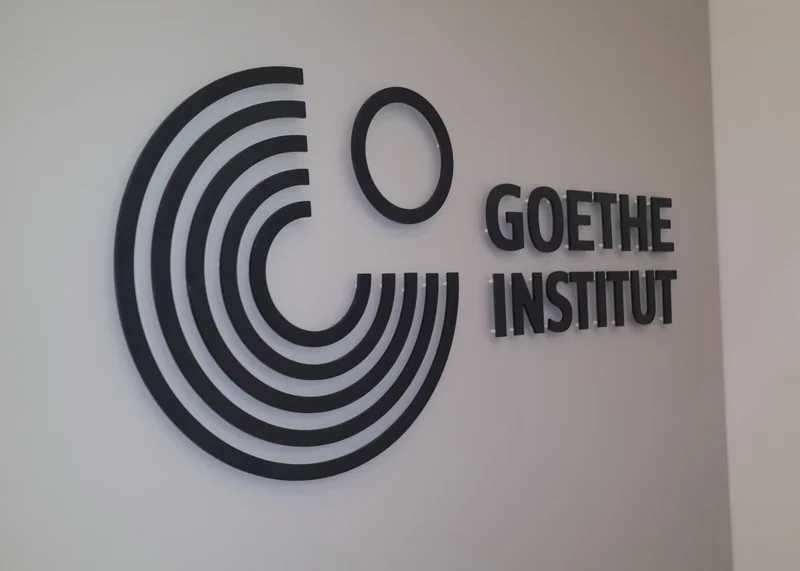
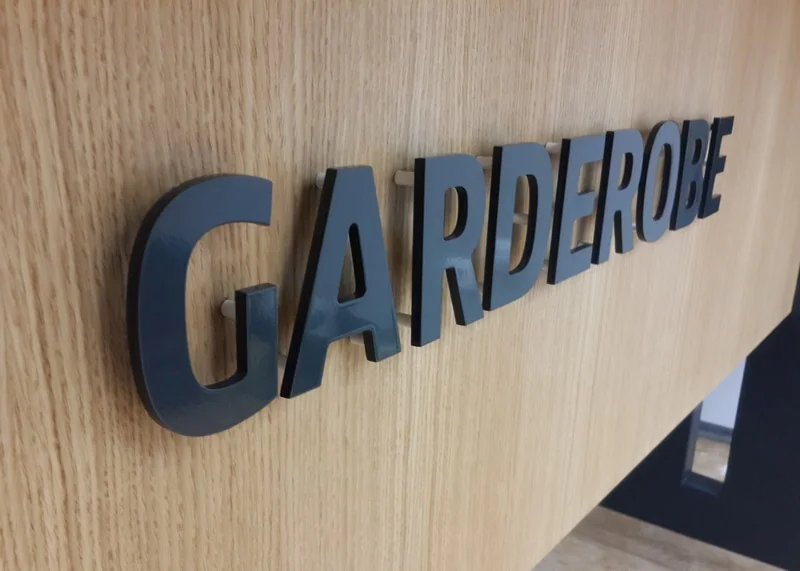
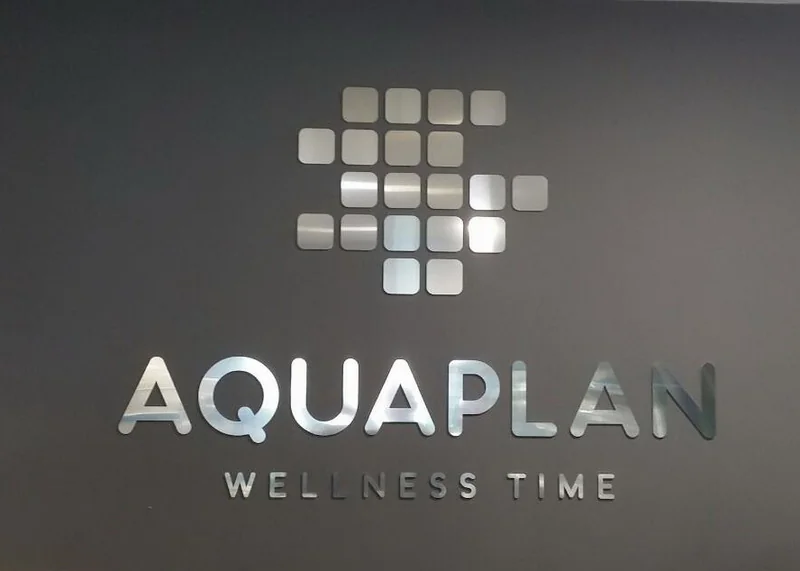
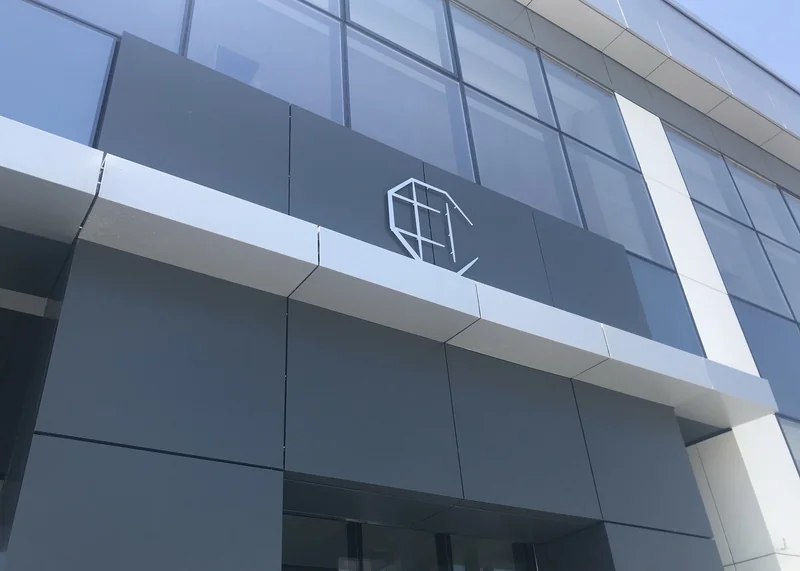
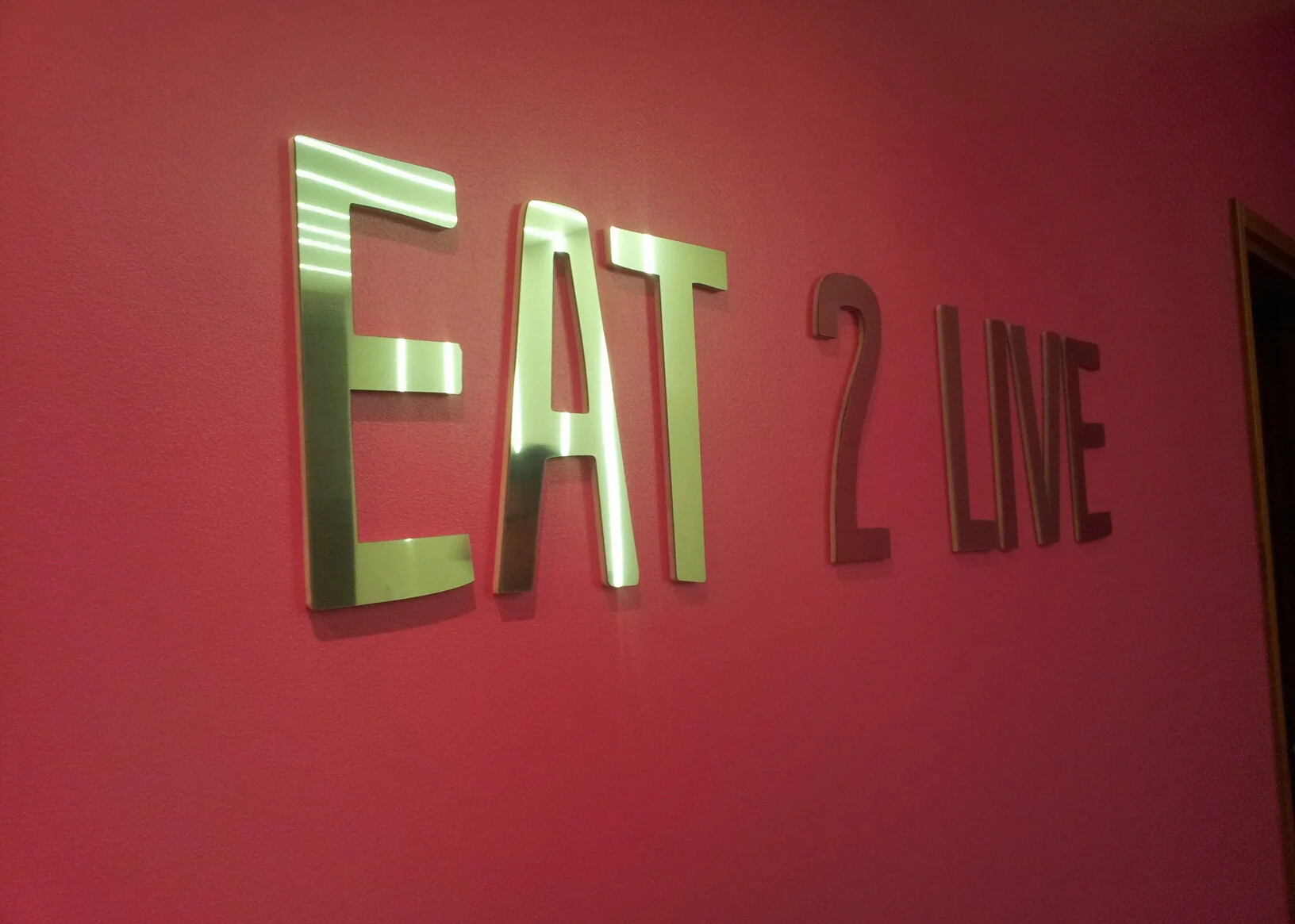
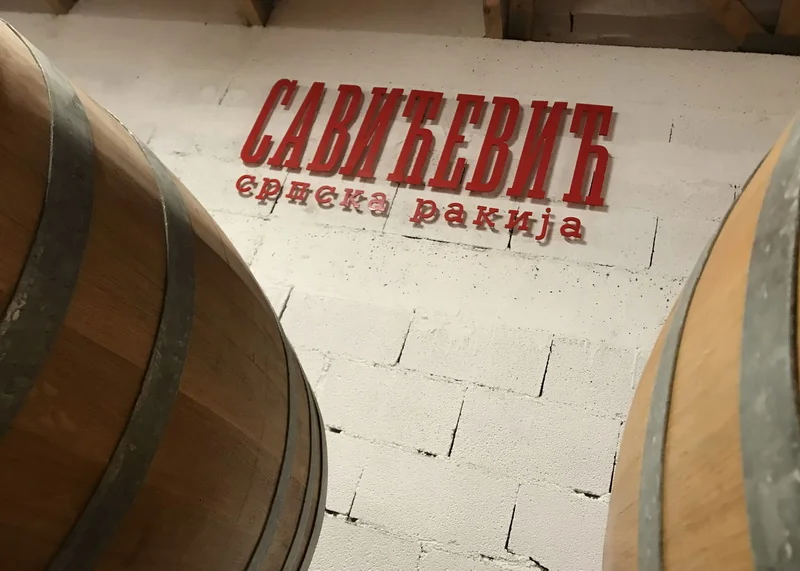
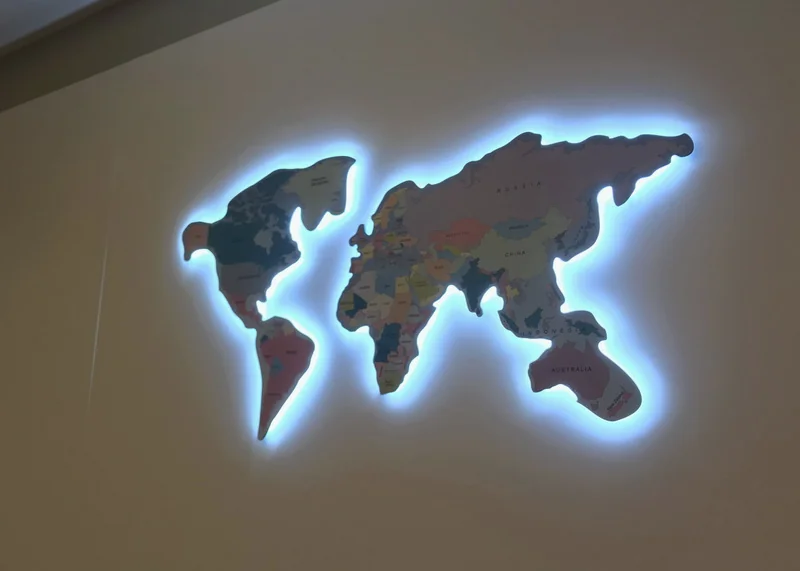
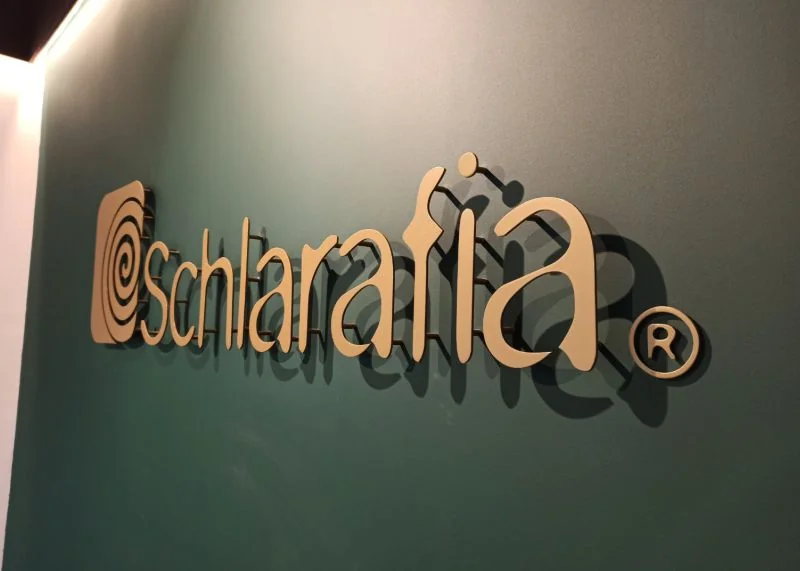
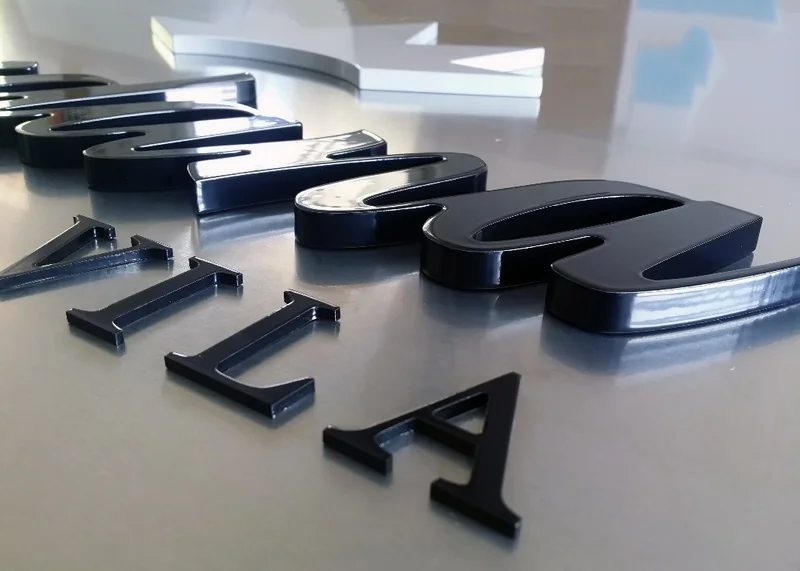
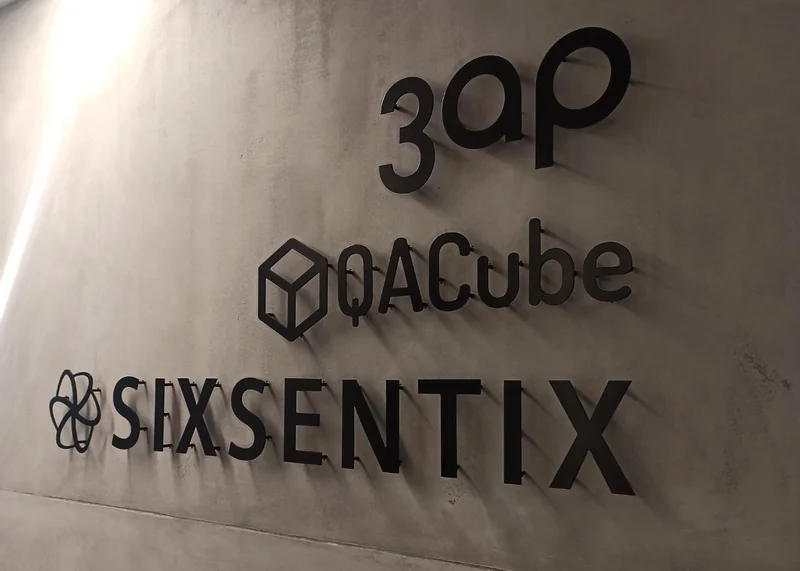
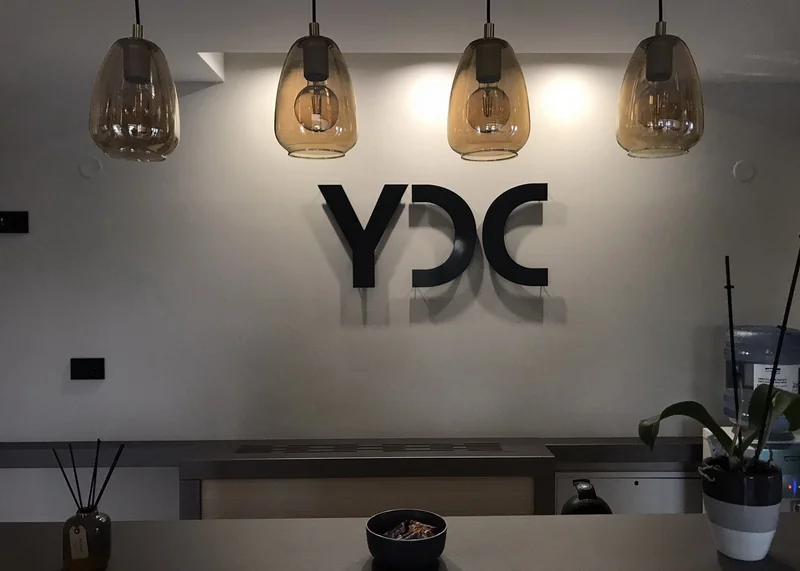
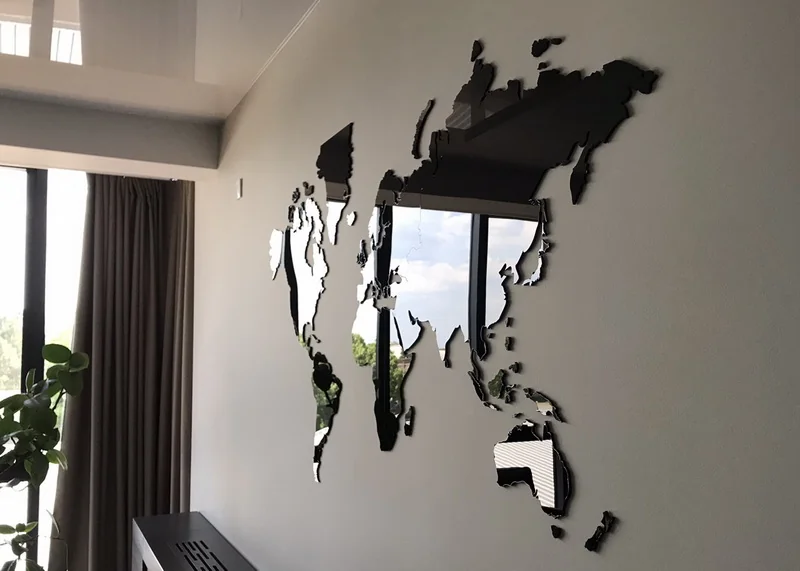
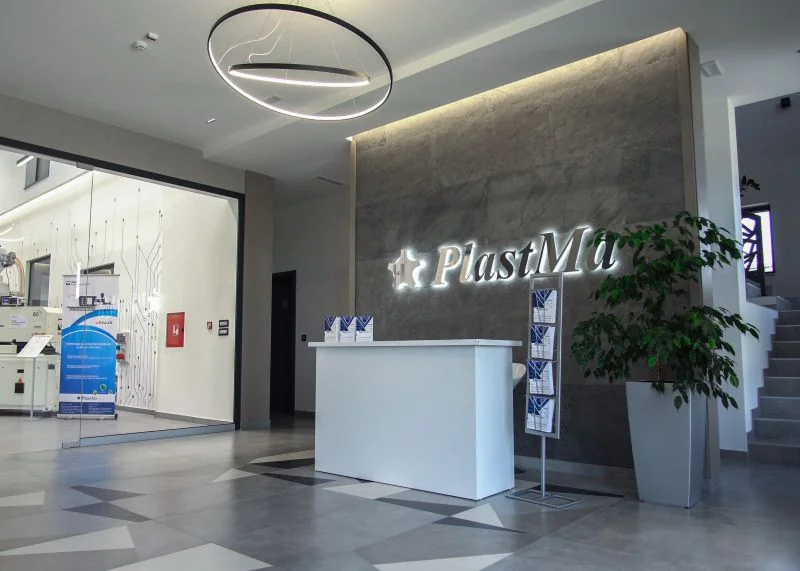
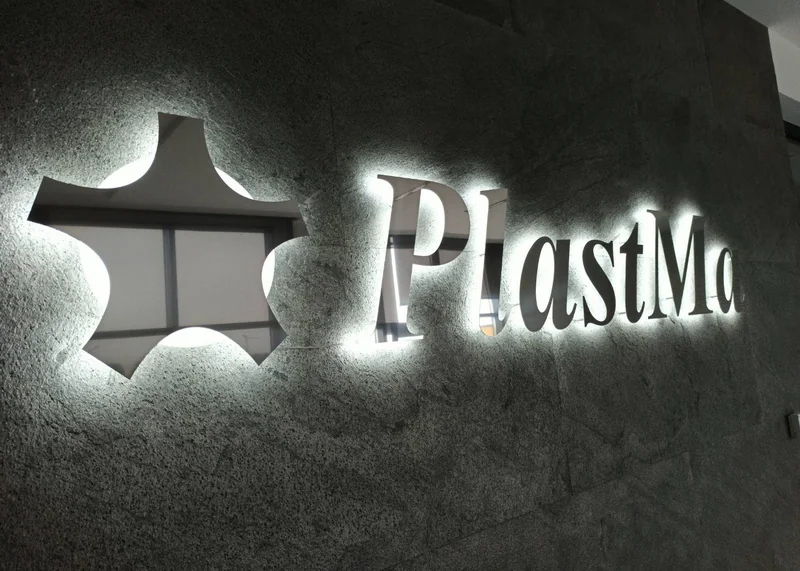
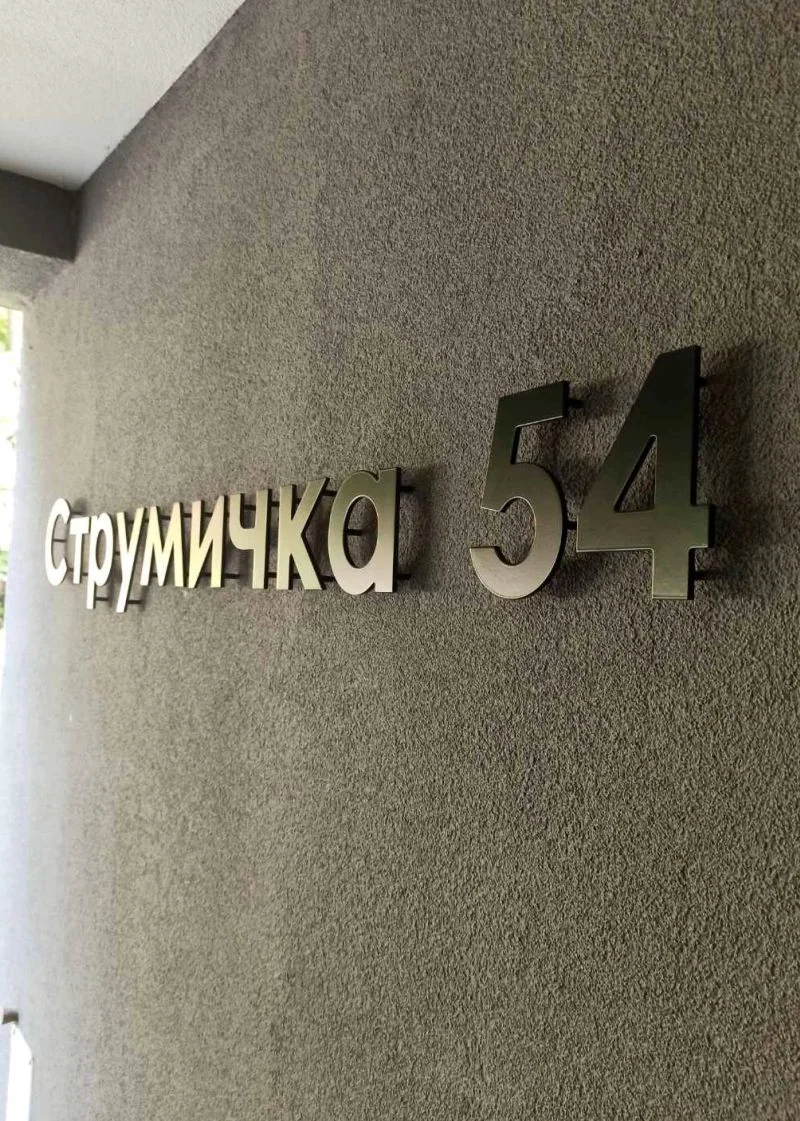
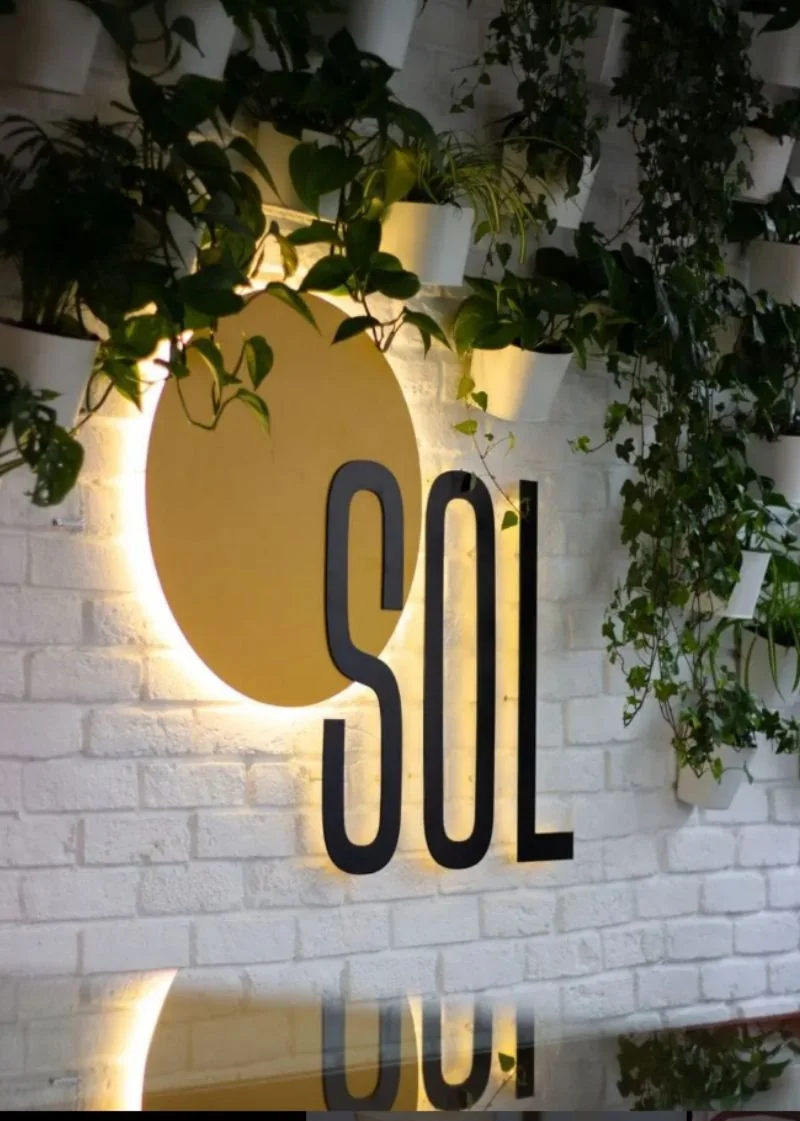
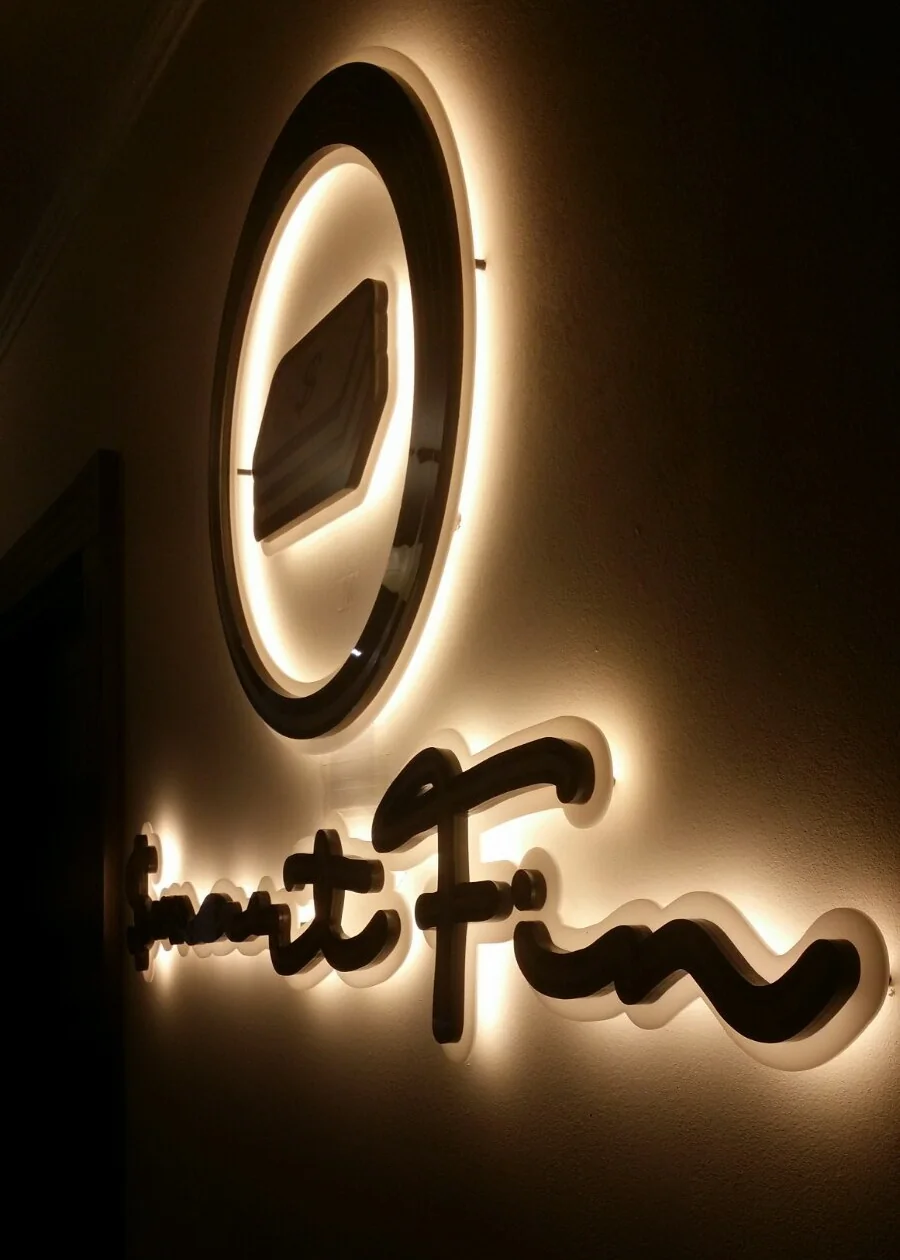
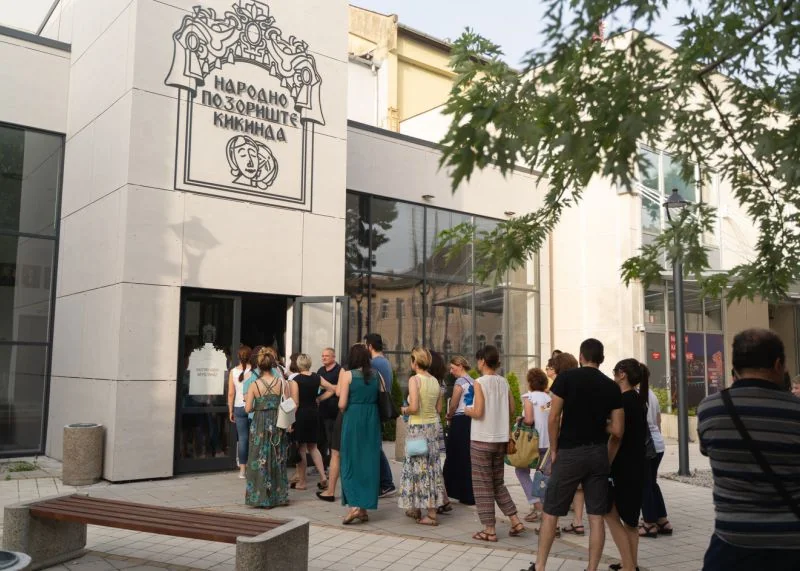
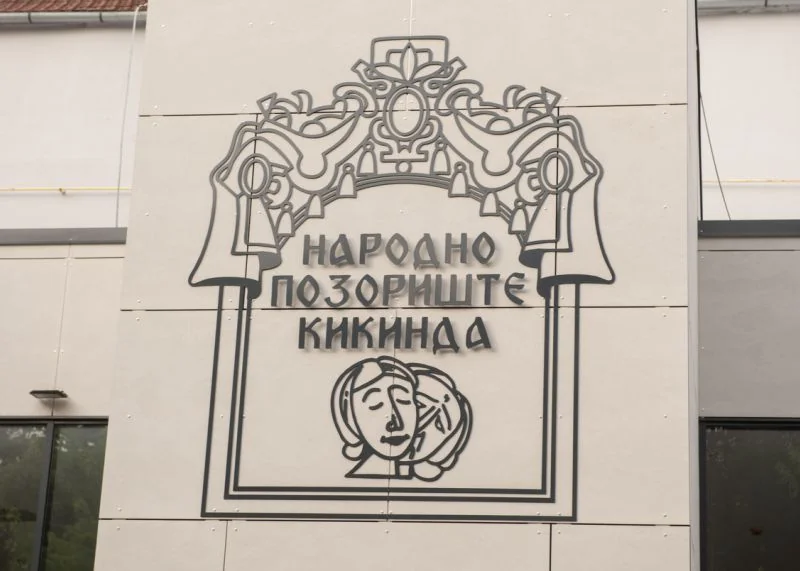
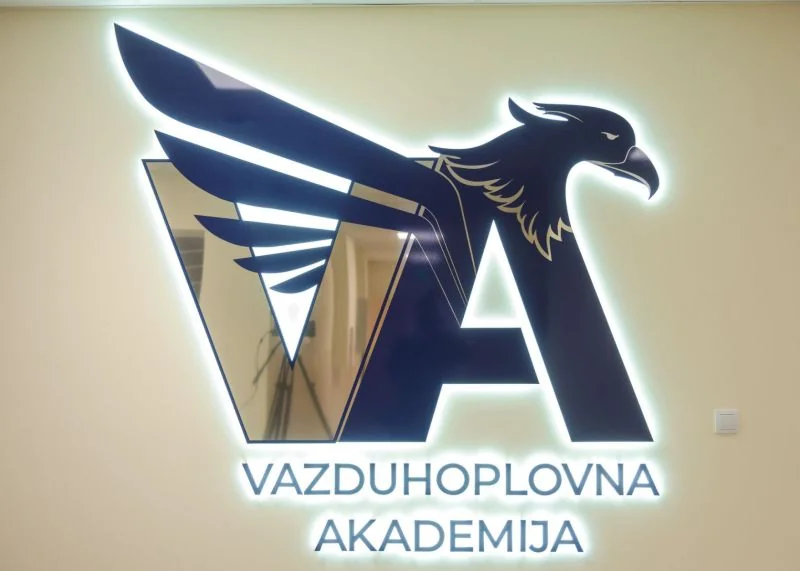
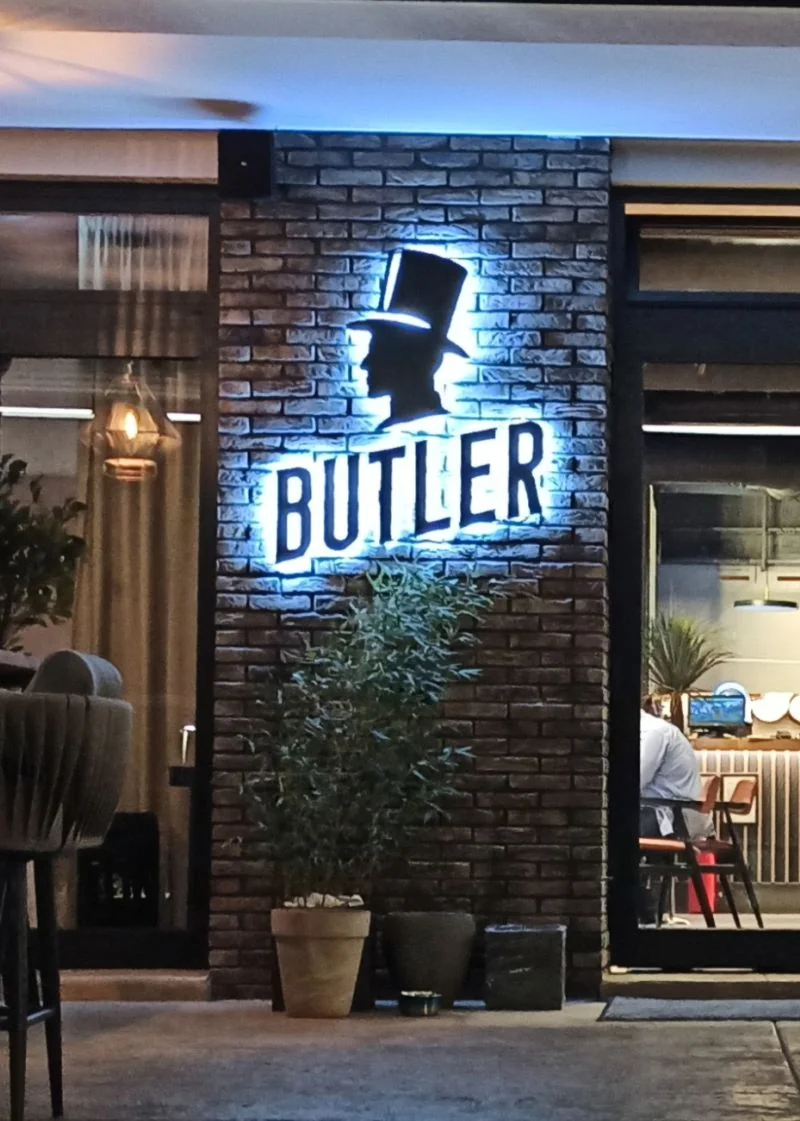
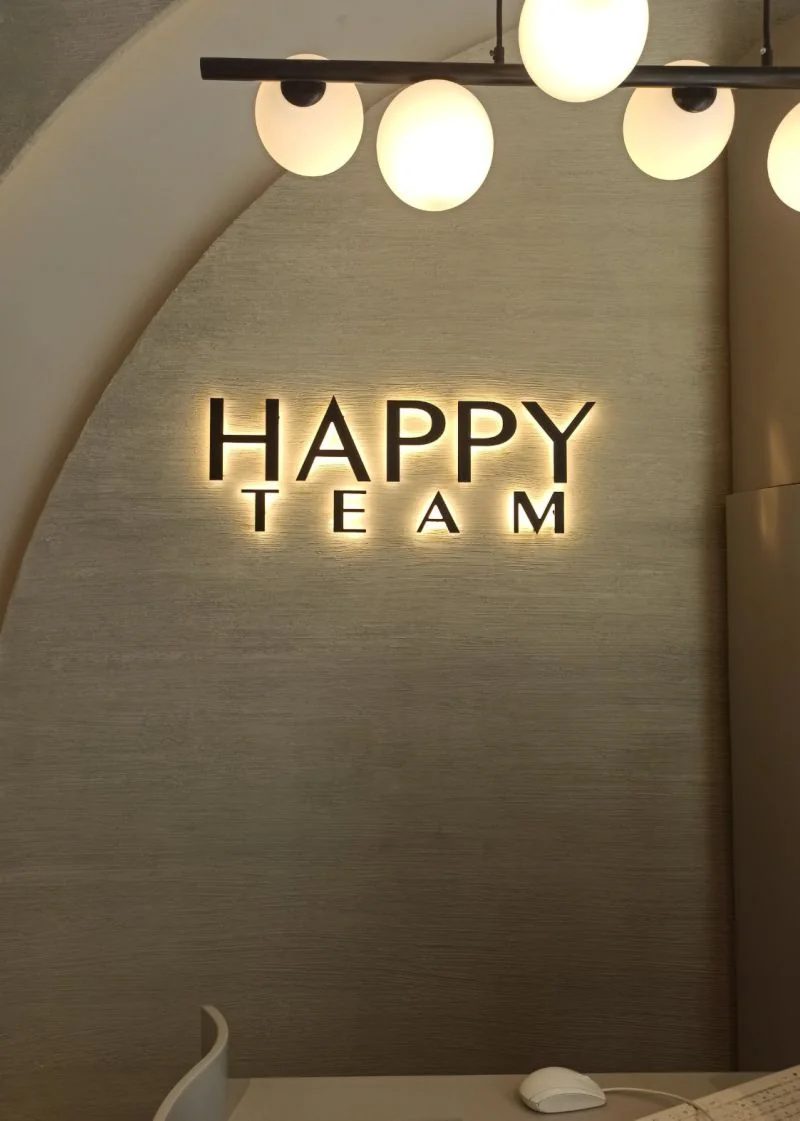
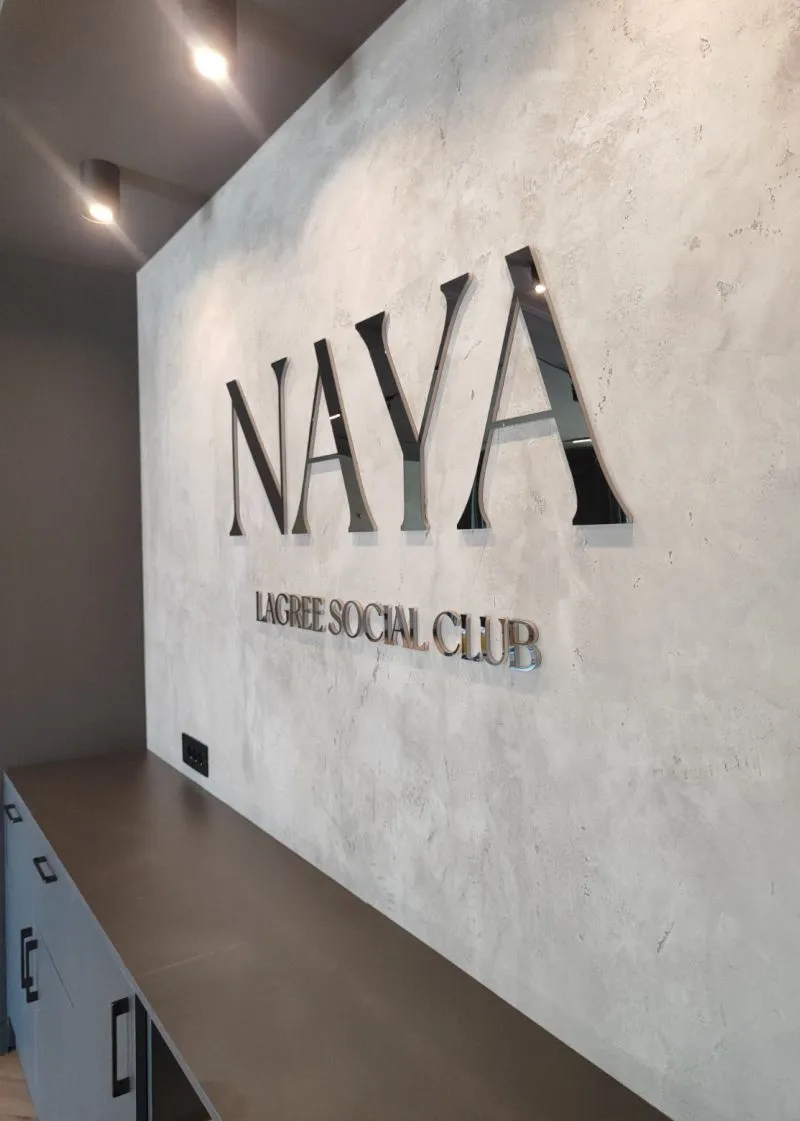
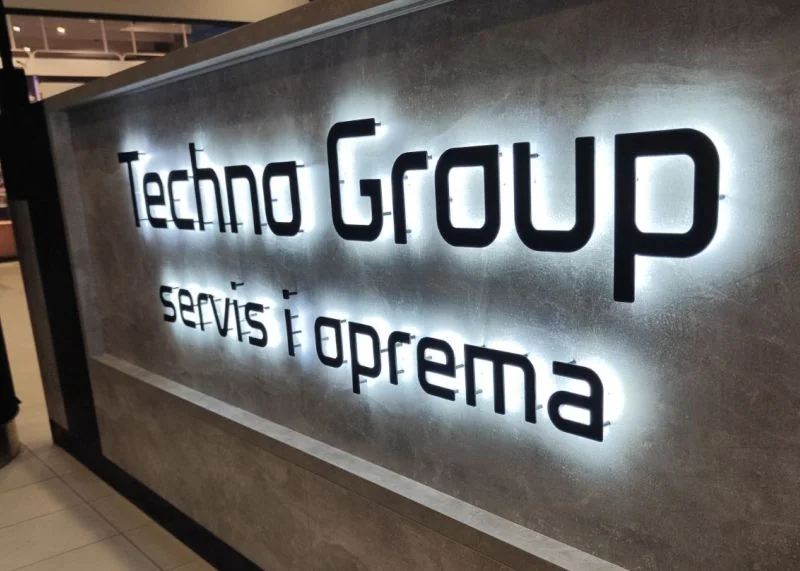
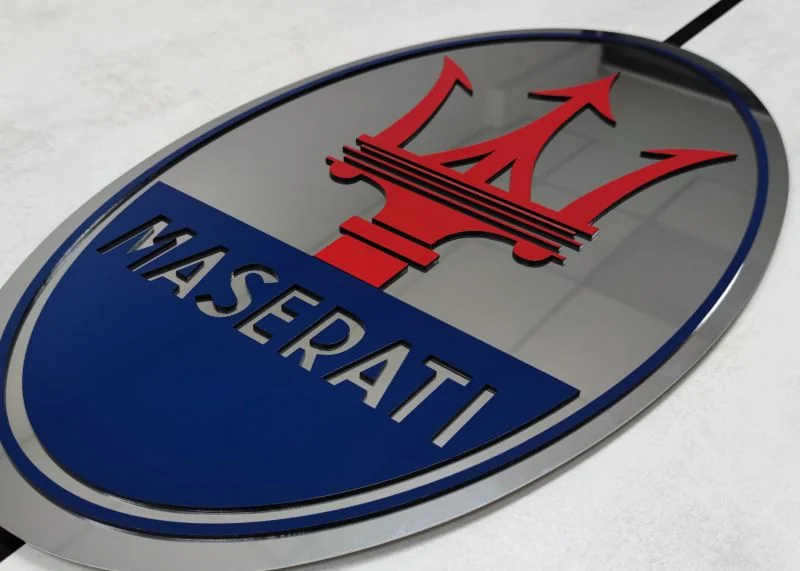
Metaling DOO Belgrade produces flat-cut signs and metal signs from stainless steel, brass, bronze and aluminium. Each inscription is made according to the artwork, dimensions and requirements of the object, with the possibility of choosing the material, finishing and mounting method.
This technology enables the creation of elegant and minimalist signs for business premises, offices, hotels, restaurants, sales facilities and public institutions. flat-cut inscriptions can be placed directly on the substrate or on spacers, which achieves different visual effects.
The choice of materials and surface treatment determines the appearance of the sign, its suitability for interior or exterior use, maintenance requirements and the overall cost of production.
What are flat-cut signs and how do they differ from 3D letters?
Flat-cut signs are made from flat plates of appropriate thickness. An inscription, logo or graphic form is formed by precisely cutting the material along the contour, without the need to create a separate body of each letter.
Unlike classic 3D sign letters, where the spatial shape is obtained by connecting the front surface, sides and back, flat-cut letters have a simpler, more compact construction.
Although they do not have individually shaped sides, their actual thickness, finish and method of attachment affect the three-dimensional appearance of the lettering.
When mounting via spacers, the letters are raised from the surface of the wall, which further emphasizes the contours and shadows. Direct mounting allows a flatter and visually reduced appearance.
The choice between flat-cut inscriptions and spatial 3D letters depends on the dimensions, design, required depth, lighting method and desired visual effect.
Flat-cut signs - Materials for production
Metaling makes flat-cut signs from various metals, including stainless steel, brass, bronze and aluminium. Each material has a characteristic appearance, processing capabilities, and protection and maintenance requirements.
Flat-cut stainless steel signs
Flat-cut letters made of stainless steel are used when a modern, elegant or technically precise look of the sign is desired. Stainless steel allows the production of signs with different surface finishes.
Depending on the desired visual effect, sanded or polished surfaces can be used. Brushed stainless steel has a characteristic texture with directed processing marks, while polished stainless steel can have a pronounced reflective effect.
Stainless steel signs are used in business premises, hotels, restaurants, public facilities and other locations where a neat and presentable appearance is important.
For outdoor use, it is necessary to select the appropriate type of stainless steel and finish according to the environmental conditions. Corrosion resistance depends on material quality, environment and maintenance.
Flat-cut brass signs
Brass flat-cut signage features a distinctive golden yellow metal tone, often used for elegant and representative signage.
Brass is suitable for making letters, logos, room signs, hotel signs and decorative elements. Depending on the design, the surface can be sanded, polished or processed to obtain a certain character of the finish.
The natural surface of brass can change its appearance over time due to oxidation and environmental influences. When you want to preserve a certain appearance, you need to provide an appropriate way of protection and maintenance.
Brass signs are especially interesting for interiors of hotels, restaurants, business premises and objects where the metal inscription fits with the architectural details.
Bronze flat-cut signs
Bronze flat-cut signs are used for inscriptions and decorative elements with a pronounced metal character. Bronze provides a different tone and surface effect compared to brass and stainless steel.
Depending on the specific alloy and finish, bronze surfaces can have different shades and textures. Treatments that emphasize the natural appearance of the metal or achieve a special decorative effect are possible.
Bronze signs can be used in representative business premises, hotels, cultural institutions and other facilities where the compatibility of the sign with the architectural solution is important.
The choice of material and the method of protection must be adapted to the conditions of use, especially when the sign is placed outdoors.
Aluminium flat-cut signs
Aluminium flat-cut signs are a practical solution for the production of metal signs and logos of various shapes. aluminium has a relatively low mass and enables various shaping and finishing processes.
Aluminium letters can be produced in a natural metallic finish or surface protected and painted according to project requirements.
One of the possibilities is powder coating with powder colours in shades according to the RAL colour chart, which allows the inscription to match the visual identity of the company or the colours of the interior and facade.
These signs are used to mark business and sales premises, offices, restaurants and other facilities.
Finishing and colours of metal signs
Finishing plays an important role in the appearance of flat-cut signage, because the metal surface is immediately visible and is an integral part of the design.
Depending on the type of metal and project requirements, different surface treatment technologies can be applied.
- Sanding: forming a surface with a characteristic directional texture.
- Polishing: achieving a smooth surface and a more pronounced shine of the metal.
- Powder coating: application of powder paint, especially for aluminium elements, in accordance with the selected finishing system.
- Colours according to the RAL colour chart: adaptation of colored metal surfaces to the visual identity of the client.
- Decorative finishes: selection of the appropriate texture and appearance of the metal according to the design solution.
Not all finishes are equally suitable for every metal. The choice of technology depends on the material, purpose, environmental conditions and the expected appearance of the sign.
Installation of flat-cut signs - directly on the substrate or on spacers
Flat-cut signs can be mounted directly on the prepared surface of a wall, facade, panel or other suitable substrate. Another possibility is mounting on spacers, in which the elements are separated from the surface and create a more pronounced spatial effect.
Direct mounting of metal letters
In case of direct mounting, the inscription is placed next to the substrate itself, without an intentional greater distance. This method of attachment allows for a simple and minimalistic visual effect.
The method of fastening is determined by the type of material, the dimensions of the letters, the weight of the elements and the characteristics of the substrate.
Direct mounting is often considered for interior signs, office signs, business premises and other signage elements where a reduced appearance is desired.
Installation of flat-cut signs on spacers
Mounting on spacers allows the metal letters to be raised from the surface of the wall. This creates a visual separation of the inscription from the background, and depending on the existing lighting, more pronounced shadows may appear behind the elements.
The distance from the substrate, the type of spacer and the method of attachment are determined according to the dimensions, the shape of the letter and the requirements of the project.
This approach is particularly interesting when you want to emphasize the contour of the logo or achieve a more pronounced spatial effect without creating a classic hollow 3D letter.
Substrate preparation and installation conditions
Before installation, it is necessary to check the characteristics of the surface, the possibilities of fastening and the conditions of access to the place of installation.
Special attention should be paid to specific substrates, such as ventilated facades, thermal insulation systems, glass coverings and other surfaces that require an appropriate technical solution.
In the case of external signs, the effects of weather conditions, the choice of fastening elements and the compatibility of materials are additionally considered.
Application of flat-cut signage in interior and exterior
Flat-cut signs are used for different types of signage, from individual signs and logos to informative and decorative signs.
Most common applications include:
- Business premises: company names, logos and office markings.
- Hotels: names of spaces, signs of rooms, floors and other functional units.
- Restaurants and catering establishments: metal inscriptions, logos and decorative signs.
- Sales and showrooms: labeling of brands, sales areas and products.
- Public institutions: inscriptions and informative signs in accordance with the needs of the facility.
- Interior decorative elements: metal letters and graphic forms that complement the architectural solution.
The choice of material, finish and mounting method allows the sign to be adapted to the character of the space and the visual identity of the brand.
Flat-cut signs with and without illumination
Flat-cut signs are most often used as non-illuminated metal signs, where their appearance is based on shape, material, finish and method of installation.
According to the project requirement, metal signs can be combined with appropriate additional lighting or other illuminated elements. The feasibility of such a combination depends on the construction, the method of fastening and the conditions for performing electrical installations.
It is important to distinguish flat-cut signs from classic frontal illuminated 3D letters, where the LED lighting is built into a purpose-built spatial body.
See 3D metal letters without lighting.
The price of flat-cut signage - what does it depend on?
The price of flat-cut signs is formed individually, according to dimensions, materials, finishing, complexity of inscriptions and installation conditions.
Although flat construction may be simpler than producing three-dimensional 3D letters, the overall cost depends on the metal chosen and the project requirements. Therefore, it is not possible to determine a single price based only on the type of inscription.
Crafting Material
The type of metal is an important element of the calculation. aluminium, stainless steel, brass and bronze differ in purchase price, characteristics and processing procedures. The final cost also depends on the specific alloy, thickness and material availability.
Dimensions and material thickness
Larger inscriptions and thicker materials require the appropriate amount of metal and adapted processing technology. The price is affected by the overall dimensions, the number of individual elements and the shape of the inscription.
In the case of small letters and complex details, the possibilities of precise production and the method of attachment are additionally considered.
Surface finishing
Sanding, polishing, powder coating and other finishes affect production time and cost. Requirements for a particularly uniform texture or a specific decorative appearance can increase the complexity of the fabrication.
Mounting method
Direct attachment and mounting to spacers requires different elements and procedures. The total price depends on the type of substrate, the dimensions of the sign, the height of the installation and the accessibility of the location.
Design complexity and additional services
Simple letters and geometric shapes usually require fewer operations than complex logos, inscriptions with small details or combinations of multiple materials.
According to the scope of contracted works, appropriate technical preparation, transport, assembly and other necessary services are included in the calculation. Warranty conditions are defined by the corresponding offer and documentation.
Frequently asked questions about flat-cut signs
What are flat-cut signs?
Flat-cut signs are inscriptions, logos or signs made from flat sheets of metal or other suitable materials. The shape is obtained by cutting the material according to the contour, without separately made hollow sides as with classic spatial 3D letters.
What is the difference between flat-cut letters and classic 3D letters?
Flat-cut letters have a side surface determined by the thickness of the material from which they are made. Classic 3D letters have specially shaped sides and a spatial body. Both types can have different visual effects, depending on the finishing and mounting method.
Can flat-cut signs be used outdoors?
Yes, with the appropriate choice of materials, finishes and fasteners. With external application, it is necessary to take into account the atmospheric influences and the characteristics of the location.
Are flat-cut letters suitable for mounting on spacers?
Yes. Installation on spacers enables the inscription to be separated from the substrate and a more pronounced spatial effect. The method of attachment is determined by the construction of the letters and the type of substrate.
Which material to choose for a flat-cut inscription?
The choice depends on the desired look, purpose, environmental conditions and budget. stainless steel gives different metallic finishing effects, brass and bronze a characteristic decorative look, while aluminium allows different shapes and finishes, including coloring according to the RAL chart.
What is needed to make an offer?
For the preparation of the offer, it is preferable to submit a vector inscription or logo, dimensions, desired material, finishing, quantity and a photo of the place of installation. If the material or mounting method is not defined, Metaling can propose a suitable solution.
Learn more and request a quote
- Unique brass and stainless steel signs
- 3D metal letters without lighting
- Signboards of metal and other materials
- Available colours according to the RAL colour chart
- Available colours 3M vinyl film
- Benefits of signage
- How to determine the height and size of the sign?
- Launch the Sign Configurator
- Sign Design Help
- Request a quote for flat-cut signage

