






Non-Illuminated 3D Letters – Metal and Acrylic Lettering
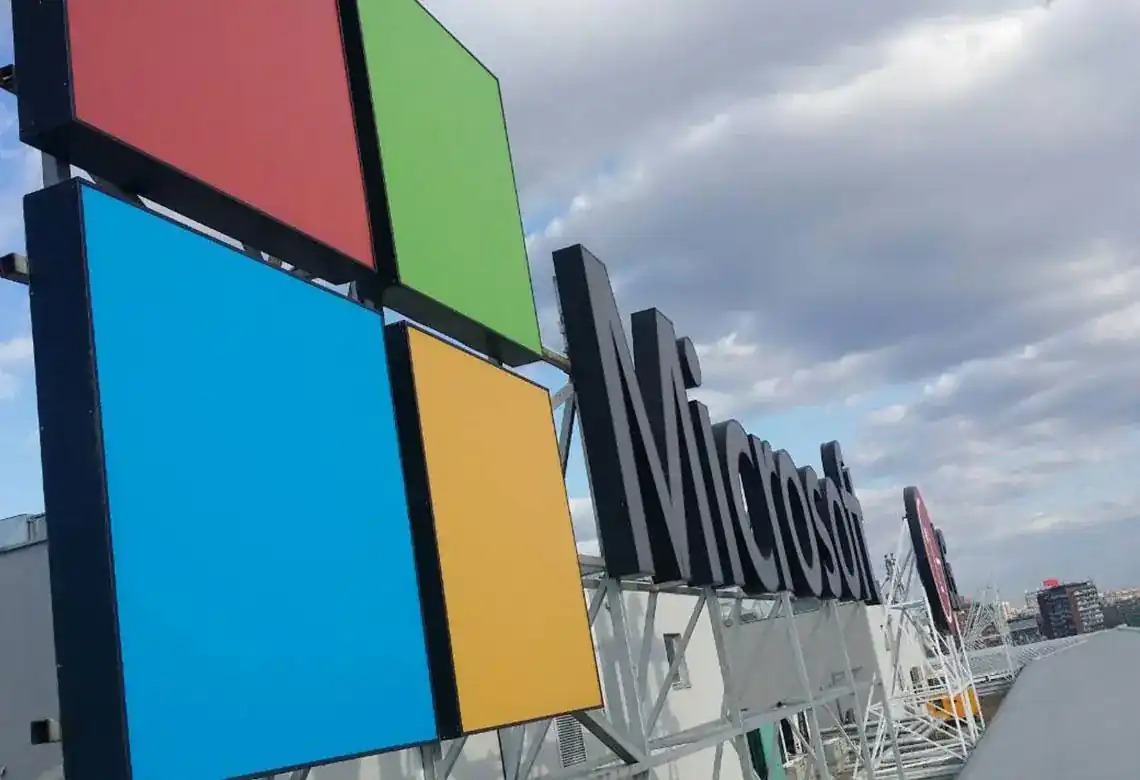
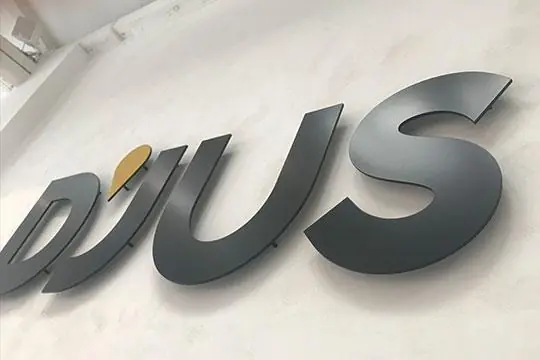
Non-illuminated 3D letters are three-dimensional lettering and logos without integrated light sources. They are manufactured from suitable metal or plastic materials and used where shape, depth, surface finish and architectural integration are important. Unlike LED illuminated letters, they do not require a power supply or electrical wiring inside the lettering.
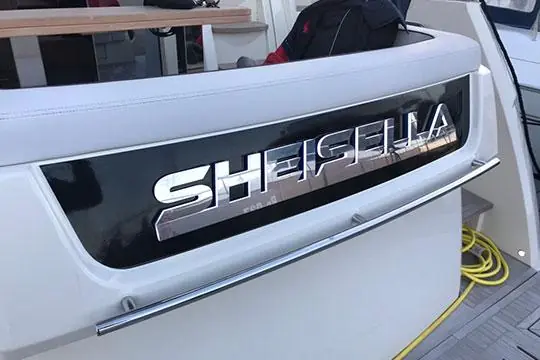
Metaling DOO, Belgrade manufactures non-illuminated 3D letters from aluminium, stainless steel, brass and acrylic to suit the artwork and installation conditions. This type of signage is used on facades, commercial building entrances, reception areas, hotels, restaurants, retail premises and other interiors. Lettering can be finished in colours that match the visual identity or retain a visible metal texture.


Non-Illuminated 3D Letters – Materials and Construction Options
Non-illuminated 3D letters can have separate faces and sides, be made from solid material or combine sheet components. The manufacturing method depends on the logo geometry, required depth, stroke widths and installation location. It is therefore important to distinguish built-up letters from flat-cut metal lettering.
Non-Illuminated Aluminium 3D Letters
Aluminium allows lighter three-dimensional structures and a range of geometric shapes to be manufactured. Letters can have formed sides, metal faces and rear components according to the technical design. The final colour is chosen to suit the design and operating conditions, with options for powder coating or a suitable liquid paint system. The finish depends on the shape, processing method and desired surface appearance.
Stainless Steel 3D Letters
Stainless steel letters are used where a distinct metal surface and a prestigious appearance are desired. They can have brushed, satin or polished finishes, according to the material type and project requirements. Outdoor applications require an appropriate alloy and maintenance suited to weather and corrosion exposure. Material thickness and joining methods are adapted to the letter construction.
Brass 3D Letters
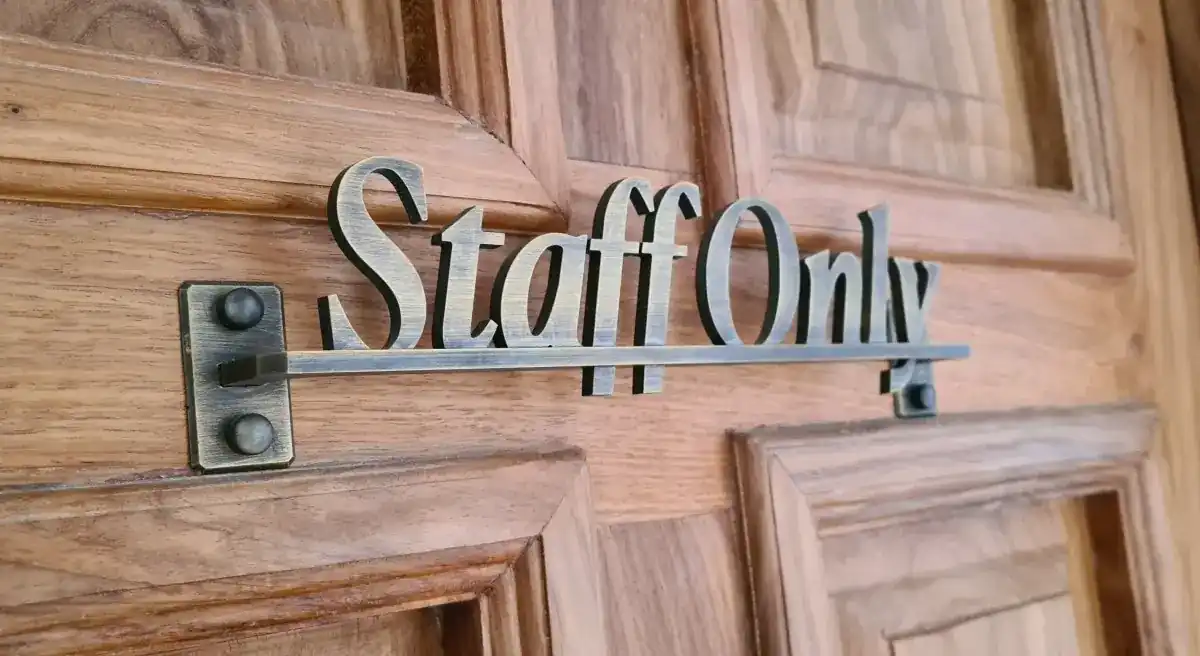
Brass is used for lettering that requires a warm metallic tone and a distinctive decorative effect. Polished, brushed or patinated surfaces can be considered according to the requirements. The appearance of brass can change in use, so the protective finish and maintenance are specified for the installation location. Brass letters are particularly suited to prestigious interiors and buildings with a distinctive architectural identity.
Acrylic 3D Letters
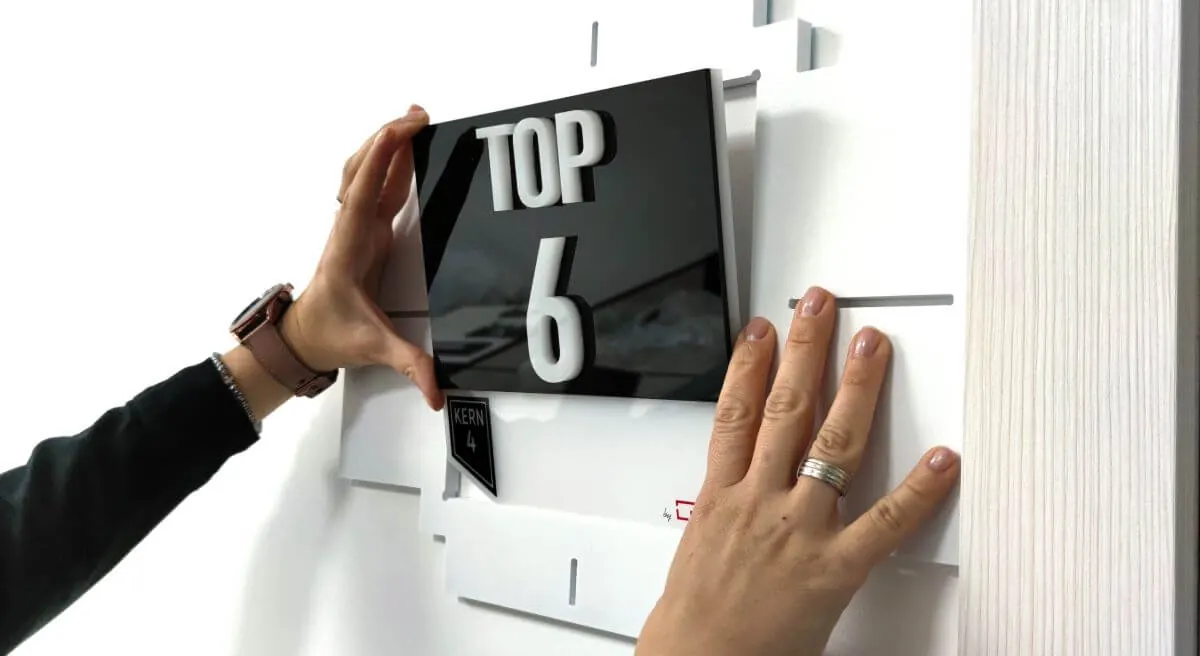
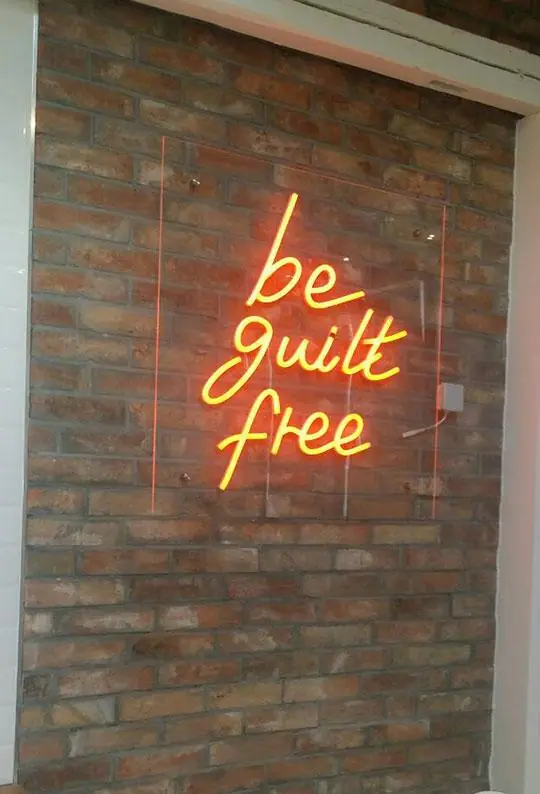
Acrylic 3D letters are made from acrylic material, including opal white and coloured options, according to the available sheet types. They can be solid, layered or formed into three-dimensional shapes to suit the required geometry. These signs are suitable for interiors, commercial premises, reception areas and retail locations without integrated LED lighting.
Surface Finishes and Colours for Metal Letters
The selected finish affects the appearance, resistance and maintenance of the lettering. Aluminium can be powder coated or polyurethane painted where suitable for the construction and project. Colours are chosen from the RAL chart or another approved sample. Stainless steel and brass can receive different mechanical finishes, including brushing and polishing.
Materials that are normally painted should be distinguished from metals whose natural appearance forms part of the design. Not every coating and substrate combination is equally suitable, particularly on facades and where cleaning conditions are demanding. The final appearance should be agreed before production using a colour, texture or appropriate sample.
Dimensions and Technical Feasibility of Non-Illuminated 3D Letters
Letter size and depth depend on the technology: solid or layered letters, flat-cut elements and hollow metal 3D letters have different construction capabilities. Overall dimensions, typeface stroke widths, small openings, depth, weight and substrate type need to be checked before feasibility is determined.
Machining solid sheet may be appropriate for individual thin metal elements, while greater three-dimensional depth generally requires a different structural solution. Minimum and maximum heights therefore cannot be applied unconditionally to every option. The vector lettering and installation position form the basis of the technical assessment.
Applications for Non-Illuminated Letters Indoors and on Facades
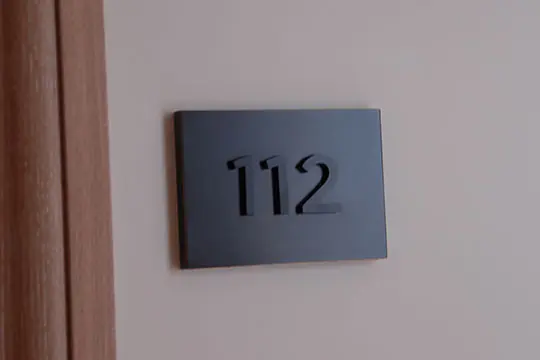
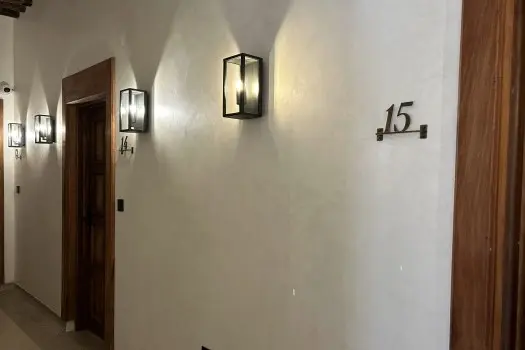
Indoors, non-illuminated lettering is used for reception logos, room identification, tenant identification, meeting room signs and decorative elements. On facades, it can form part of a building's architectural identity where discreet lettering is desired or electrical wiring for an illuminated sign is not planned.
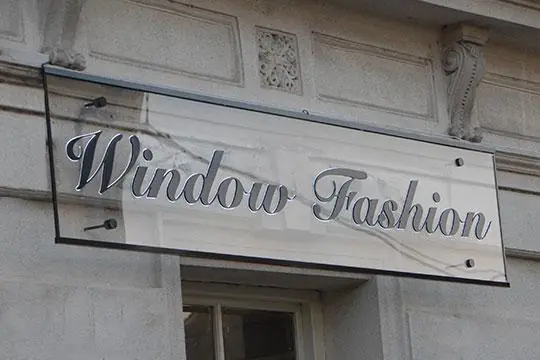
On protected heritage buildings, the sign type, construction and fixing method must comply with the specific requirements of the relevant authorities. A non-illuminated design does not in itself mean that installation is automatically permitted. Technical documentation and the method of intervention on the existing substrate are particularly important for these locations.
External Lighting for Non-Illuminated 3D Letters
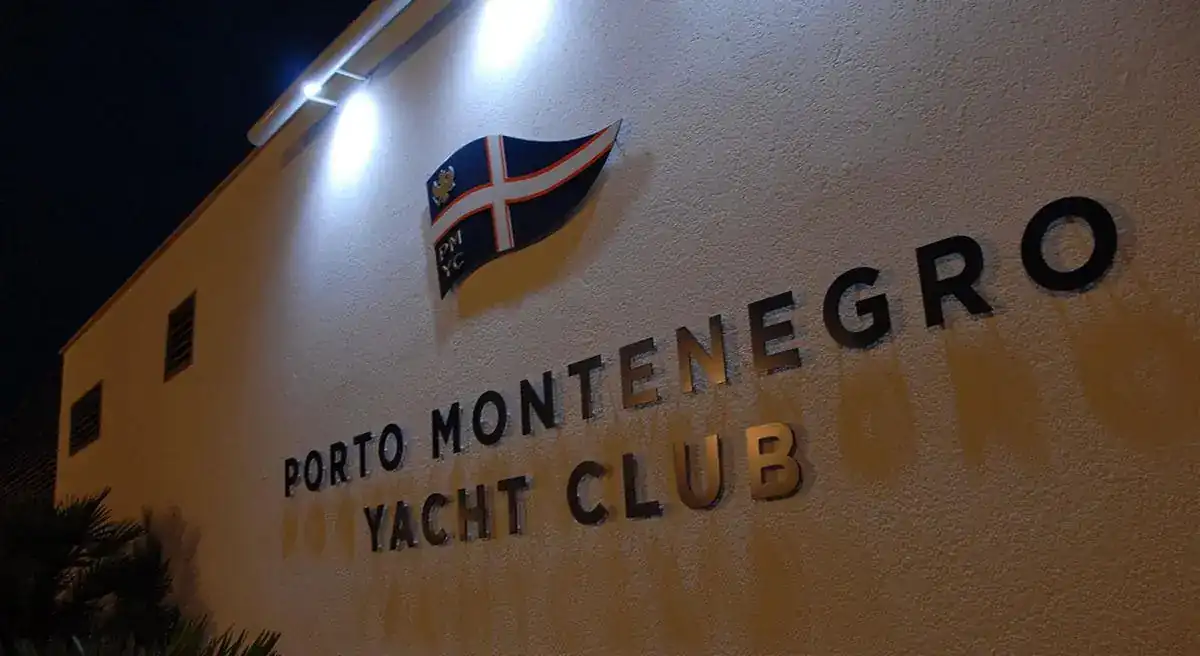
Where needed, lettering without integrated lighting can be illuminated using external LED floodlights or decorative luminaires. In that case, lighting is a separate system and the letters still have no integrated LED modules. The project defines the light positions, lighting direction, potential glare and night-time visibility of the lettering.
External lighting should be coordinated with the building architecture, planned wiring and maintenance conditions. It is not always necessary or justified: the choice depends on the setting and actual visibility requirements.
Installing Non-Illuminated 3D Letters
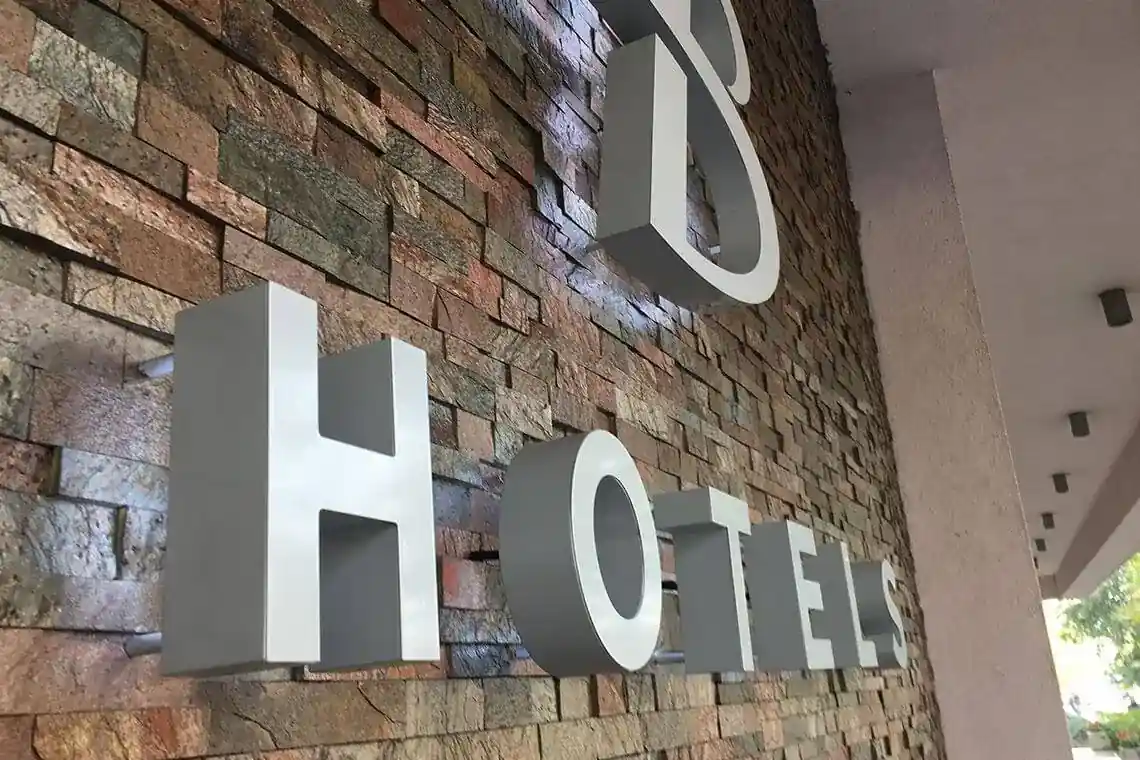
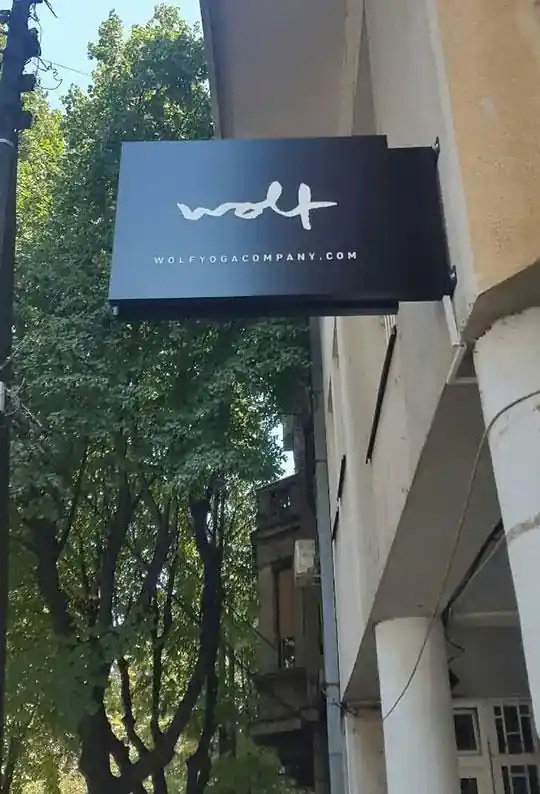
Letters can be fixed directly to a suitable surface or mounted using spacers, brackets or a dedicated supporting framework. The fixing method depends on the letter material, weight, dimensions, wall or facade type and operating conditions. Visible or concealed spacers can also serve a decorative purpose.
Before installation, the substrate characteristics, access to the installation position, any drilling restrictions and working-at-height conditions need to be established. On composite, insulated or ventilated facades, sign fixings must be coordinated with the supporting structure and the building's technical design.
What Determines the Price of Non-Illuminated 3D Signs?
Pricing is calculated for the specific lettering according to the materials, dimensions, technology and installation. Two signs with the same overall width can have significantly different costs if the letter shapes, required depth or surface finishes differ.
- Material: aluminium, PVC, acrylic, stainless steel and brass differ in purchase costs and manufacturing methods.
- Dimensions and depth: large elements use more material, while small details may require more precise machining; complexity is assessed for the specific shape.
- Processing and surface finish: powder coating, polyurethane painting, brushing, satin finishing and polishing have different processing requirements.
- Installation location: interiors, facades, work at height and specially protected buildings require different equipment, preparation and potentially documentation.
- Additional options: spacers, special brackets, decorative details and separate floodlighting affect the total project price.
For an accurate quotation, please provide a vector logo or lettering, the required dimensions and depth, the material if known, quantity, a photograph of the installation location and the building's location. Send a quotation request.
References – Non-Illuminated 3D Letters
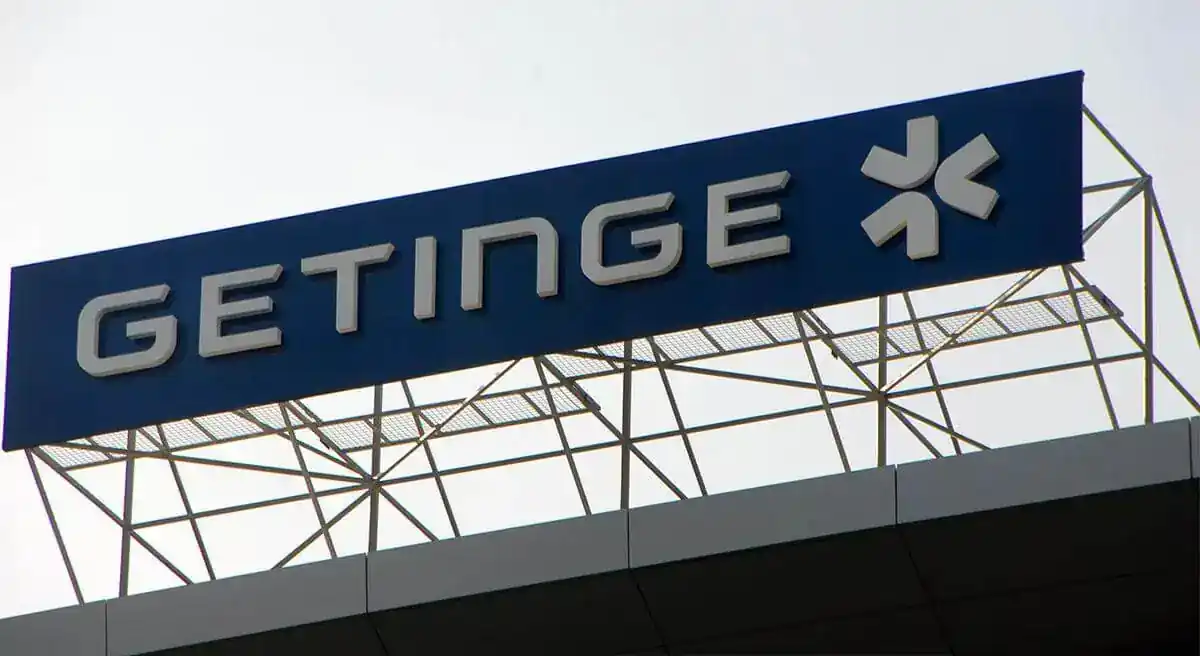
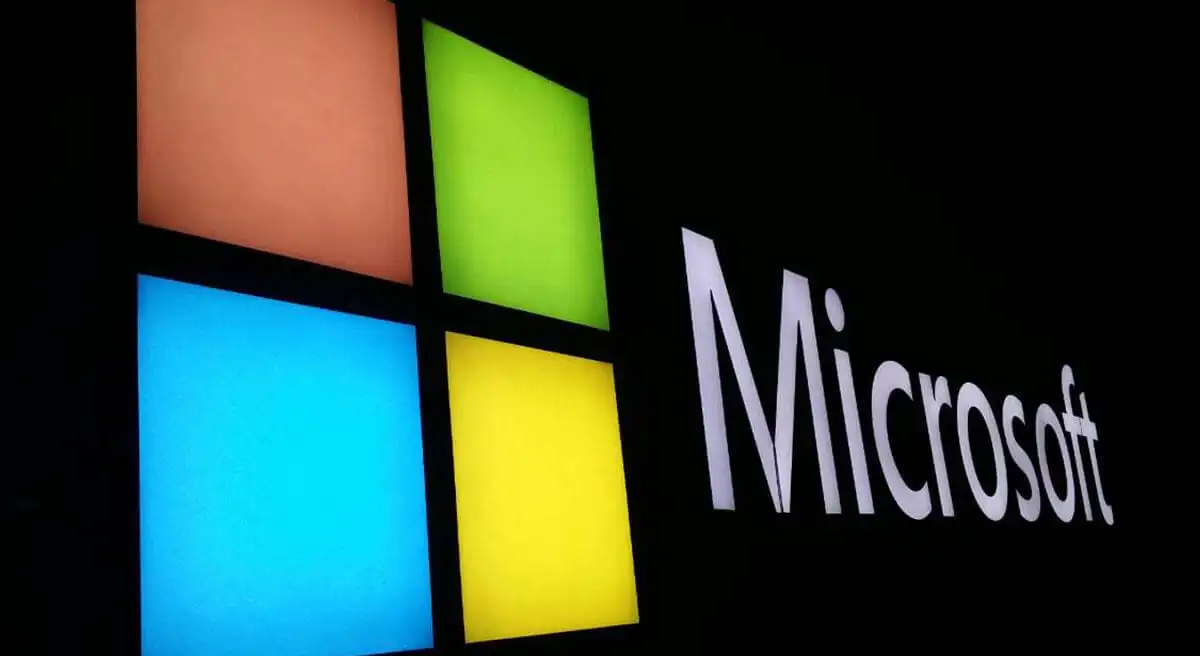
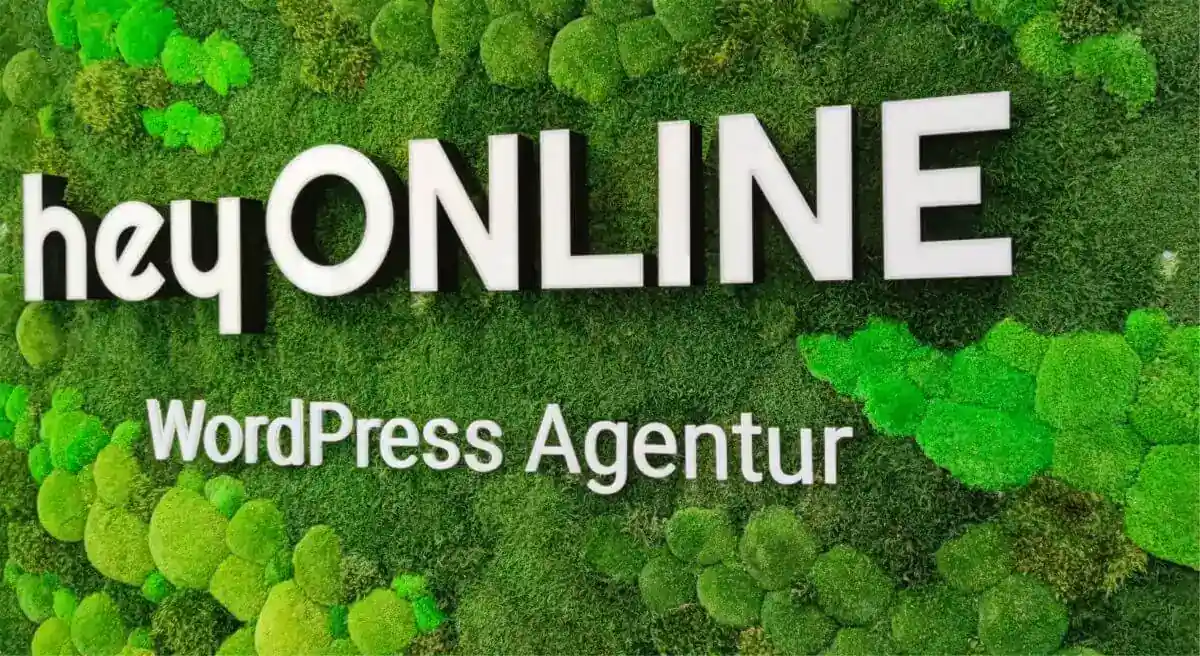
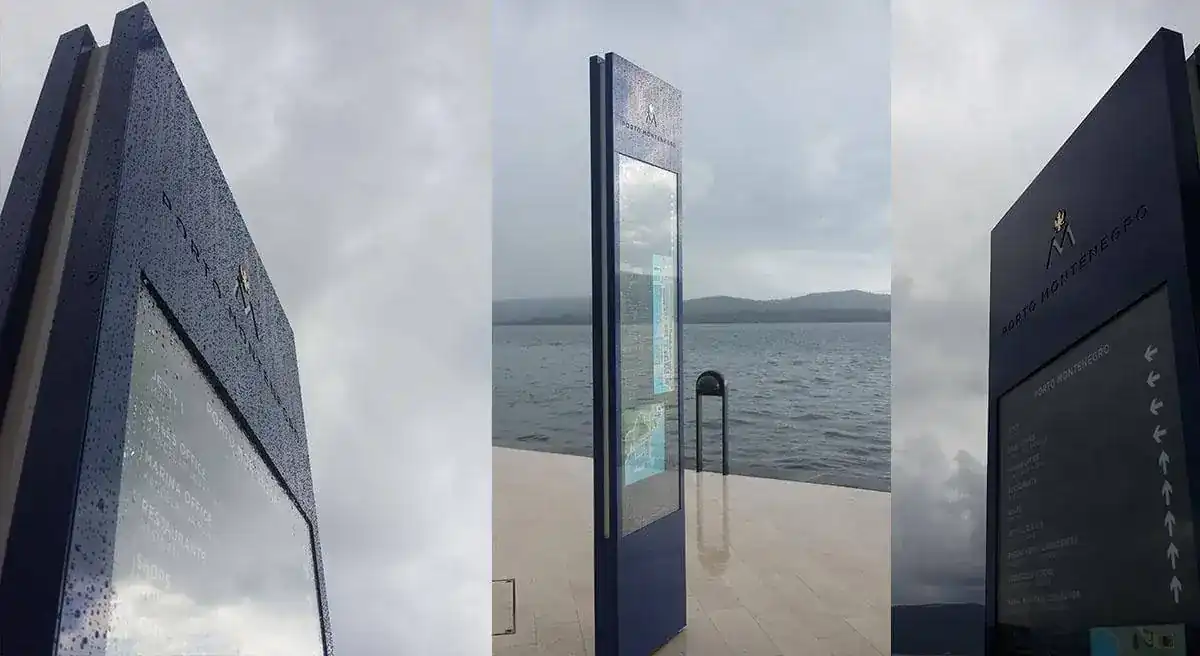
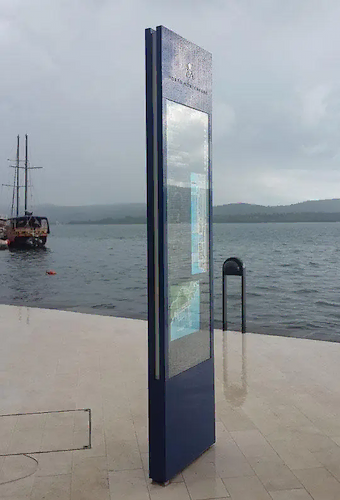
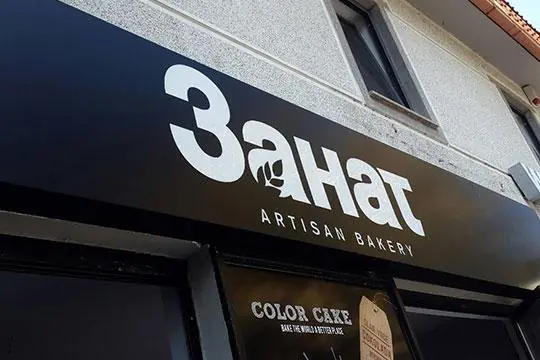
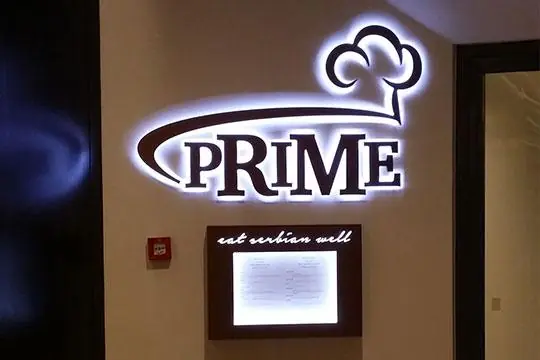
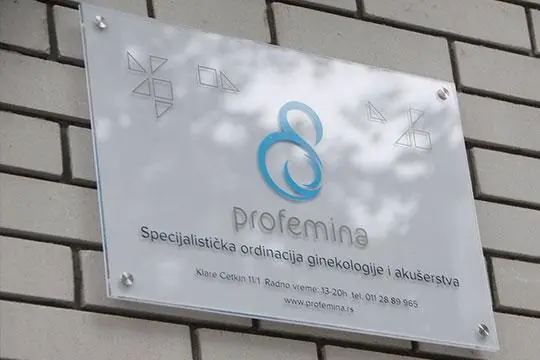
The gallery shows different examples of metal and other non-illuminated lettering, including projects for Porto Montenegro, Triglav, the Gajdobra Cultural Centre, Lajkovac Sports Hall and the Municipality of Despotovac. These examples illustrate the options for forming letters and installing them on different architectural surfaces.
Frequently Asked Questions About Non-Illuminated 3D Letters
What Is the Difference Between Non-Illuminated 3D Letters and Flat-Cut Lettering?
3D letters have a pronounced three-dimensional depth and can be hollow or made from solid material. Flat-cut letters are made from flat sheet, so their depth is primarily determined by the material thickness. The choice depends on the desired appearance, dimensions and installation method.
Can Non-Illuminated 3D Letters Be Installed on a Facade?
Yes, where the construction and installation method are adapted to the specific facade. The cladding material, fixing method, outdoor conditions and any approval requirements need to be checked.
Which Material Should Be Chosen for Metal 3D Letters?
The choice between aluminium, stainless steel and brass depends on the finish, weight, installation conditions and maintenance. Aluminium offers a range of painted finishes, stainless steel a metallic texture, and brass a distinctive decorative effect.
Can Non-Illuminated Letters Be Visible at Night?
Yes. They can be illuminated using external floodlights or other separate luminaires. This differs from LED illuminated letters, where lighting is integrated into the construction.
Related Products and Useful Information
- 3D letters – types and technologies
- Flat-cut metal lettering
- 3D letters with face LED lighting
- Halo-lit 3D letters
- 3M film colour chart
- RAL colour chart
- The benefits of advertising
- How to determine sign size
- A guide to choosing a sign
- Help with sign design


Request a Quotation for Non-Illuminated 3D Letters
Metaling DOO, Belgrade manufactures 3D lettering and logos without integrated lighting to project requirements. Send your artwork, dimensions, selected material and installation site information so that we can propose a suitable construction and prepare a quotation.