











Fabric-Faced 3D Illuminated Letters – Large Formats
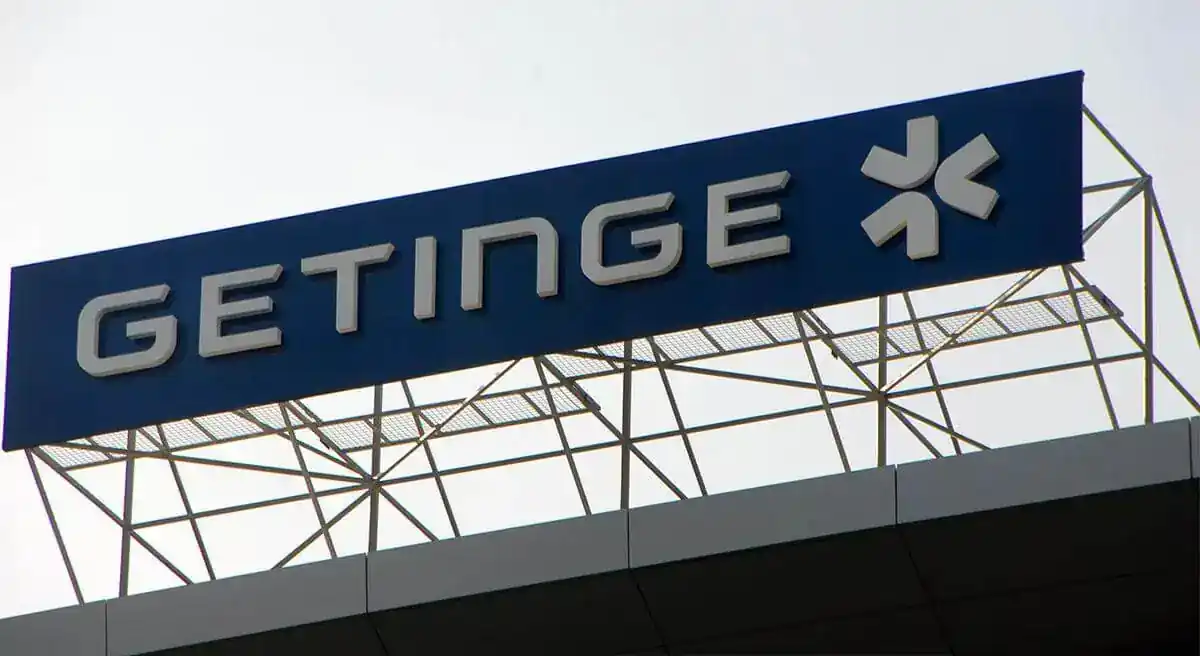
Fabric-faced 3D illuminated letters are a manufacturing technology for large-format illuminated signs, primarily intended for facades, rooftops and commercial buildings where visibility from greater distances is required.
Unlike conventional 3D letters with a rigid acrylic face, this technology uses a tensioned translucent sign fabric for the illuminated front surface. It allows large illuminated faces to be manufactured and can offer a more economical alternative to conventional technologies, depending on the sign's construction and dimensions.
Metaling DOO, Belgrade designs and manufactures large-format 3D illuminated letters with an aluminium space-frame structure, translucent fabric and internal LED lighting. The recommended letter height is 1.2 to 4 metres, with a recommended structural depth of 175 mm.
The dimensions, shape, construction and installation method are adapted to the artwork, building architecture and technical requirements of the project.


Advantages of Fabric-Faced 3D Illuminated Letters
The main advantage of fabric-faced 3D illuminated letters is the ability to manufacture large lettering using a flexible translucent surface in place of a rigid acrylic face.
For large formats, this technology can provide a favourable balance between production costs, sign size and the lighting effect achieved. The final cost-effectiveness depends on the complexity of the structure, lighting and installation conditions.
- Large formats: letters are manufactured in the recommended height range of 1,200 to 4,000 mm.
- A continuous illuminated face: tensioned fabric allows a large face to be formed without joining multiple rigid acrylic sheets across the visible surface.
- Aluminium construction: the supporting structure can be designed to suit the lettering dimensions and shape.
- LED lighting: lighting elements can be arranged according to the geometry and required brightness of the sign.
- Adaptation to the building: the structure is designed according to the sign position, fixing method and installation conditions.
- Servicing: access to electrical components is incorporated into the technical design.
Construction of Large-Format 3D Illuminated Letters
The structure is made from aluminium profiles joined into a three-dimensional space frame. This system allows large sign letters to be formed, supporting elements to be connected and loads to be distributed.
The layout, dimensions and joining methods of the aluminium profiles are determined by the letter shape, overall dimensions and structural stability requirements.
Aluminium Space Frame
The space frame forms the basis of the supporting structure. Aluminium profiles are joined to provide suitable rigidity and space for LED lighting and other required components.
For rooftop signs and signs mounted high on facades, particular consideration is given to wind loads, the sign's own weight, fixing methods and transport and installation requirements.
Side Cladding and Letter Backs
The letter sides are made from aluminium and formed to follow the lettering contours. Depending on the construction, different bending, forming and joining methods can be used for the aluminium components.
The side cladding and rear components are adapted to the supporting structure, installation method and sign finish.
Tensioning the Translucent Fabric
The front face is made from translucent fabric tensioned over a suitable fixing system around the letter contour.
Correct tensioning is important for a uniform surface appearance, fabric stability and its behaviour under temperature changes and weather exposure.
Structural components are positioned behind the illuminated face so that they do not create unwanted visible interruptions across the front of the sign.
3M Panagraphics – Translucent Fabric for Large Signs
For illuminated faces, Metaling uses specialised 3M Panagraphics translucent sign fabric, intended for manufacturing large illuminated sign surfaces.
Materials in this range can be tensioned over a suitable structure and transmit light from inside the sign element. The exact fabric model, graphic application method and compatibility with the lighting system are selected according to the project's technical requirements.
Properties and Durability of 3M Fabric
According to the manufacturer's official information, 3M Panagraphics III is a flexible, vinyl-based translucent material reinforced with polyester mesh, with a smooth front surface.
For this specific model, the manufacturer states an expected durability of up to six years in suitable outdoor applications. The actual period depends on climatic conditions, surface orientation, graphic application, installation and maintenance.
This figure applies to Panagraphics III and is a manufacturer's reference value. It is not a durability guarantee for the complete sign and does not automatically apply to other 3M fabric models.
The aluminium structure, translucent fabric, LED modules and power supplies are separate system components with different technical characteristics and conditions of use.
Official manufacturer documentation: 3M Panagraphics III – properties and technical information.
LED Lighting for Fabric-Faced 3D Letters
LED modules are installed inside the letter structure, behind the translucent fabric. Their layout is adapted to the dimensions, depth and shape of the sign element.
The main aim of the lighting design is to achieve the most uniform light distribution possible across the front face, without pronounced bright spots or dark areas.
Lighting selection takes account of:
- the letter dimensions and shape,
- the recommended structural depth of 175 mm,
- the light transmission of the selected fabric,
- the characteristics and layout of the LED modules,
- the required sign face brightness,
- power supply selection and positioning,
- outdoor or indoor operating conditions.
Different lighting characteristics and control methods can be specified according to the project requirements.
Dimensions and Technical Characteristics
Metaling manufactures fabric-faced 3D illuminated letters primarily for large sign lettering. The recommended production range covers letter heights from 1.2 to 4 metres.
- Minimum recommended letter height: 1,200 mm
- Maximum recommended letter height: 4,000 mm
- Recommended structural depth: 175 mm
- Supporting structure: aluminium space frame
- Sides and rear components: aluminium
- Illuminated face: tensioned translucent fabric
- Lighting: internal LED modules
These dimensions are recommended production parameters; the final construction is defined according to the lettering shape and the building's technical requirements.
Manufacturing Limitations for Large 3D Letters
Feasibility depends on more than the overall height. The letter stroke width, internal openings, contour complexity, depth and the ability to tension the translucent fabric correctly all influence the choice of construction.
Very narrow strokes, sharp corners and complex shapes may require adjustments to the geometry or a different technical solution.
The vector lettering is checked and a suitable construction defined before production.
Applications on Rooftops and Building Facades
Fabric-faced 3D illuminated letters are used to identify commercial buildings, shopping centres, industrial facilities and other locations that require large lettering.
They are particularly worth considering for rooftop signs and signs mounted high on facades, where the lettering size, visibility, supporting structure and installation conditions need to be coordinated.
Preparing the Building for Installation
Before production and installation, the installation location, available supporting structure of the building and fixing options for the sign elements need to be assessed.
For rooftop and facade installations, particular attention is paid to structural stability, wind loads and safe load transfer to the building.
Transporting and Installing Large Letters
The size of the sign elements requires advance planning of transport, site accessibility and suitable installation equipment.
Depending on site conditions, cranes, scaffolding or other specialised equipment may be required.
Learn more about illuminated rooftop signs.
Maintaining Large 3D Illuminated Letters
Maintenance includes periodic checks of the translucent fabric, tensioning system, structural joints, LED lighting and electrical installations.
Maintenance requirements depend on the location, weather exposure, accessibility of the sign elements and characteristics of the installed components.
For signs installed at height, safe servicing access should be planned in advance.
Pricing for Fabric-Faced 3D Illuminated Letters
Large fabric-faced 3D illuminated letters are priced individually according to the dimensions, construction, lettering complexity, lighting system and installation conditions.
For some large formats, this technology can offer a more economical alternative to conventional 3D letters with rigid acrylic faces. However, the final price depends on the overall construction and project requirements.
Factors That Affect the Price
- Letter dimensions: height, width, number of elements and overall lettering area affect material use and production time.
- Structural depth and shape: complex contours, additional reinforcement and special construction solutions affect the amount of work required.
- LED lighting: the type, characteristics and quantity of LED modules, power supplies and any lighting controls affect the price.
- Installation and site accessibility: installation height, building access, supporting structure and required equipment affect the total costs.
- Materials and finish: aluminium profiles, surface protection, fabric selection and graphic application account for part of the production costs.
To prepare a quotation, please provide vector lettering or a logo, the required dimensions, a photograph of the installation location and basic building information.
Frequently Asked Questions About Fabric-Faced 3D Illuminated Letters
What Is the Difference Between Fabric-Faced and Conventional 3D Illuminated Letters?
Fabric-faced 3D letters have an illuminated front surface made from tensioned flexible material. Conventional face-lit letters usually use a rigid acrylic face. The choice depends on the dimensions, shape and construction requirements.
What Are the Recommended Dimensions for Large Fabric-Faced 3D Letters?
Metaling recommends this technology for letters from 1,200 to 4,000 mm high, with a recommended structural depth of 175 mm. The final solution depends on the letter shape and installation conditions.
Can Fabric-Faced Letters Be Installed on a Rooftop?
Yes. This technology can be used for rooftop signs and signs mounted high on facades, with suitable design of the supporting structure, fixings and electrical installations.
How Long Do Fabric-Faced 3D Illuminated Letters Last?
The durability of the sign depends on the structure, selected fabric, LED lighting, power supplies and conditions of use. For the specific Panagraphics III model, 3M states an expected durability of up to six years in suitable outdoor applications. This figure is not a durability guarantee for the complete sign and cannot automatically be applied to other fabric models.
What Is Needed to Prepare a Quotation?
To prepare a quotation, please provide vector lettering or a logo, dimensions, photographs of the building, the installation height and information about the mounting location.

